


Upright Bass Bow article
Upright Bass Bow for Beginners: A Complete Guide
Picking up an upright bass for the first time can feel overwhelming, but choosing the right bow doesn't have to be complicated. This beginner's guide walks you through everything you need to know.
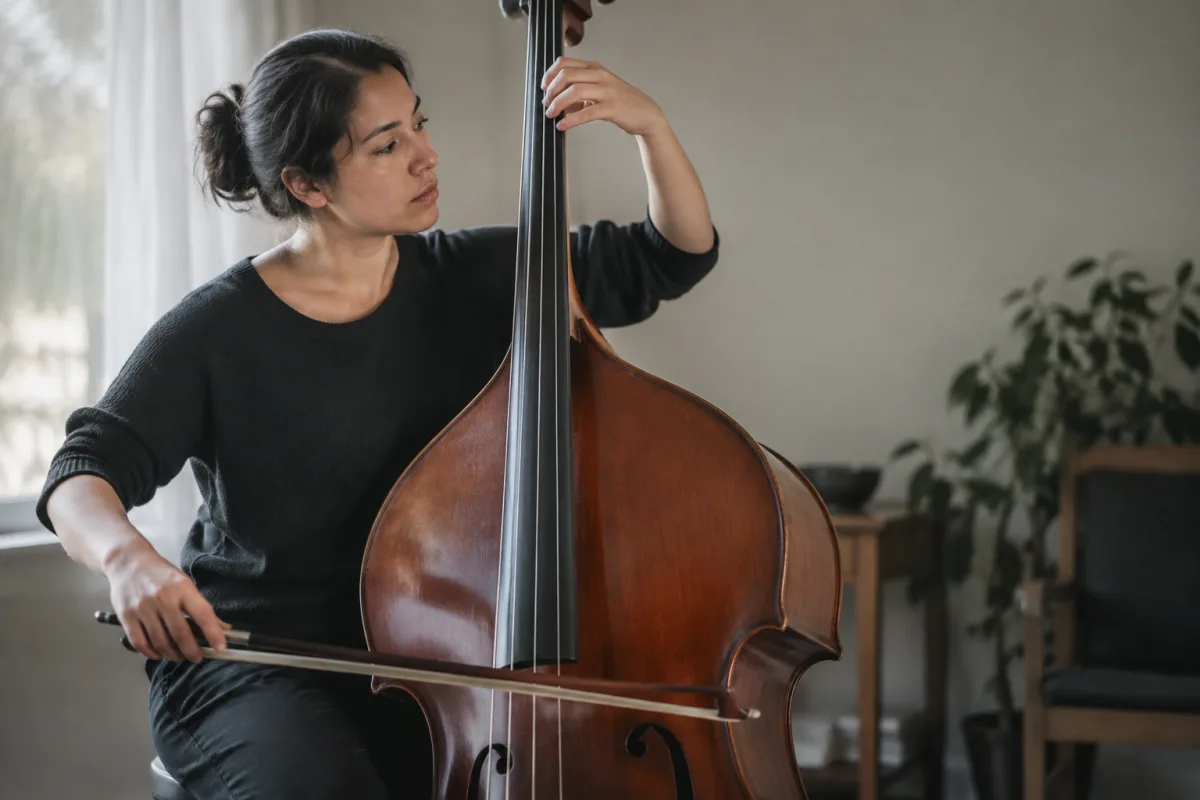
Picking up an upright bass for the first time can feel overwhelming, especially when you're faced with choosing a bow. But here's the good news: finding the right upright bass bow as a beginner doesn't have to be complicated. This guide will walk you through everything you need to know to make a confident choice and start your journey with this magnificent instrument.
Why Your First Bow Matters
Many beginners underestimate the importance of their first upright bass bow. The bow is responsible for about 50% of your instrument's sound, so investing time in understanding bows now will pay dividends throughout your musical journey. A decent beginner upright bass bow doesn't need to be expensive, but it should be functional, comfortable, and capable of producing a warm tone. Don't rush this decision—it's one of the most important purchases you'll make as a new bassist.
Key Features for Beginner Bows
When evaluating an upright bass bow as a beginner, focus on these essential characteristics:
- Balance: The bow should feel evenly weighted throughout, with the balance point roughly in the middle third of the bow. A well-balanced upright bass bow will be less tiring to use during practice sessions.
- Flexibility: Look for moderate flexibility. Too stiff and your tone will be harsh; too flexible and you'll struggle with control. Beginner bows should offer a gentle, forgiving curve.
- Hair quality: Bow hair holds rosin and creates friction on the strings. Horsehair remains the gold standard, though some budget models use synthetic alternatives. Expect to replace the hair every 1-2 years with regular playing.
- Grip comfort: Your hand will spend hours holding this bow, so comfort matters. Traditional wooden grips and modern wrapped grips both work well—it's personal preference.
- Durability: You'll likely drop your bow or handle it roughly while learning. Choose something that can withstand the inevitable bumps of the beginner phase.
Common Beginner Mistakes to Avoid
Knowing what to avoid will save you frustration and money. Many new players make these missteps when selecting their first upright bass bow:
- Buying the cheapest bow available—poor quality leads to frustration and poor tone development
- Choosing an overly stiff or overly flexible bow before developing good technique
- Neglecting bow maintenance, such as regular re-hairing or storing it properly
- Selecting a bow based solely on appearance or brand name without testing it first
- Getting a bow that's too heavy—beginner arms tire quickly and develop bad habits
Price Ranges and What to Expect
Budget considerations are real for beginners. Here's what you can typically expect at different price points for an upright bass bow:
| Price Range | Quality Level | Best For |
|---|---|---|
| £50–£150 | Student/Entry-Level | Absolute beginners testing commitment or young players |
| £150–£400 | Beginner-Intermediate | Most new serious players; good tone, reasonable durability |
| £400–£800 | Intermediate-Advanced | Committed players developing advanced technique |
| £800+ | Professional | Professional musicians and advanced students |
How to Test an Upright Bass Bow
If possible, try before you buy. Here's what to test during a bow trial:
- Hold the bow and feel its weight distribution. Move your grip along the bow to find where it feels most balanced.
- Test it on open strings, listening for clarity and tone quality. A good beginner upright bass bow should produce a rich, warm sound without excessive harshness.
- Try drawing at different speeds and pressures. Does the bow respond smoothly, or does it catch?
- Check the bow hair's responsiveness. Fresh, well-prepared hair should grab the strings without sliding.
- Hold it for several minutes. Your hand should feel comfortable, not strained.
Essential Bow Maintenance for New Players
Your upright bass bow requires basic care to keep it performing well. Establishing good habits now will extend its life and prevent costly repairs:
- Loosen the hair after each session: Tightened hair left overnight can weaken or damage the bow stick.
- Store horizontally or in a bow holder: Never leave the bow in a tight case or leaning against the bass.
- Keep it away from heat and moisture: Extreme conditions can warp the wooden stick.
- Rosin only the hair, not the stick: Excess rosin leads to buildup and poor tone.
- Have it re-haired every 1-2 years: As a beginner practising regularly, expect to need this service sooner rather than later.
Where to Start Your Search
Now that you understand what to look for, where should you begin? Start at a reputable music shop where staff can demonstrate different beginner upright bass bows and let you try several options. If in-person shopping isn't possible, read reviews from other beginner bassists and purchase from retailers with good return policies. Don't hesitate to ask your teacher (if you have one) for recommendations—they've seen countless beginners through this exact decision.
For a deeper exploration of bow characteristics and the full range of options available, check out our complete guide to upright bass bows, which covers advanced considerations and the full spectrum of bows at every price point and skill level.
Your Next Steps
Selecting your first upright bass bow is an exciting milestone. Take time to choose thoughtfully, test when possible, and remember that even a modest beginner upright bass bow can produce beautiful music when paired with good technique. Your investment in a reliable bow now sets the foundation for years of enjoyable playing. Don't be afraid to reach out to experienced players or teachers if you're still unsure—the bass community is wonderfully welcoming to newcomers.


Comments