


Synth Guitar Pedals article
The Complete Guide to Synth Guitar Pedals
Synth guitar pedals transform your guitar into a hybrid synthesiser instrument. Learn how they work, what to look for and how to integrate them into your rig.
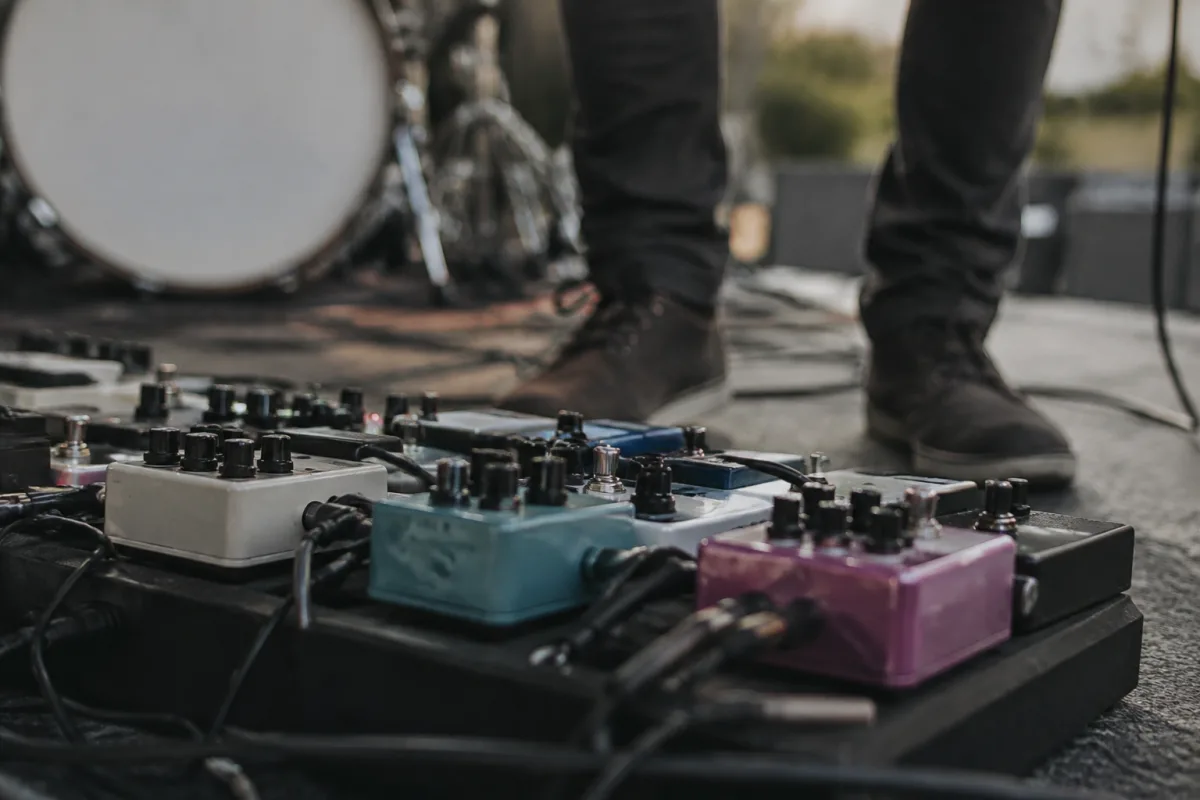
Synthesiser guitar effects represent one of the most exciting frontiers in modern instrument design. These innovative pedals transform electric guitars into sound-design instruments, enabling players to create vast sonic landscapes previously reserved for synthesiser specialists. Whether you're exploring electronic music, experimental composition, or simply seeking to expand your creative palette, understanding synth guitar pedals opens remarkable musical possibilities. This comprehensive guide explores how these pedals work, what makes different types unique, and how to select the ones that match your musical vision.
Understanding Synthesiser Guitar Effects
Traditional guitar pedals shape existing acoustic signals through distortion, modulation or reverb effects. Synthesiser pedals fundamentally change your approach: they analyse incoming guitar signals and generate entirely new sounds based on your playing. This distinction proves crucial—synth guitar pedals don't merely colour your tone; they reinterpret it.
The magic happens through pitch detection technology. Your pedal listens to incoming notes, identifies their pitch and plays synthesiser voices harmonically related to what you're playing. This enables bass lines, chords and melodic synth layers that respond naturally to your guitar technique, creating a hybrid instrument that feels like playing guitar but sounds like synthesiser.
How Synthesiser Pedals Process Your Signal
Pitch Detection and Analysis
The foundation of any synth guitar pedal is its pitch detection algorithm. Modern pedals achieve remarkably accurate detection, even with sustain and distortion. They listen for the fundamental frequency of your playing and identify which note you're playing in real time. Higher-quality detection algorithms handle complex playing styles—legato technique, bending and vibrato—with fewer false triggers.
Synthesiser Voice Architecture
Once your pitch is identified, the pedal routes that information to its synthesiser engine. Most synth guitar pedals offer multiple synthesis methods: simple waveforms, classic synthesiser models, physical modelling and sampled sounds. You control envelope settings, filter characteristics and effects, shaping how synthesiser voices respond to your playing dynamics and technique.
Types of Synth Guitar Pedals
Monophonic Synth Pedals
Monophonic synth guitar pedals produce single notes, following your picking with pitch-perfect synthesiser tones. These excel at bass lines and melodic lines where one note at a time feels appropriate. Monophonic systems offer faster tracking because they're analysing a simpler input—ideal for legato playing, slides and bent notes. Many guitarists find monophonic behaviour more natural and easier to control.
Polyphonic Synth Pedals
Polyphonic synth guitar pedals recognise multiple notes simultaneously, enabling harmonic content. Play a chord progression and hear a synthesiser voice for each note. This revolutionary capability transforms guitar playing—suddenly you can voice chords like a keyboardist whilst maintaining guitar technique. Polyphonic tracking requires more powerful processing and occasionally falters with palm muting or harmonic richness, but modern pedals handle these challenges increasingly well.
Hybrid Approaches
Some advanced units combine monophonic and polyphonic modes or offer switchable tracking. This flexibility enables exploiting strengths of both approaches—use monophonic tracking for fast lead lines and switch to polyphonic for harmonic passages.
Key Features to Compare
Tracking Accuracy and Speed
How quickly and accurately your pedal detects incoming pitches directly impacts playability. Fast tracking means your synthesiser keeps pace with your playing, whilst slow tracking creates noticeable lag that feels frustrating. Test pedals with your actual guitar if possible—tracking varies considerably based on pickup type and playing technique.
Synthesis Engine Quality
What sounds does your pedal offer? Look for units providing diverse textures: classic synthesiser sounds, bass voices, strings, brass and experimental tones. Superior synthesis engines deliver realistic timbre and responsive envelopes. Premium pedals often include sophisticated filters and effects stacking capabilities.
Expression Control Options
Expressive control transforms synth guitar pedals from static effect into dynamic instrument. Integrated expression pedals or MIDI foot controller integration enable real-time parameter control—adjust filter cutoff, volume and other settings whilst playing. This expressiveness proves essential for convincing synthesiser emulation.
Popular Synth Guitar Pedal Options
Vintage Hexaphonic Systems
Classic synthesiser guitar systems required specialised hexaphonic pickups (separate outputs for each string). Modern implementations use standard pickups but require slight technique adjustments. Vintage systems deliver authentic synthesiser sounds and fast tracking but need dedicated installation and often command collector's prices.
Modern Digital Pedals
Contemporary synth guitar pedals use advanced algorithms requiring no special hardware beyond a standard guitar. Brands now offer increasingly sophisticated polyphonic tracking with impressive synthesis capabilities. These pedals integrate cleanly into standard rigs and cost considerably less than legacy systems.
Integrated Platforms
Some modern units combine synthesiser functionality with other effects—ambient processing, reverbs and modulation. These comprehensive platforms sometimes sacrifice specialisation for versatility, but sophisticated musicians value the integrated approach for cohesive soundscapes.
Getting Started with Synthesis
Basic Setup
Most synth guitar pedals accept standard guitar inputs and output audio to amplifiers or interfaces. Some include additional inputs for expression pedals or external CV control. Begin with simple settings: choose a basic synthesiser voice and disable complex modulation. Once comfortable with tracking behaviour, gradually introduce expressiveness and effects.
Playing Technique Adjustments
Synthesiser response differs from traditional guitar playing. Pick clearly and use consistent attack dynamics—this helps pitch detection. Avoid simultaneous fretboard and pick hand noise that confuses tracking algorithms. Experiment with muting and palm technique to discover what your specific pedal responds to.
Creative Applications
Synthesiser guitar effects enable entirely new musical expressions. Layer bass synthesiser voices beneath melodic playing for fuller arrangements. Build harmonic textures with polyphonic voices and spacious reverbs. Create rhythmic sequences using modulation effects. Experimental musicians have barely scratched the surface of what's possible with these tools.
Conclusion
Synth guitar pedals represent a genuine paradigm shift in how guitarists approach sound design and composition. Whether you're a seasoned guitarist expanding into synthesis or a synth enthusiast exploring guitar integration, these pedals offer remarkable creative possibilities. By understanding their underlying technology, comparing key features and committing to learning new playing techniques, you'll unlock instrumental capabilities that seemed impossible just years ago. The intersection of guitar and synthesiser promises exciting musical directions for any adventurous player.


Comments