


Strymon Effects Pedals Buying guide
Strymon Effects Pedals: A Complete Buyer's Guide
Strymon effects pedals deliver premium reverb, delay and modulation algorithms. Discover which models suit your playing style, budget and rig setup.
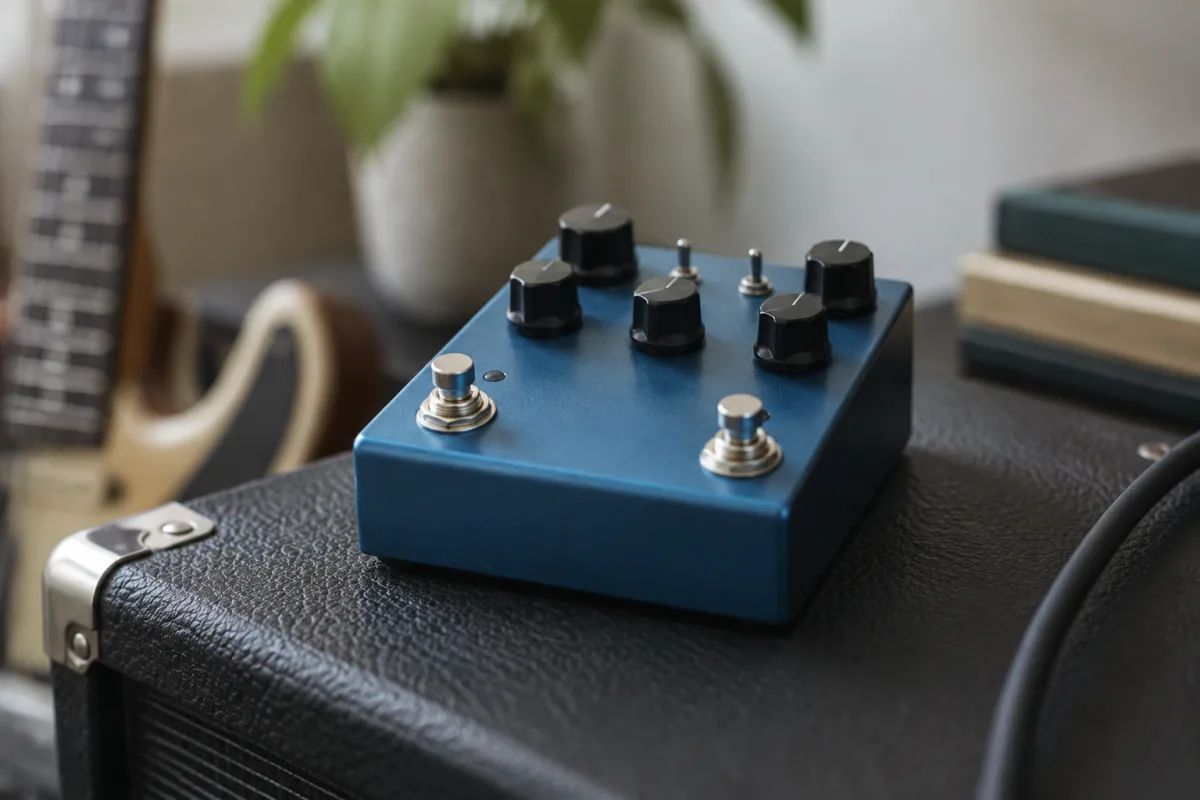
These premium pedals represent the cutting edge of digital stompbox technology, and that innovation comes at a premium price. A single unit can cost £200–£500, putting them far above typical gear budget. But for guitarists who demand algorithmic sophistication, real-time tweakability and studio-grade sound, they're worth the investment. This buying guide walks you through which models solve which problems, when to buy, and how to avoid overspending on features you won't use.
What Makes Strymon Different
The company built their reputation on time-based effects—reverbs, delays, and modulation—and they still dominate this space. Each pedal runs proprietary algorithms, not generic DSP patches; the sound design is meticulous and the controls are intuitive. Because these are premium tools, understanding what you're buying prevents expensive regret.
Their Main Effect Categories
Their pedals group into clear families:
- Reverb — The BigSky (flagship, room-filling reverbs) and BlueBreak (compact reverb) cover most reverb needs. The BigSky is their best seller; it's worth the £400+ ask if you play live reverb-heavy music.
- Delay — The TimeLine (programmable, eight simultaneous delays) and Deco (creative lo-fi delays and tape emulation) suit different players. The TimeLine works for genre-agnostic musicians; the Deco suits indie and experimental genres.
- Modulation — The Mobius handles chorus, flanger, phaser, and tremolo in one compact pedal. Perfect for space-constrained rigs.
- Ambient texture — The Cloudseed (reverb designed for ambient soundscapes) and Comets (parametric reverb with creative rhythmic algorithms) serve noise-making and experimental music.
- Dirt/Distortion — The brand only recently entered overdrive/distortion with the Sunset (multi-algorithm drive). Limited option here compared to reverb/delay, where they're deep.
Key Differences Between Models
Understanding what sets each model apart saves money:
- Algorithm count and complexity — Premium models like the BigSky have 12+ reverb algorithms; entry-level alternatives have 3–5. More algorithms = more sonic territory but steeper learning curve. Ask yourself: will you use 12 reverbs, or do you need 3 excellent ones?
- Footswitch and expression options — The BigSky has three footswitches and can accept an expression pedal; the BlueBreak has one footswitch. Live players need multiple switches for real-time control; bedroom players don't.
- Programmable presets — Higher-tier pedals store 300+ named presets; cheaper models store fewer. If you gig often, presets are essential; casual players won't notice the limitation.
- MIDI compatibility — Premium models support MIDI control and clock sync, letting you integrate with backing tracks and other gear. Critical for touring bands; unnecessary for solo bedroom recording.
- Size and power consumption — Compact pedals like the Mobius fit pedalboards easily; flagship pedals like the BigSky are larger and hungrier for power (they need their own power supply).
Which Pedal for Which Guitarist?
Choosing depends entirely on your playing style and rig setup.
If you play indie rock, alt-rock or any genre where ambient, textured reverb is essential, the BigSky is non-negotiable. Bands like The National and Radiohead have made shimmering reverb their sonic signature; Strymon pedals are how live guitarists achieve that. Budget £400–£450.
If you need multiple effect types on one compact pedal and space is tight, the Mobius (chorus, flanger, phaser, tremolo) is often cheaper (£250–£300) and smaller than buying separate pedals. Trade-off: you can only use one effect at a time.
If you're a session or touring guitarist recording and playing live with different bands, the TimeLine delay with preset storage is essential. You'll build a library of delay sounds for each project. Budget £350–£400.
If you record ambient or experimental music, the Cloudseed is a specialist tool with no real competitor in its price range. It's designed to fill a room with otherworldly texture. Budget £350+.
Budget and Value Propositions
These units are never cheap. Entry-level options (£200–£250) are still premium; mid-range (£250–£400) are typical; flagship rigs (£400+) push into boutique territory. Compare this to Boss or Line 6 equivalents, which cost £150–£250—you're paying 1.5–2x for their algorithms and build quality.
Is that premium justified? Yes, if you:
- Play live and need reliable, gig-grade gear that sounds exceptional.
- Record albums where the reverb and delay tone define the sound.
- Have a specific sonic vision and need granular control over algorithms and parameters.
No, if you:
- Play casual bedroom sessions and don't need pristine reverb.
- Prefer simpler one-knob effects over deep parameter tweaking.
- Are budget-conscious and willing to compromise on sonic finesse.
Common Pitfalls
Don't buy any unit without trying it first. These are intuitive, but the interface takes time to learn. A 10-minute demo in a shop matters far more than reading reviews.
Don't assume you need the flagship. A guitarist spending £450 on a BigSky but never using more than 3 of its 12 algorithms is wasting money. The cheaper BlueBreak (if it covers your needs) is smarter.
Don't ignore the power supply requirement. Flagship models draw significant current and need their own supply, not a daisy-chained adapter. Budget for this separately.
Don't buy multiple units hoping to chain them. While possible, they're designed to be standalone centerpieces. Chains work better with smaller, complementary brands like Boss or MXR.
Resale and Alternatives
These units hold resale value well—typically 60–70% of original price on the secondhand market. This is encouraging, but doesn't justify overspending upfront.
Cheaper alternatives like Boss ME-50, Line 6 Helix, or Zoom G1 offer multi-effects platforms with reverb, delay and modulation at lower cost (£300–£700 for a full processor). Trade-offs: heavier, more menu-diving, less character than these premium pedals.
Making Your Choice
Any unit from this range is a long-term investment if you take your tone seriously. Identify your core need (reverb, delay, modulation, ambient), try the pedal in your rig, and commit if it fits your sonic vision. For detailed information on effect types, algorithm design, and how reverb and delay shape modern music, read our complete guide to Strymon effects pedals. Once you've dialled in your sound, you'll understand why these pedals command their price.


Comments