


Spector Bass Guitar Buying guide
Spector Bass Guitar: A Complete Buyer's Guide
Spector bass guitars are professional instruments with a cult following. This guide compares models across price tiers and helps you choose the right one for your style.
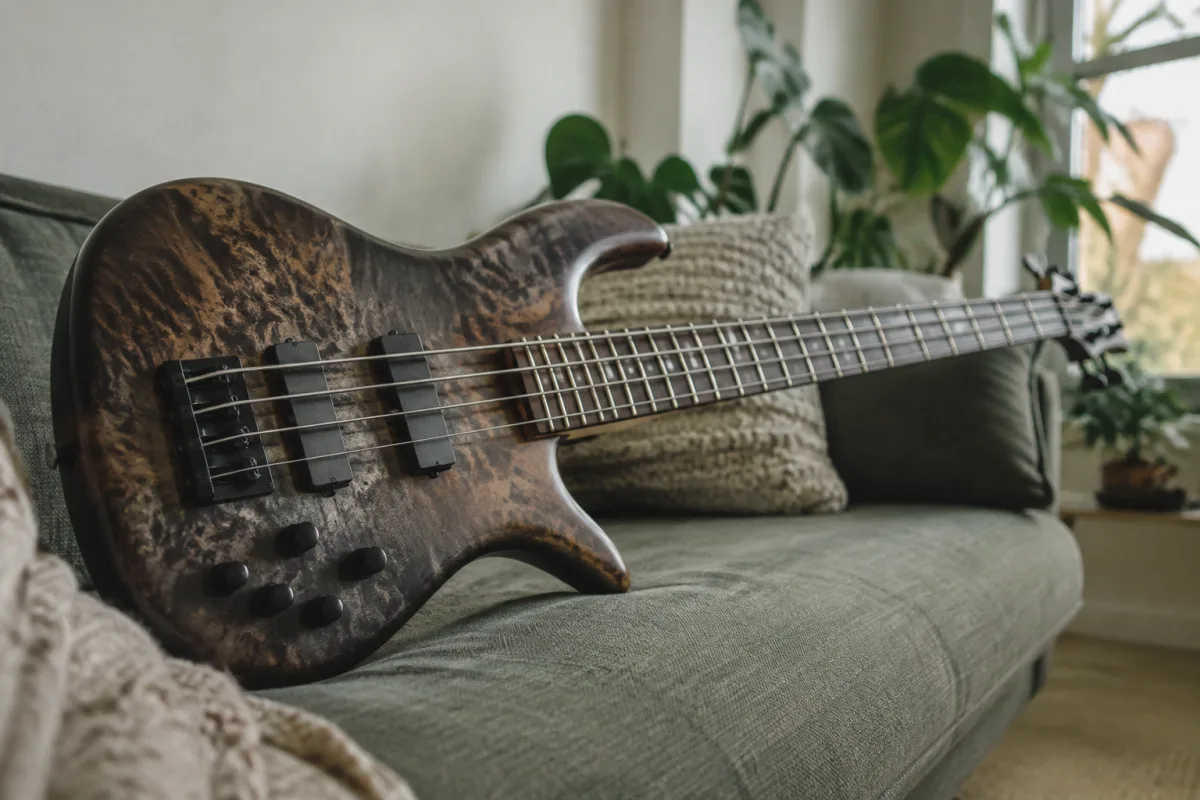
Spector bass guitars have a devoted cult following — the distinctive body shape, the aggressive tone, and the craftsmanship appeal to working bass players worldwide. If you're thinking about buying one, you've probably wondered whether the premium price is justified, what separates one model from another, and whether a Spector is the right choice for your style. This guide cuts through the mystique and covers what actually matters when you're shopping for a Spector.
What Makes Spector Bass Guitars Special?
Founded in 1974 by Stuart Spector, the company built a reputation for meticulous attention to detail, active electronics, and an unmistakable body design. The distinctive "NS" shape — with its sharp bout lines and contoured body — looks aggressive and feels ergonomic. It's become iconic in heavy music, punk, and rock.
Spector pickups and preamps are renowned for clarity and punch. A Spector bass cuts through a mix naturally, especially in a band setting. The build quality is consistently high — even budget Spectors are solid instruments. This consistency is part of why professionals favour them; you know what you're getting.
The Spector Range and Price Tiers
Spector basses span several price ranges, which can be confusing:
- Spector Legend (£500–700): Korean-made, excellent value. They offer 85–90% of the tone and playability of American models at roughly half the price. Many working musicians use Legends as gigging basses.
- Spector Performer (£700–1,000): Higher-quality construction, better electronics, more attention to detail. Still not American-made, but noticeably better than the Legend line.
- Spector USA (£1,500–3,000+): Hand-built in New York, the flagship line. Premium materials, boutique components, and the full Spector pedigree. Reserved for players who gig heavily or want the best.
- Spector Euro (£1,200–1,800): Czech-made, hand-finished alternative to the USA line. Slightly lower price, slightly different tone character.
Specs to Compare Across Models
Pickup configuration: Most Spectors use a split-coil bridge pickup and neck pickup configuration. Some models offer humbucker options. Split-coils are punchier and tighter; humbuckers are warmer. Choose based on the styles you play.
Preamp: Spector's two-band (bass / treble) and three-band (bass / mid / treble) preamps are both excellent. The mid control on three-band models lets you shape presence, useful in a band mix. Single-band preamps are rarer but simpler.
Body wood: Ash is standard and resonant. Maple bodies are heavier but brighter. Walnut or alder bodies appear on some models, adding warmth. The difference is audible but subtle; playability and preamp matter more.
Neck construction: Most Spectors use bolt-on necks. The neck profile is comfortable and fast. Neck-through models (rare and expensive) offer marginally better sustain and resonance, but bolt-ons are perfectly fine for gigging.
Fret size: Medium-jumbo frets are standard on Spectors. They're easy to play and feel modern. If you prefer lower frets with more subtle feel, it's worth noting, though most players adapt quickly.
Tone Characteristics
Spector bass guitars are known for punchy, articulate tone with natural aggression. They're excellent for rock, metal, punk, funk, and anything where you need presence in a mix. The combination of split-coil pickups and the body wood (usually ash) creates brightness and clarity without being thin.
If you play jazz or reggae and prefer a warm, laid-back tone, a Spector might feel aggressive to you — not wrong, just different. Test-play one before committing to ensure the tone suits your style.
Price vs. Value: Which Tier Should You Buy?
For a beginner to intermediate player, a Spector Legend is an excellent choice. At £500–700, it's a real Spector — same body design, same pickup philosophy, same professional build quality. You'll be happy with it for years.
If you gig regularly or play in loud bands, the jump to a Performer (£700–1,000) adds noticeably better electronics and tighter construction. Worth it if you're playing 2–3 gigs a month.
A USA or Euro model makes sense if you're a working professional, if you need the resale value to recover most of your investment, or if you want to own a legitimately handmade instrument. For hobbyists, it's overkill.
Common Pitfalls When Buying
The biggest mistake is overpaying for a used Spector without checking the condition. Spectors hold value well, but a worn fretboard, oxidised electronics, or a cracked pickup can happen. Inspect carefully, ask about service history, and test all electronics before paying.
Another pitfall: assuming all Spectors sound identical. They don't. Body wood, pickup wear, and preamp condition all affect tone. Play the specific bass you're buying, not just the model.
Don't chase the "vintage" Spector premium unless you're buying as an investment. A well-maintained Legend from 2010 is functionally identical to a new one; you're just paying extra for age.
Setup and First Impressions
Spectors arrive in excellent condition from the factory, but a professional setup (£40–60) is still worth doing. A tech will check the neck, adjust the bridge if needed, and optimise the action for your playing style.
Plug it into a decent bass amp — even a 50-watt combo will showcase the tone. The preamp is active (battery-powered), so keep fresh batteries in the bass. Most players change them once yearly or as needed.
Resale and Long-Term Value
Spector basses hold their value exceptionally well. A well-maintained bass recovers 60–75% of your investment if you sell. Legends sometimes appreciate slightly, especially vintage models from the 1990s. This doesn't justify overpaying, but it's worth knowing — Spectors are a safer long-term purchase than budget basses.
Who Should Buy a Spector?
Spectors suit rock, metal, punk, funk, and aggressive styles. If you play genres that value presence and punch, you'll love it. If you're a jazz purist or reggae specialist, a different bass might feel more natural.
For budget-conscious buyers, a Legend is excellent value. For working musicians, a Performer or USA model is worth the investment. For first-time bass buyers, a Legend is a solid long-term purchase — you won't feel limited by it as you progress.
To explore the full Spector range and understand how different models compare, read our comprehensive guide to Spector bass guitars. It covers the brand's history, signature models, and tone across the full lineup.
Choose a Spector that fits your budget and style, get a proper setup, and enjoy the presence it brings to your bass playing. The reputation is well-earned.


Comments