


Semi Hollow Electric Bass Buying guide
Semi Hollow Electric Bass: A Complete Buyer's Guide
A semi hollow electric bass combines sustain with warmth and resonance. This guide covers construction, tone, specs, and how to avoid costly mistakes.
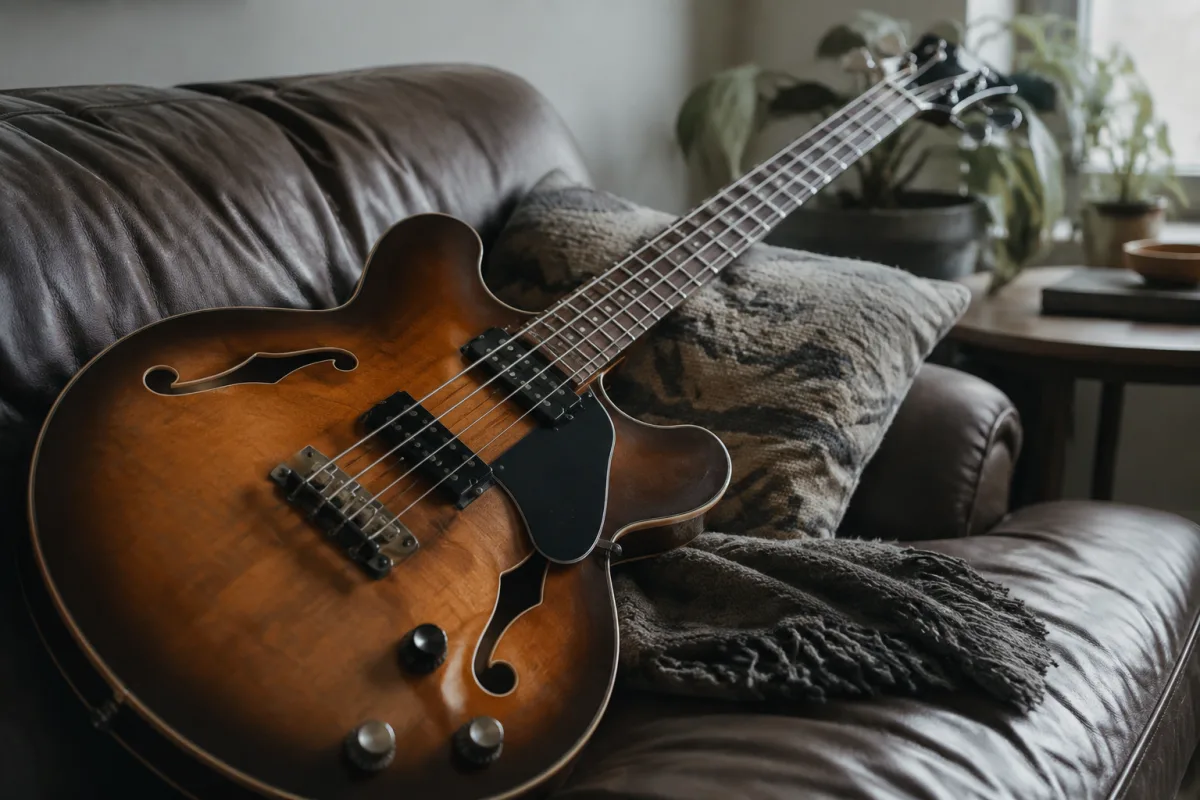
Choosing a semi hollow electric bass is a distinctive decision that separates bass players seeking tonal character from those content with standard solid-body instruments. A semi hollow electric bass combines the sustain and definition of a traditional electric bass with the warmth and resonance of an acoustic chamber, creating a hybrid tone that sits beautifully in almost any musical context. This buying guide walks you through what makes a semi hollow electric bass special, what to listen for, and how to avoid costly mistakes.
Understanding Semi Hollow Electric Bass Construction
The defining feature of a semi hollow electric bass is its body structure: the centre contains a solid block of wood (for structural integrity and electronics mounting), whilst the outer chambers are hollow. This hybrid design does two things acoustic players appreciate. First, it reduces weight compared to a fully solid bass of the same size, making a semi hollow electric bass more comfortable during long rehearsals and gigging. Second, the hollow chambers resonate sympathetically, adding warmth and natural sustain that a solid body cannot replicate.
The electronics in a semi hollow electric bass are identical to a solid-body bass: pickups, tone controls, and an output jack. The difference lies entirely in how the body acoustics colour the signal. A semi hollow electric bass with poorly designed chambers will sound thin and resonant without clarity; a well-engineered design produces a rich, woody fundamental with articulate midrange.
Construction material matters deeply. Higher-quality semi hollow electric bass instruments use tonewoods like mahogany, maple, or walnut for the body; budget instruments use plywood or laminate. Feel the bass in your hands; solid wood is dense and resonant, whilst laminate feels flimsy and sounds accordingly. Tapping the body of a semi hollow electric bass should produce a pleasant, complex sustain, not a flat thud.
Tonal Characteristics of Semi Hollow Electric Bass
Before you buy a semi hollow electric bass, understand the tonal profile you're pursuing. Semi-hollow basses naturally produce more warmth and complexity than solid basses, but they also tend to be less "tight" or "punchy" in extreme low frequencies. If you're playing heavy metal or drop-D-tuned styles requiring thunderous, defined low-end, a solid-body instrument might suit you better. If you're playing jazz, funk, soul, or any style valuing tonal richness over razor-sharp definition, a semi hollow electric bass excels.
Test a semi hollow electric bass through a proper amplifier, never just plugging it into a shop PA. The amp and cabinet colour the instrument's voice as much as the bass does. A semi hollow electric bass plugged into a warm, vintage-voiced amplifier sounds lush and round. The same bass through a bright, modern solid-state amp might sound harsh. Ask the shop if you can take the bass home for a trial period (usually a few days) and test it in your rehearsal space with your actual amplifier.
Key Specifications to Check When Buying
Scale length (usually 34 inches on a semi hollow electric bass, sometimes 35 on larger instruments) determines string spacing and playability. A shorter scale feels cramped for larger-handed players; a longer scale demands finger reach. Most semi hollow electric bass models use standard 34-inch scale, but confirm the dimensions fit your body and hands.
Neck construction is critical. A semi hollow electric bass with a weak neck will develop neck-dive (the headstock pulls down when playing standing up) or fret buzz as the body weight stresses the joint. Check the neck-to-body joint: is it bolted (removable, replaceable) or set (glued, permanent)? Both are fine; bolted joints are easier to repair. Feel the neck's straightness: gently sight down it from the headstock to the body. Visible warping is a red flag, even on an expensive semi hollow electric bass.
Electronics should be clearly documented. What pickups does your semi hollow electric bass carry? Single-coil pickups sound bright and articulate; humbucker pickups sound warm and powerful. Does the bass have a three-way pickup selector switch, volume control, and tone control? Confirm all pots turn smoothly (no scratching) and that the output jack feels solid. A semi hollow electric bass with loose electronics will develop crackling and intermittent signal.
Hardware should be examined. Tuning machines on a semi hollow electric bass should turn smoothly and hold tune. Bridge and saddles should be solid; wobbling saddles indicate poor craftsmanship. Check that the bridge is well-secured to the body and won't shift during playing. Cheap hardware on a semi hollow electric bass can be upgraded later, but it's a hassle. Better to buy a bass with solid hardware from the start.
Price Tiers for Semi Hollow Electric Bass
Entry-level semi hollow electric bass instruments (£300–£600) use laminate bodies, basic pickups, and budget hardware. They can sound decent if well-designed, but longevity is uncertain. These basses are suitable for learners or experimenters who aren't sure about committing to the semi-hollow aesthetic.
Mid-range semi hollow electric bass models (£700–£1200) use solid tonewoods, quality pickups, and reliable hardware. These are the sweet spot for most players: genuine tonal character, durability, and value. A semi hollow electric bass at this price point will serve you well for years, even if played professionally.
Premium semi hollow electric bass instruments (£1300–£2500) feature vintage-inspired design, exotic tonewoods, hand-wound pickups, and meticulous craftsmanship. These are for players who've decided the semi-hollow sound is core to their identity and are willing to invest accordingly.
Boutique semi hollow electric bass basses (£2500+) are custom-made by specialist luthiers. Unless you have a very specific sonic vision or play professionally at high levels, boutique is unnecessary. Mid-range quality is excellent for most players.
Common Buying Mistakes to Avoid
Buying a semi hollow electric bass based solely on appearance is a classic error. A stunningly beautiful bass that sounds thin or plays badly is a decoration, not an instrument. Appearance matters, but tone and playability are paramount. Test the bass before committing, even if it means driving to a distant shop or paying a restocking fee to return it.
Assuming all semi hollow electric bass models sound similar is dangerous. The specific woods, chamber design, pickup choice, and hardware all affect tone. Two semi-hollow basses at the same price can sound utterly different. Play both before deciding.
Ignoring fretboard condition on a used semi hollow electric bass is risky. Frets wear, fretboards crack, and rosewood can dry out. Inspect the fretboard closely under bright light. Visible pitting, deep wear grooves, or cracks mean costly repairs. Unless the price reflects these issues dramatically, walk away.
Buying a semi hollow electric bass without considering your amplifier is short-sighted. A warm, thick semi hollow electric bass through a harsh, bright amp sounds awful. Conversely, a bright semi-hollow through a warm amp sounds lush. Ideally, choose the bass first, then test it through your amp before finalising the purchase.
New versus Used Semi Hollow Electric Bass
Used semi hollow electric bass instruments from reputable brands are often excellent value. Inspect the body for cracks (especially around the edges and f-holes if the bass has them), check the neck for straightness, test all electronics, and listen for dead spots (frequencies that don't ring as long as others). If the bass plays well and sounds good, previous ownership isn't a liability. Vintage semi hollow electric bass models (1960s–1980s) are highly sought; they often sound exceptional and may appreciate in value.
New semi hollow electric bass instruments come with warranty and predictable quality. For first-time buyers or those wanting peace of mind, new is the safer choice.
Playability and Setup Considerations
A new semi hollow electric bass will need setup: bridge height adjustment, truss rod tweaks for neck relief, and intonation adjustment. These are not defects; they're standard. Budget £30–£60 for professional setup. A properly set-up semi hollow electric bass plays worlds better than an out-of-the-box instrument.
Action (string height) on a semi hollow electric bass is personal preference. Jazz players often prefer lower action for speed; rock players sometimes prefer slightly higher action for a punchier tone. Discuss your preferred action with the technician doing the setup. A semi hollow electric bass can be adjusted to your playing style; it's not fixed at purchase.
The Role of Resonance in Your Choice
A key reason to buy a semi hollow electric bass is its natural resonance. Play open strings and listen for sustain—how long the note rings. Play fretted notes and feel the body vibrate slightly against your chest. This resonance is the semi-hollow advantage, and it's either present or absent on any given instrument. If a semi hollow electric bass feels dead and non-resonant, it's a poor design or damaged; keep shopping.
For comprehensive insight into semi-hollow design, historical models, and how this body style compares to other bass types, read our complete guide to semi-hollow electric bass.
Final Thoughts on Buying a Semi Hollow Electric Bass
A semi hollow electric bass is a deliberate choice, not a default. If you're drawn to warmth, character, and acoustic resonance in your bass tone, it's the right instrument. Buy in the mid-range (£700–£1200) for genuine quality, test through your amplifier before committing, and prioritise playability and tone over appearance. With attention to these principles, a semi hollow electric bass will reward you with years of inspiring, beautifully-voiced playing.


Comments