


Semi Acoustic Bass Buying guide
Semi Acoustic Bass: A Complete Buyer's Guide
Discover how to choose the right semi-acoustic bass for your needs. This buying guide covers the specs that matter, essential checks, price tiers, and pitfalls to avoid.
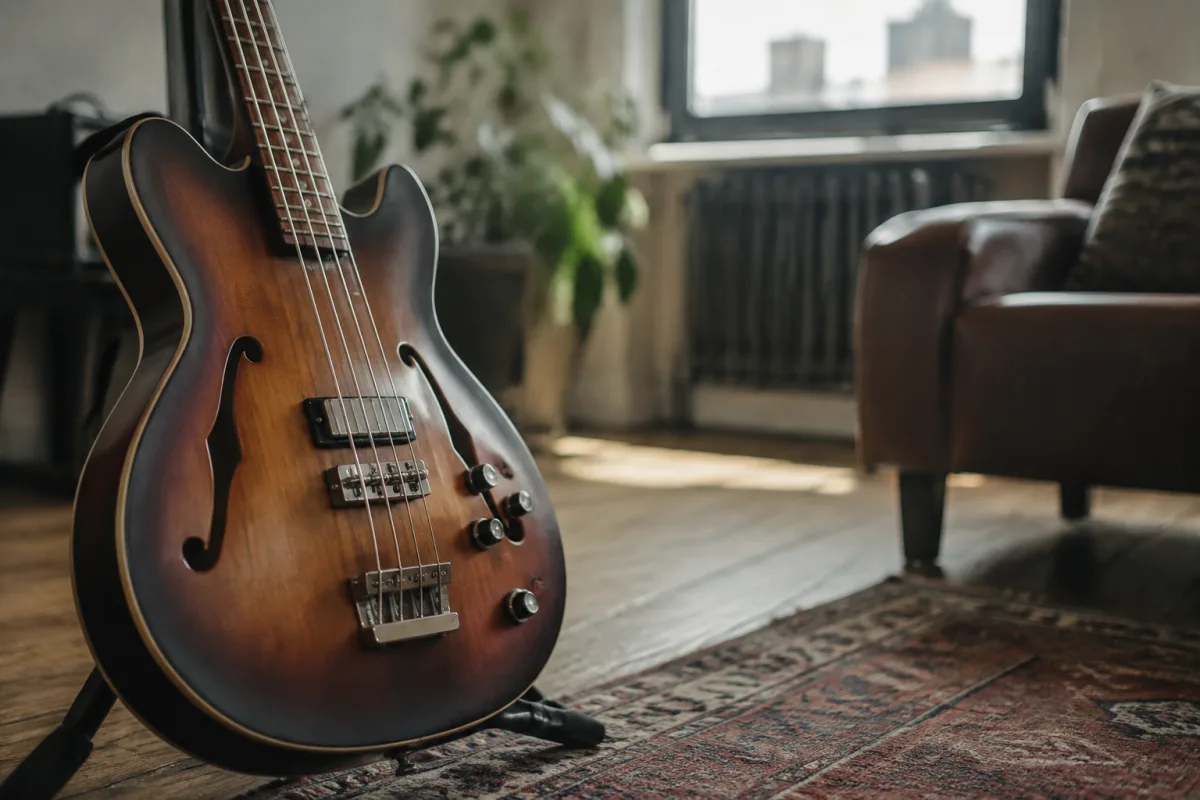
Choosing the right semi-acoustic bass can feel overwhelming with so many options on the market. But knowing what to look for when buying a semi-acoustic bass—the essential specs, what to check, and how to find the right instrument for your budget and playing style—makes the process far simpler. This guide walks you through everything you need to know before you buy.
Understanding Hollow-Body Construction
Before you start shopping, it's worth understanding what makes this type of bass different from solid-body electrics. A semi-acoustic bass has a hollow or semi-hollow body, which means there's an actual chamber inside that resonates. This gives them a warmer, more natural tone than solid-body instruments—especially at lower volumes. These basses sit between a full acoustic bass guitar and an electric bass in terms of volume and character.
The key is that they still need an amplifier to be heard in most playing situations. Unlike a full acoustic, this design uses modern pickups and electronics built in, so you get the tonal warmth without sacrificing amplification options. It's a practical compromise that works brilliantly for recording at home or playing small venues.
Body Size and Comfort
The first practical decision is size. These instruments come in a few standard shapes and sizes, each with trade-offs. A smaller body—typically around 30 to 33 inches in length—will be easier to handle during long rehearsals or gigs, and it's particularly friendly for players with smaller hands or shorter arms. Larger models, around 34 to 36 inches, offer a deeper low end and more resonance, but they require more physical effort to play for extended periods.
When testing an instrument in person, play it standing up and sitting down. One that feels comfortable in both positions is worth noting. Pay attention to the body's depth and weight—thicker bodies resonate more but are heavier, which matters if you're carrying your instrument to gigs regularly.
Pickups and Electronics
The pickup system is crucial when choosing this type of bass. A semi acoustic bass typically features either a single magnetic pickup, dual pickups, or a piezo pickup system. Magnetic pickups (standard on most models) give you a punchy, electric tone that's slightly coloured by the instrument's hollow body. Piezo systems, found on higher-end models, capture the acoustic vibrations more naturally and can sound very woody or acoustic—especially useful if you're aiming for a more traditional tone.
Look for active electronics if you plan to dial in tone shaping on the fly. Active systems typically include a three-band EQ (bass, mid, treble), which gives you far more control than passive electronics. Passive options are simpler and often more affordable, but you get less tone sculpting.
Tone and Sound Character
Different semi-acoustic bass models have different sonic characteristics. An instrument built with a larger body and thicker wood will have a deeper, warmer tone with more sustain. A more compact semi-acoustic bass often has a tighter, punchier response. Think about the genres you play and the tone you're after. Jazz and upright-influenced music often benefits from the warmth of a semi-acoustic bass, whilst funk and rock might lean toward a tighter response.
F-holes (the sound holes on the body) vs. round holes affect resonance slightly. F-holes tend to project sound more directionally, whilst round holes distribute sound more evenly. This is a minor consideration, but worth noting if you're playing to audiences in small rooms.
What to Check Before Buying
Here's a practical checklist for evaluating an instrument in person:
- Neck and action: The instrument should have a straight neck and comfortable action (string height). Too high and you'll develop hand fatigue; too low and you'll get fret buzz. Most necks should allow for strings at around 1.5–2mm on the treble side at the 12th fret.
- Hardware quality: Check that tuning machines turn smoothly and hold tune reliably. Cheap hardware will drift out of tune quickly, especially during a gig.
- Body finish: Inspect the lacquer or finish for cracks, especially around the edges and where the neck meets the body. Small cosmetic marks are fine, but structural cracks can affect tone and resale value.
- Frets: Run your finger down the frets to ensure they're level. High frets can cause buzzing; worn frets will need replacement, which is an expensive repair.
- Electronics test: Plug in and test every knob and switch. All volume controls, tone controls, and pickup selectors should be responsive with no scratching or crackling sounds.
- Playability across the range: Play up and down the neck. Listen for dead spots or fret buzz, especially on the lower frets where the instrument should sound warm and clear.
Budget and Price Tiers
Prices for a semi-acoustic bass vary widely, and knowing what to expect at each price point helps you make a smarter decision.
| Price Range | What to Expect |
|---|---|
| Under £500 | Budget models often have basic pickups and passive electronics. Good for beginners and students, but tone and build quality are modest. |
| £500–£1000 | Mid-range instruments offer decent build quality, reasonable pickups, and sometimes active electronics. A solid choice for gigging musicians. |
| £1000–£2500 | Premium models feature better wood selection, higher-quality pickups (often piezo), and refined electronics. Noticeably better tone and durability. |
| Over £2500 | High-end instruments are hand-crafted or small-batch, with superior materials and exceptional tone. For professionals and serious enthusiasts. |
The sweet spot for players looking to balance tone, build quality, and value is typically the £600–£1200 range. Don't assume that the most expensive option is the right choice—playability and comfort matter far more than price alone.
Common Pitfalls When Buying
Avoid these mistakes when shopping for a semi-acoustic bass:
- Buying without playing it first: An instrument that looks great in photos might feel awful in your hands. Neck width, body weight, and ergonomic details vary significantly between models.
- Ignoring the setup: A poorly set-up instrument—with high action or a warped neck—will discourage you from practising. A good luthier can set things right, but this adds cost.
- Chasing brand names blindly: Premium makers produce excellent instruments, but lesser-known manufacturers often offer comparable quality at lower prices. Research reviews and listen to demos before deciding.
- Overlooking resale value: Some models hold their value better than others. Established brands with good reputation retain value; cheap knockoffs depreciate quickly.
- Forgetting about the amp: The instrument is only half the equation. A quality amplifier and cable are essential. A modest bass through a good amp can sound great; the reverse is never true.
New vs. Used
Buying a used semi-acoustic bass can save you money, but it carries risk. Inspect any used instrument carefully for neck damage, body cracks, and electronic reliability. A well-maintained model from a previous owner can be an excellent deal—sometimes 30–50% cheaper than new. However, one with hidden issues might need expensive repairs that eat up your savings.
Buying new gives you the benefit of a warranty and the certainty that your instrument hasn't been abused. Many retailers offer payment plans, which makes a higher-quality option more accessible.
Setup and Beyond
Once you've purchased your semi-acoustic bass, invest in a proper setup from a qualified technician. A luthier can adjust the neck, action, and bridge to your playing style and comfort—this alone can transform how the instrument feels and sounds. Budget around £50–£150 for a thorough setup, depending on location and how much work is needed.
For more detailed information about semi-acoustic bass guitars and their characteristics, check out our complete semi-acoustic bass guide, which covers the history, types, and detailed specs.
Conclusion
Buying a semi-acoustic bass is about matching an instrument to your needs, budget, and playing style. Focus on comfort, tone character, and build quality—not just brand prestige or price. Play several models, check the electronics and hardware carefully, and don't skip the setup. A well-chosen instrument will reward you with years of reliable, inspiring playing, whether you're recording in your bedroom or playing small gigs.


Comments