


Qsc Amp Buying guide
Qsc Amp: A Complete Buyer's Guide
Shopping for a QSC amp? This buyer's guide covers critical specifications, price ranges, venue-specific needs, and practical considerations for selecting the right amplifier.
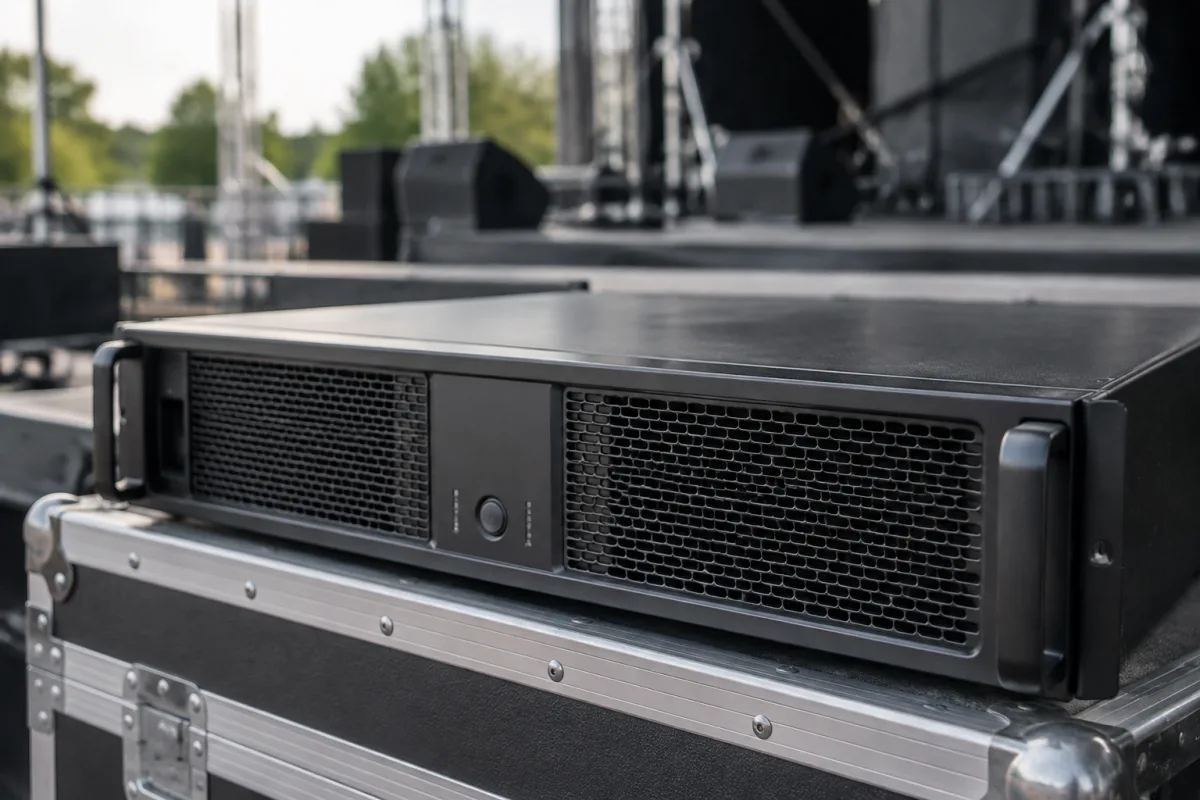
Choosing a QSC amp requires understanding what differentiates models and what actually matters for your specific needs. QSC amplifiers range from compact portable units to powerful professional systems, each serving distinct purposes. This guide helps you navigate the selection process, understand key specifications, and avoid common purchasing mistakes. Whether you're buying a QSC amp for live performance, studio work, or venue sound reinforcement, these practical considerations will guide your decision.
Understanding QSC Amp Categories and Your Requirements
QSC amp models fall into several categories, each designed for different applications. Powered monitors amplify and project sound directly onto performers or audiences without requiring external amplifiers. Compact powered speakers suit smaller venues and portable applications. Full-range systems deliver balanced frequency response across the entire audible spectrum. Subwoofers provide deep bass reinforcement for larger venues.
Before examining specific QSC amp models, identify your actual need. A musician requiring floor monitors for stage use needs different equipment than a venue manager providing main speaker systems. QSC amp categories are purpose-built—buying the wrong category wastes money regardless of how technically impressive individual models are.
Critical Specifications When Buying a QSC Amp
Several specifications matter when evaluating QSC amp models. Power output, measured in watts, indicates how loud the amplifier can play. A 100-watt QSC amp suffices for rehearsal studios and small venues; larger systems require 500+ watts. However, more power doesn't automatically mean better—a 100-watt system positioned well sounds better than a 500-watt system with poor placement.
Frequency response range tells you what pitches the QSC amp reproduces. Look for 40Hz-20kHz minimum; QSC's better models extend below 40Hz and above 20kHz, capturing subtleties cheaper systems miss. Impedance (measured in ohms) determines how the QSC amp connects to other equipment. Standard values are 4, 8, or 16 ohms. Ensure your QSC amp impedance matches your intended connection method.
Signal-to-noise ratio indicates background hum or hiss. Higher ratios (100dB or better) mean cleaner audio. Total harmonic distortion (THD) measures harmonic addition at full volume—lower is better, with QSC amps typically below 1% THD. Weight and dimensions matter if you're transporting your QSC amp regularly.
Price Tiers: What Different Budgets Provide
QSC amp pricing broadly divides into three categories:
- Entry-level QSC amp (£400-800): Compact models, 50-150 watts, suitable for rehearsal spaces and small venues. Solid construction and clean sound, though limited frequency extension and features compared to premium models.
- Mid-range QSC amp (£800-2000): Professional-grade equipment with 200-500 watts, balanced frequency response, multiple inputs, built-in wireless compatibility on some models. The choice for touring musicians and established venues.
- Premium QSC amp (£2000+): Large systems, 1000+ watts, extensive connectivity options, DSP (digital signal processing) for precise sound control, professional installation support. These serve major venues and touring festivals.
Don't assume expensive QSC amp models are objectively superior for your specific need. A £600 mid-range system often satisfies performers and venues better than a £3000 system designed for different applications. Match your budget to actual requirements, not prestige.
Connectivity and Integration Considerations
Examine how the QSC amp connects to your existing gear. Analogue inputs (XLR, 1/4-inch) are standard across all QSC amp models. Digital inputs (USB, optical, Dante) appear on professional systems and suit studio recording. Wireless compatibility (microphone receivers built into some QSC amp models) matters for performers. Multiple input channels let you connect microphones, instruments, and playback systems simultaneously to a single QSC amp.
If you're integrating a QSC amp into an existing sound system, verify compatibility with your mixer, cables, and other equipment. Spending an hour understanding connectivity prevents frustrating incompatibility issues after purchase. Professional retailers provide compatibility consultation—take advantage of their expertise.
New vs Used QSC Amp Considerations
QSC amps hold value reasonably well because of their professional reputation and durability. Used models cost 40-50% less than new equivalents, which is substantial for expensive systems. However, inspect used units carefully. Check for cosmetic damage (dented enclosures reduce durability), test all inputs and outputs, listen for unexpected noise or hum, and verify the unit still operates at rated power.
New QSC amp models come with multi-year warranties, typically 3-5 years depending on the model. This protection matters for professional use—a failed amplifier mid-performance is genuinely problematic. Reputable retailers offer return windows, allowing you to test QSC amp compatibility with your existing setup before commitment.
Venue-Specific Requirements: QSC Amp Selection by Application
Different venues demand different QSC amp specifications. Rehearsal studios benefit from compact QSC amp systems (100-200 watts) with clear sound reproduction and durability. Small clubs require portable mid-range systems (200-400 watts) with multiple input options and balanced frequency response. Large venues need powerful systems (500+ watts) with extensive networking capabilities and professional installation support.
Outdoor events present unique challenges. Wind movement affects sound propagation; weather exposure requires weatherproof QSC amp enclosures or protective covers. Temporary installations need secure mounting points and proper cable management. Understanding your specific venue's characteristics guides QSC amp selection more effectively than general category knowledge.
Common Pitfalls When Buying a QSC Amp
Experienced sound engineers identify predictable mistakes beginners make. First, buying excessive power. A 1000-watt QSC amp for a small rehearsal space creates problems—difficulty controlling volume dynamics, excessive power consumption, unnecessary cost. Second, ignoring connectivity needs. Purchasing a QSC amp without adequate input options forces additional mixer purchases. Third, underestimating weight and portability.
Fourth, neglecting acoustics. A powerful QSC amp in a resonant room sounds worse than a modest system in an acoustically treated space. Fifth, forgetting cables and mounting hardware. Your QSC amp won't work without appropriate cables and stands—budget accordingly. Sixth, buying without trying. If possible, test drive a QSC amp in your actual venue or with your equipment before purchasing. Sound characteristics vary dramatically across different spaces.
Making Your Purchasing Decision
Create a shortlist of 2-3 QSC amp models matching your budget and needs. Read professional reviews focusing on your intended application. Contact QSC directly—their sales team offers technical consultation. Visit retailers, listen to demonstrations, and ask detailed questions about warranty and support.
Consider not just the QSC amp itself but ancillary equipment: cables, stands, covers, extension systems. A complete package approach ensures compatibility and prevents surprises post-purchase. Calculate total cost of ownership including these extras, not just the amplifier price. For comprehensive information about specific QSC amp models and advanced capabilities, detailed resources exist to help you understand product comparisons in depth.
Long-Term Ownership and Maintenance
QSC amps require minimal maintenance but benefit from proper care. Keep intake and exhaust vents clear of dust—blocked vents cause overheating and reduce reliability. Check all cable connections quarterly; loose connections degrade audio quality subtly over time. Store your QSC amp in a dry, climate-controlled environment. Extreme heat or humidity reduces lifespan.
Professional servicing costs money, but many QSC amp issues resolve through simple troubleshooting. Power cycling (turning off and on after a brief pause) resolves temporary software issues. Checking cable connections solves connectivity problems. Understanding basic troubleshooting prevents unnecessary service expenses.
Conclusion: Buying a QSC Amp That Serves Your Needs
Purchasing a QSC amp wisely means understanding your specific venue requirements, choosing appropriate power and frequency response, considering connectivity needs, and resisting the urge to buy excessive specifications you won't use. The best QSC amp is the one that satisfies your particular application—not the most expensive, not the most powerful, but the one that actually works for you. Research thoroughly, listen critically, and you'll invest in equipment that serves you reliably for years.



Comments