


Pro Junior Amp Buying guide
Pro Junior Amp: A Complete Buyer's Guide
Exploring tube amps? This buying guide for the Pro Junior amp covers what matters—from tube health to real-world volume capabilities.
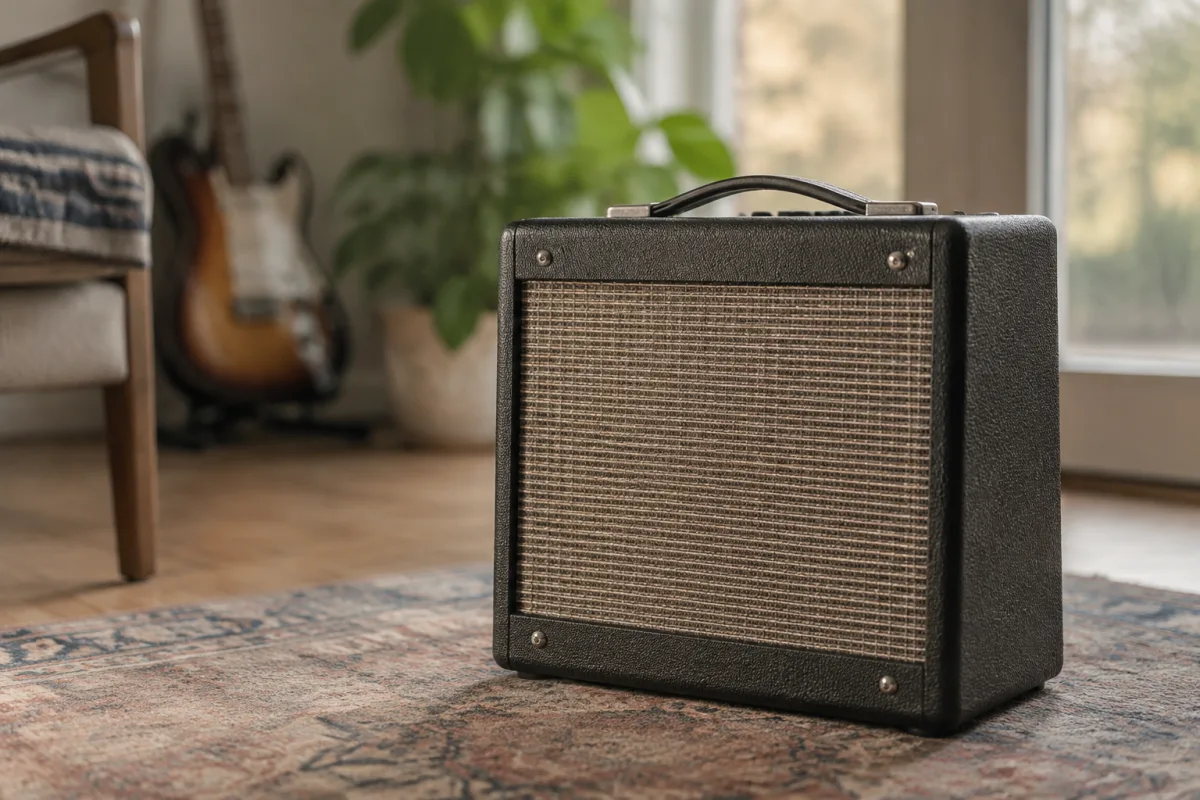
If you've heard the words "tube amp" and wondered what all the fuss was about, the Fender Pro Junior deserves your attention. It's a legendarily compact amplifier that delivers genuine tube tone without the space requirements or expense of larger models. For bedroom players, gigging musicians, and recording engineers, the Pro Junior represents an excellent balance of tone, size, and affordability. This guide walks you through the buying process, showing you what matters when evaluating a Pro Junior amp.
Understanding the Pro Junior: Size, Power, and Capability
The Fender Pro Junior is a 15-watt tube amplifier with one 12-inch speaker. This seems small—and it is—but 15 watts of tube power delivers surprising volume. Many beginners assume they need 50+ watts; in reality, 15 watts is sufficient for rehearsals, live gigs, and recording. At volume levels where neighbours won't complain, a Pro Junior sounds absolutely stunning.
The Pro Junior uses EL84 output tubes (paired) and ECC83 preamp tubes, which produce a warm, compressed tone that responds beautifully to guitar dynamics. Crank the amp, and the natural breakup is organic and musical. Turn it down, and you get clean tones with subtle touch sensitivity. This responsiveness is why tube amps cost more than solid-state alternatives—they simply sound better.
New vs. Used Pro Junior Amps
The Pro Junior has been in production since the mid-1990s with consistent reliability. The used market is robust, offering older versions at 30–50% below new prices. Here's how to decide:
Buy new if: You want factory warranty, peace of mind about condition, consistent electronics, and no hidden issues. New Pro Juniors cost £600–£800. This is reasonable for a quality tube amp.
Buy used if: You're comfortable assessing electronics and want maximum value. Used models range £300–£500 depending on condition and year. Check for tube wear, power transformer health, and speaker condition before purchasing.
Checking Condition and Specs
Whether buying new or used, evaluate these critical elements:
Tubes. The tubes are the heart of the amp. New tubes are £40–£80 per set (output tubes plus preamp tubes). Ask about tube condition when evaluating used amps. Older tubes might still work but sound duller than fresh ones. Budget for tube replacement within the first year or two.
Speaker condition. The 12-inch Fender speaker should have no rips or physical damage. Listen for cone breakup or distortion at volume. A worn speaker dramatically affects tone and might cost £150–£300 to replace.
Power transformer health. If buying used, ask if the amp has been serviced. A professional service (£200–£400) checks internal components and ensures reliability. It's worth the investment for used amps.
Controls and switches. All knobs should turn smoothly without crackling. Switches should click crisply. Crackling indicates dirty potentiometers (£50–£150 to clean or replace).
Exterior condition. Cosmetic wear doesn't affect tone, but check the tolex (covering) for tears or staining. The amp should show no signs of liquid damage or overheating.
Features and Controls to Understand
The Pro Junior is famously simple—no unnecessary complexity. Here's what you're getting:
- Volume and Tone controls: Basic but extremely responsive. The volume controls breakup beautifully as you increase gain.
- Master volume: Allows you to set clean breakup at reasonable levels, then control output volume separately.
- Reverb: Spring reverb adds space and ambience. It's subtle but present.
- Standby switch: Protects tubes during warm-up. Always use standby when powering on/off.
- No effects loop: The Pro Junior doesn't have an effects loop, which matters if you want to run pedals post-reverb. For most players, this isn't an issue.
Power Rating and Real-World Volume
A persistent myth: 15 watts is too quiet. In reality, decibels work logarithmically. A 15-watt tube amp is significantly louder than a 15-watt solid-state amp. A Pro Junior at reasonable volume will satisfy most practice situations and small gigs.
For loud gigs or band rehearsals, you might feel power limitations. However, 15 watts through a quality 12-inch speaker projects remarkably well in live situations. Many gigging musicians use Pro Juniors successfully.
Variations and Model Years
The Pro Junior has remained relatively consistent, but a few variations exist:
Classic Pro Junior (original 1990s design): Simple, straightforward tube amp. Still excellent tone. Older tubes might need replacement.
Pro Junior Reverb (added reverb reverb tank): Enhanced model with spring reverb. Worth seeking if you like ambient effects.
Pro Junior USA (American-made models): Fender recently reissued Pro Juniors made in the USA. These are identical to vintage models in quality but new condition.
All variations are excellent. Avoid anything requiring extensive repair, but generation doesn't matter as much as condition.
Cabinet and Speaker Considerations
The Pro Junior includes a cabinet with a single 12-inch Fender speaker. This is perfect for most purposes. The cabinet is closed-back (doesn't allow sound to escape the rear), which adds thickness to the tone. You can't easily upgrade to an open-back cabinet without modifying the amp.
If you're interested in different speaker tones, Fender speakers are replaceable (though it requires opening the cabinet). A speaker swap costs £150–£300 and changes tone significantly. Creamback or Celestion speakers are popular upgrades. For beginners, the stock speaker is excellent—don't overthink it.
Common Buying Mistakes
Mistake 1: Assuming 15 watts is too quiet without testing first. Visit a shop, crank a Pro Junior, and hear 15 watts of tube power. It's genuinely loud enough for most scenarios. Don't assume based on watt rating.
Mistake 2: Neglecting tube condition on used models. Tubes are the amp's heart. Budget for replacement tubes within the first year. Ask about tube condition explicitly.
Mistake 3: Skipping professional service on vintage models. A £200–£400 service on a 20-year-old Pro Junior is cheaper than repair emergencies later. It's insurance, not expense.
Mistake 4: Expecting more features than the Pro Junior offers. It's simple by design. No effects loop, no reverb pedal input on most models, no XLR output. If you need these, you're looking at the wrong amp.
Mistake 5: Not planning for accessories. Budget for tube bias meter, speaker cable, and possibly a footswitch (£30–£60 used). These aren't included but enhance playability.
Accessories and Add-Ons Worth Considering
A footswitch lets you control reverb on/off without bending down. It costs £30–£50 used or £70–£100 new. Useful if you're playing gigs, unnecessary for practise.
A power attenuator (£150–£300) allows you to reduce output volume without losing tube saturation. If you need cranked tube tone at bedroom volumes, this is essential. Otherwise, skip it.
Your Pro Junior Amp Decision Checklist
- Visit a shop and play a Pro Junior at volume to understand 15-watt capability
- Decide new vs. used based on budget and comfort level
- If buying used, ask about tube condition, power transformer health, and service history
- Check controls, speaker condition, and exterior for damage
- Budget £40–£80 for tube replacement within the first year or two
- Plan for a footswitch (optional) and power attenuator (if needed for bedroom volume)
- Accept its simplicity—the Pro Junior intentionally lacks modern features
Explore the Complete Guide
This guide focuses on the buying decision. For comprehensive information about Pro Junior tone characteristics, modification possibilities, and advanced techniques, see the complete guide to Pro Junior amp.
Genuine Tube Tone Awaits
The Pro Junior amp represents genuine tube tone at an accessible price point. Whether you're exploring tube amplifiers for the first time or adding to an established collection, the Pro Junior delivers musical breakup, responsive tone, and surprising capability. Take time with your decision, test thoroughly, and you'll have an amp that serves you—and sounds incredible—for decades.


Comments