
Pedal Bass Octave article
The Complete Guide to Pedal Bass Octave
Bass octave pedals create powerful harmonic effects that enrich bass tone with additional sonic layers. Modern digital pedals offer excellent tracking for fast, complex bass lines.
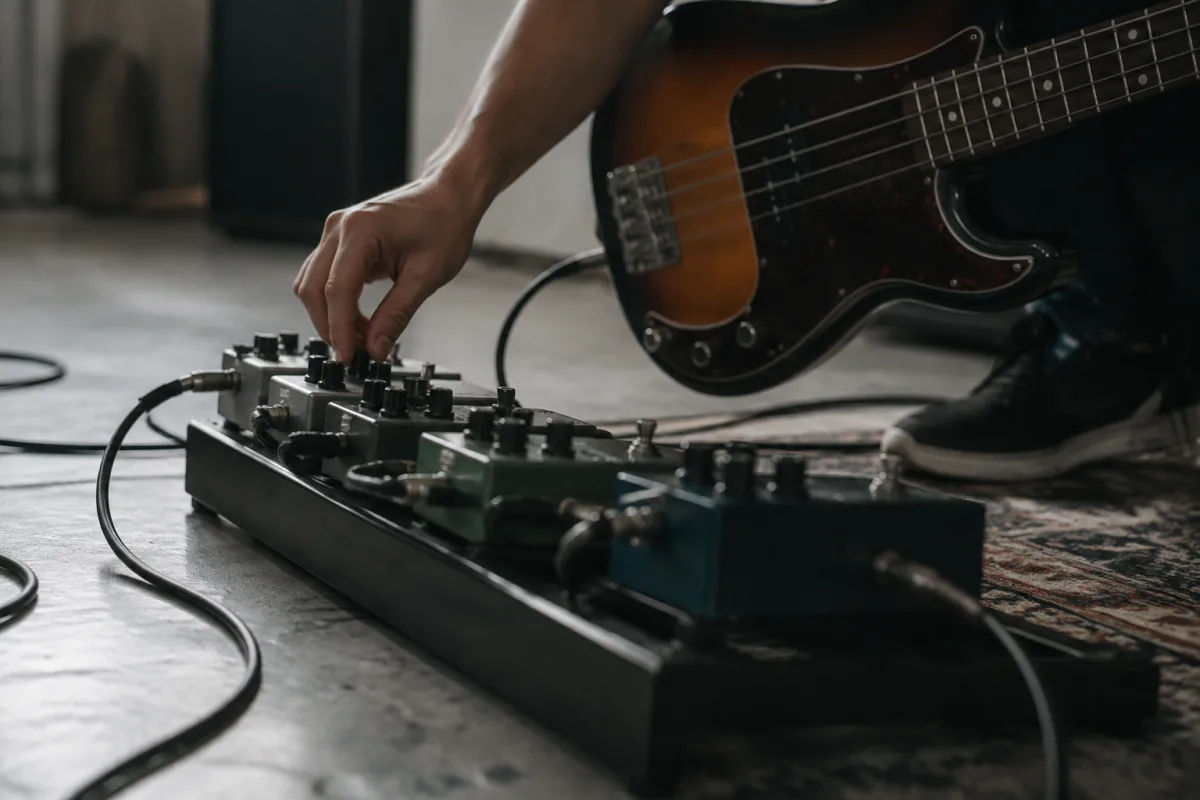
Bass octave pedals expand the sonic palette available to electric bass players, creating powerful harmonic effects that fundamentally reshape bass tone and presence. An octave pedal generates a note one or two octaves below the input note, enriching the bass with additional harmonic content. For modern bass players seeking thicker tone, expanded frequency range or genuinely innovative textural possibilities, a quality pedal bass octave represents an essential addition to any effects arsenal.
Understanding Bass Octave Pedal Technology
A pedal bass octave works by analysing the incoming signal and synthesising additional notes at specific harmonic intervals. Original analogue designs used oscillator circuits to track bass frequencies and generate octave tones. Modern digital pedal bass octave designs employ sophisticated algorithms to detect pitch accurately and generate harmonic content with minimal latency. Understanding these technical foundations helps you appreciate why some pedals excel at tracking fast bass lines whilst others introduce subtle delay or artefacts.
Types of Octave Effects
- Octave down: Generates a note one octave below your input. Most bass players prefer this effect as it thickens the fundamental without harshening the tone.
- Octave up: Creates a note one octave higher. Useful for lead passages or creating unusual tonal textures.
- Sub-octave: Two octaves below the input note. This extreme effect shakes bass cabinets and creates profound, speaker-challenging low end. Use sparingly in band contexts.
- Double octave: Combining multiple octaves simultaneously. Advanced pedal bass octave effects offer both up and down octaves together for complex harmonic layering.
Comparing Bass Octave Pedals
| Pedal Type | Price Range | Tracking Speed | Sound Character | Best For |
|---|---|---|---|---|
| Analogue octave pedals | £100–£250 | Good (single note tracking) | Warm, organic, slightly compressed | Funk, R&B, classic rock |
| Digital octave pedals | £150–£400 | Excellent (fast polyphonic) | Precise, clear, transparent | Modern styles, complex bass lines |
| Multi-effects with octave | £300–£1,000+ | Variable (depends on unit) | Flexible, customisable | Players wanting multiple effects |
| Boutique/premium pedals | £250–£600+ | Excellent | Unique sonic character | Tone-focused players |
Integration with Your Bass Rig
Placement of a pedal bass octave in your effects chain significantly impacts its performance and tone. Most bass players place octave effects early in the chain, before compressors or distortion pedals. This placement ensures the octave pedal tracks the pure bass signal accurately. Running octave effects through overdriven or compressed signals often introduces tracking errors or creates muddier tone. Experimenting with pedal order reveals optimal positioning for your specific rig and musical context.
Practical Applications for Octave Bass Tones
Contemporary bass music employs pedal bass octave effects across numerous styles. Funk players thicken grooving lines with subtle octave layering. Metal and alternative bass players use aggressive sub-octaves to shake venues. Jazz fusion bassists employ octave effects for exploratory solos. Electronic and experimental musicians stretch octave pedals far beyond traditional applications. Hip-hop and R&B producers frequently layer octave-shifted bass samples in backing tracks. The versatility of a quality pedal bass octave means it serves musicians across radically different genres.
Tracking Accuracy and Low-End Response
Quality pedal bass octave pedals prioritise accurate pitch tracking across the entire bass range. Low B strings below traditional tuning demand particularly sophisticated tracking algorithms. Test any octave pedal you're considering with your lowest notes—cheaper models often struggle with sub-100Hz frequencies. Premium pedal bass octave designs handle low-end content flawlessly, maintaining clean tone even on the deepest notes. This tracking accuracy matters most when playing fast, complex bass lines or using aggressive playing techniques.
Combining Octave Pedals with Other Effects
Many professional bass players layer octave effects with other pedals to create their signature sound. Combining a pedal bass octave with distortion creates aggressive, speaker-shaking tones. Octave plus compression smooths tone whilst maintaining thickness. Octave paired with reverb or delay creates spacious, exploratory textures. Understanding how your octave pedal interacts with your entire signal chain opens unlimited creative possibilities.
Conclusion
A quality pedal bass octave fundamentally expands your sonic possibilities as a bass player. Whether you seek subtle harmonic thickening or extreme textural experimentation, the right octave pedal transforms your sound and opens new creative directions. Invest time in testing various options, experiment with placement in your effects chain and discover how octave effects can reshape your musical identity. For modern bass players seeking tone innovation, a pedal bass octave represents one of the most impactful additions to your effects arsenal.



Comments