
Overdrive Guitar Effects Pedal article
The Complete Guide to Overdrive Guitar Effects Pedal
Overdrive pedals transform guitar tone. Discover how to choose, use, and stack them for blues, rock, and beyond.
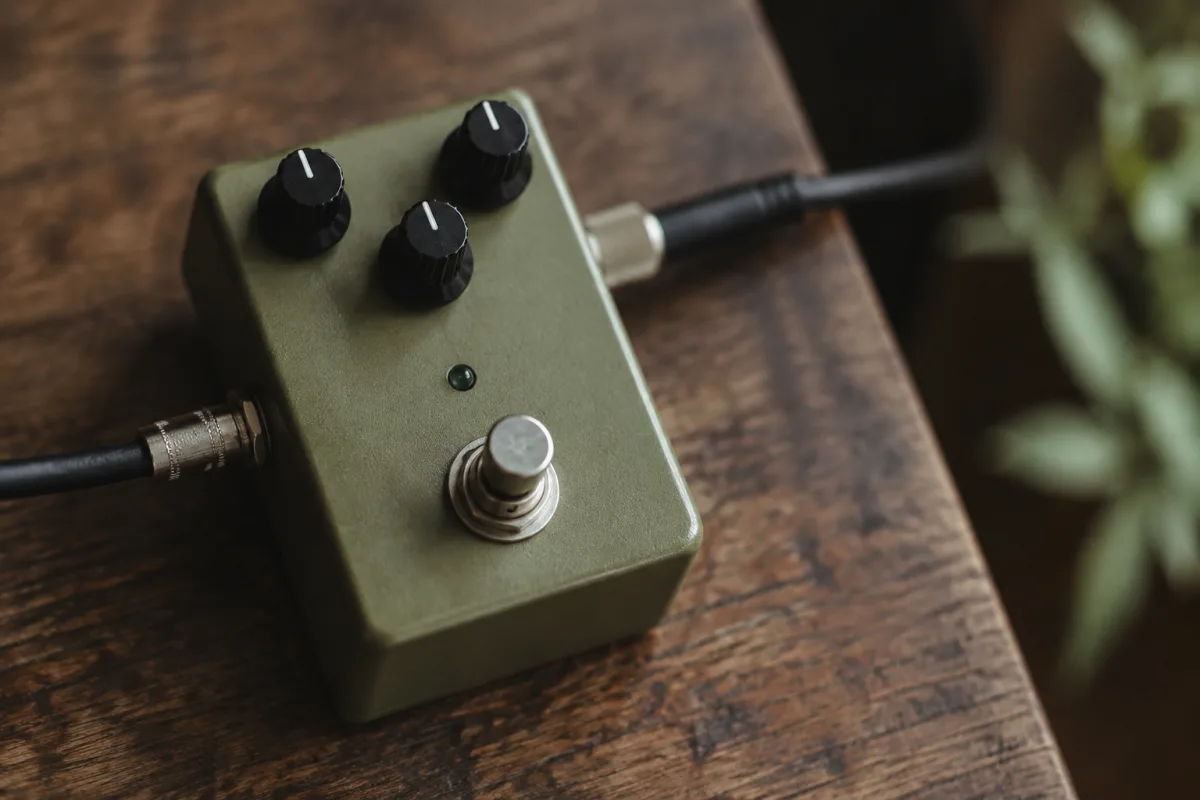
The overdrive effect represents one of the most versatile and essential tools in modern guitar playing. Whether you're a blues musician seeking natural amp warmth or a rock player hunting aggressive tones, an overdrive guitar effects pedal provides the gateway to countless sonic possibilities. Understanding how these pedals work, what types exist, and how to choose one will elevate your tone and expand your creative options.
What Is Overdrive?
Overdrive simulates the natural saturation that occurs when an amplifier is pushed hard. Rather than requiring a powerful amp driven at performance-threatening volumes, an overdrive effect delivers that coveted breakup at any level. The resulting tone maintains note clarity whilst adding harmonic richness and sustain — distinctly different from distortion's more aggressive character.
Historically, blues and rock players discovered that pushing amps beyond their clean range produced desirable tonal warmth. Modern overdrive pedals capture this effect, enabling players to access those classic tones without equipment damage or noise complaints from neighbours and venue managers.
Overdrive vs. Distortion vs. Fuzz
| Effect Type | Character | Best For |
|---|---|---|
| Overdrive | Warm, responsive saturation; controlled aggression | Blues, classic rock, organic tone |
| Distortion | Aggressive saturation; lost note definition | Heavy rock, metal, extreme effects |
| Fuzz | Chaotic saturation; heavily compressed | Experimental, vintage rock, psychedelic |
The key distinction is responsiveness. An overdrive effect responds dynamically to pick attack — strike harder for more aggression, ease off for cleaner tone. Distortion remains aggressive regardless of technique. This dynamic responsiveness makes overdrive the preference for blues and classic rock players who value tonal nuance.
Key Overdrive Pedal Features
Effective overdrive guitar effects pedals feature several essential controls. The gain knob controls saturation intensity. Tone control shapes the character — darker tones suit lead playing, whilst brighter settings work better for rhythm. Level control manages output volume relative to clean tone, essential for maintaining consistent volume when switching effects on and off.
Premium pedals add sophisticated features: mid-range controls, presence circuits, and tone stacking options. These advanced controls enable fine-tuning tonal character to match specific musical contexts and personal preferences.
Types of Overdrive Pedals
Blues-oriented overdrive pedals emphasise natural breakup and dynamic responsiveness. They work exceptionally with clean or slightly driven amp tones, adding warmth without overwhelming the original signal. Classic designs from manufacturers like Ibanez and Boss dominate this category.
Hard rock overdrive effects provide more aggressive saturation, blurring the line between overdrive and distortion. These suit players who want overdriven aggression with maintained clarity and responsiveness.
Transparent overdrive pedals aim to colour tone minimally, adding saturation whilst preserving the guitarist's original character. These work particularly well with vintage tube amps, enhancing natural warmth without imposing a distinct pedal character.
Choosing the Right Overdrive Pedal
Consider your core musical style and amplifier type. Blues and classic rock players gravitate toward traditional topologies like tube screamer designs. Hard rock players favour more aggressive options. Vintage amp users often prefer transparent designs that enhance natural warmth, whilst solid-state amp users may prefer character-driven pedals that add harmonic complexity.
Budget considerations range from affordable entry-level options to premium boutique pedals exceeding £300. Entry-level overdrive effects deliver acceptable results, whilst mid-range options provide superior components and features. Boutique manufacturers offer highly specialised designs for players with specific sonic goals.
Stacking Overdrive Effects
Advanced players often stack multiple overdrive pedals, combining different topologies to create layered effects. A soft overdrive into an aggressive option creates dynamic versatility impossible with a single pedal. This technique requires careful gain staging to prevent excessive saturation or loss of clarity.
Using Overdrive in Different Musical Contexts
In blues, light overdrive enhances natural sustain and warmth whilst maintaining dynamic responsiveness. Rock applications favour moderate saturation adding punch and presence. Lead work often exploits the responsive saturation for aggressive tones maintaining note definition. Rhythm players use subtle settings adding thickness without overwhelming clarity.
The versatility of an overdrive guitar effects pedal makes it invaluable regardless of musical genre. Whether you seek blues warmth or rock aggression, a quality pedal transforms your playing possibilities and tonal palette.



Comments