


Orange Cabinet Buying guide
Orange Cabinet: A Complete Buyer's Guide
Choosing an Orange cabinet means understanding wattage, speaker configurations, construction quality, and impedance. This buying guide covers types, tone characteristics, price tiers, and real-world considerations for rock and bass players.
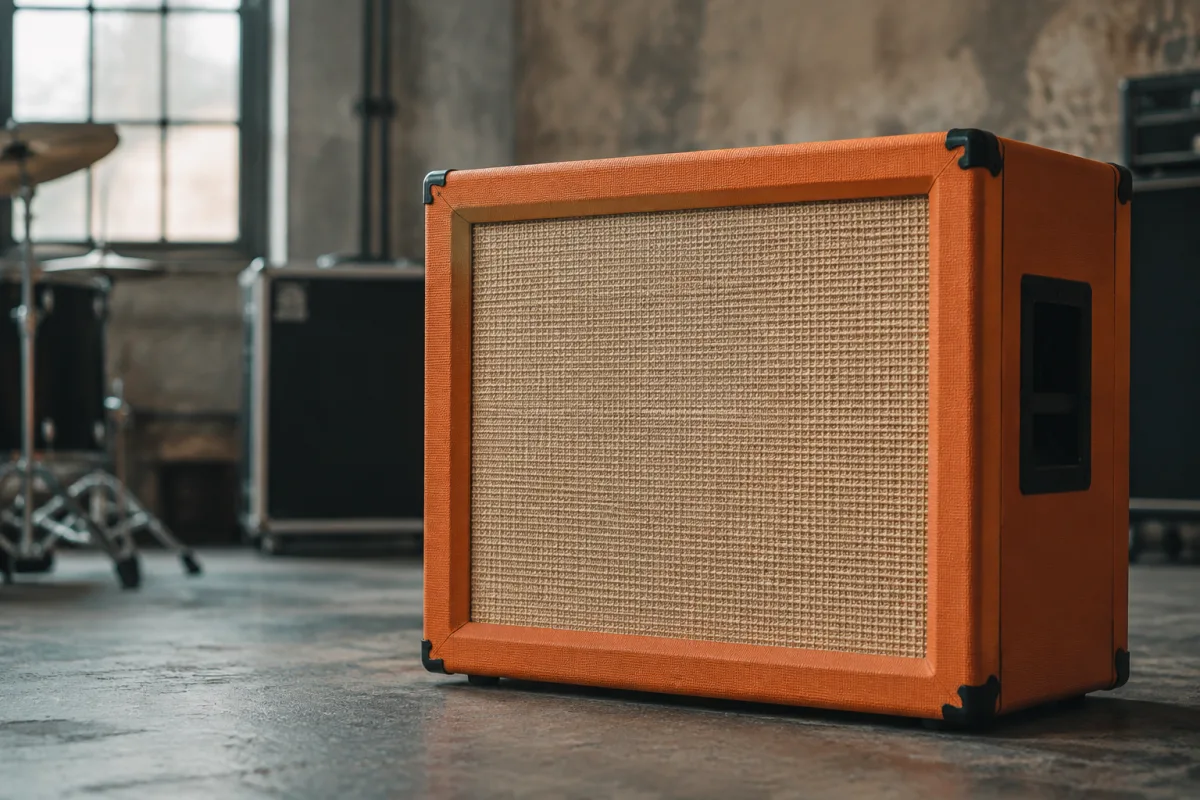
An Orange cabinet sits at the intersection of British engineering reliability and distinctive tonal character. Whether you're upgrading from budget gear or exploring top-tier amplification, choosing the right one means understanding wattage ratings, speaker configurations, cabinet design, and which models match your style and budget. This guide walks you through the essentials so you select a cabinet that delivers the tone you want without overspending on features you won't use.
Understanding Cabinet Types and Configuration
Orange makes several types: 1x12 combos (single speaker, typically 15–35W), 1x15 bass models, 2x12 boxes offering enhanced headroom, and full stacks combining multiple units. Each configuration affects tone, portability, and cost. A 1x12 unit is road-friendly and suitable for smaller venues; a 2x12 fills larger spaces with deeper, richer tone. Your choice depends on venue size, transport capability, and sonic requirements.
Guitar-oriented designs carry different speaker characteristics than bass-oriented ones. Confirm your instrument type before comparing models.
Speaker Size and Tone Character
Speaker size dramatically affects tone. A 12-inch speaker (most common in Orange cabinets) delivers a warm, punchy midrange ideal for rock and blues. A 15-inch speaker adds bass depth but is heavier and less portable. Smaller 10-inch drivers emphasize high-end brightness and are favoured for funk and pop.
The Orange cabinet's speaker quality separates budget models from premium ones. Celestion speakers (standard in many Orange cabinets) are renowned for balanced tone. Budget Orange cabinets may use generic speakers that sound thin or harsh. Invest in an Orange cabinet with quality speakers if tone is your priority.
Wattage Rating and Real-World Implications
An Orange cabinet's wattage rating (15W, 30W, 50W, 100W+) indicates power handling, not volume. Wattage doesn't directly correlate to loudness: a 50W Orange cabinet isn't twice as loud as a 25W model. Real-world volume depends on speaker efficiency, cabinet design, and the amplifier driving it.
For bedroom and small-venue play, a 15–30W Orange cabinet suffices. For clubs and medium venues, 50W is comfortable with headroom. For touring and large venues, 100W+ is standard. Don't assume you need maximum wattage: an underpowered cabinet clean at volume is better than one constantly pushed to the edge and distorting.
Cabinet Construction and Materials
An Orange cabinet's durability depends on build quality. Solid birch plywood is the standard in quality Orange cabinets and resists warping better than MDF or cheap particle board. Check the cabinet's internal bracing—solid bracing minimises panel resonance and tightens tone. Poorly braced cabinets sound wooly and thin.
Weight is worth considering. An Orange cabinet constructed well is heavy (a 2x12 can weigh 40–60 kg). If you gig frequently, transport weight matters. Lighter cabinets often sacrifice construction quality; accept the trade-off if portability is your priority.
Impedance Matching and Amplifier Compatibility
Every Orange cabinet has an impedance rating (typically 8 ohms for guitar, 4 or 8 ohms for bass). Your amplifier's output must match or exceed the cabinet's impedance, or you risk damage. A 50W head designed for 8 ohms into a 4-ohm Orange cabinet can push dangerous power levels. Check your amp's specifications before purchasing a cabinet.
Stacking multiple Orange cabinets lowers total impedance. Running two 8-ohm cabinets in parallel creates a 4-ohm load. Ensure your amplifier supports this before buying a second cabinet.
Price Tiers and Value Proposition
Budget Orange cabinets (£300–£500) offer the brand's reputation and signature look but with simplified internals and basic speakers. They work but lack the tonal refinement of higher tiers. Mid-range models (£500–£900) deliver quality construction, better speakers, and the tonal character Orange is known for. Premium cabinets (£900–£1,500+) feature boutique speakers, custom configurations, and bespoke finishes.
For most players, a mid-range Orange cabinet offers the best value. You get genuine tone and reliability without boutique pricing. Budget models are tempting but often disappoint tonally. Premium models are for recording studios or touring professionals seeking marginal sonic gains.
Common Mistakes When Buying
Don't assume an Orange cabinet requires an Orange head. Third-party amplifiers work fine if impedance matching is correct. However, Orange heads and cabinets are optimised together; pairing Orange electronics often yields superior tone than mixing brands.
Avoid buying secondhand Orange cabinets without inspection. Speaker damage, internal damage from rough transport, or worn internals are costly to repair. If buying used, test it if possible or purchase from a reputable dealer with guarantees.
Don't prioritise aesthetics over tone. An Orange cabinet looks striking, but its appearance shouldn't override sonic requirements. Play through any cabinet before committing, or buy from a shop with a return policy if testing isn't possible.
Acoustic Considerations for Your Space
An Orange cabinet sounds different in your bedroom than in a club. Small, reflective rooms amplify bass and midrange; large open spaces absorb them. If you're buying for bedroom use, a smaller Orange cabinet avoids overwhelming your space. For gigging, bring the cabinet to a venue if possible to test how it sounds in that acoustic environment.
Positioning matters. A cabinet placed against a wall reinforces bass; centre-floor placement offers more balanced tone. This costs nothing but transforms perceived tone significantly.
Supporting Your Choice
To understand Orange cabinets in depth—their history, design philosophy, and how various models differ—read the complete guide to Orange cabinets. That covers the background; this piece focuses purely on the buying decision.
Buying an Orange cabinet is an investment that typically lasts years or decades. Identify your actual needs (bedroom practice vs. gigging), budget realistically (mid-range often offers best value), prioritise tone quality over features, and test before committing. An Orange cabinet purchased thoughtfully becomes a reliable sonic foundation for years to come.


Comments