
Orange Amplifiers article
The Complete Guide to Orange Amplifiers
Orange amplifiers deliver warm, musical valve amplification with British engineering—the choice of professional bass players and guitarists seeking genuine tone character.
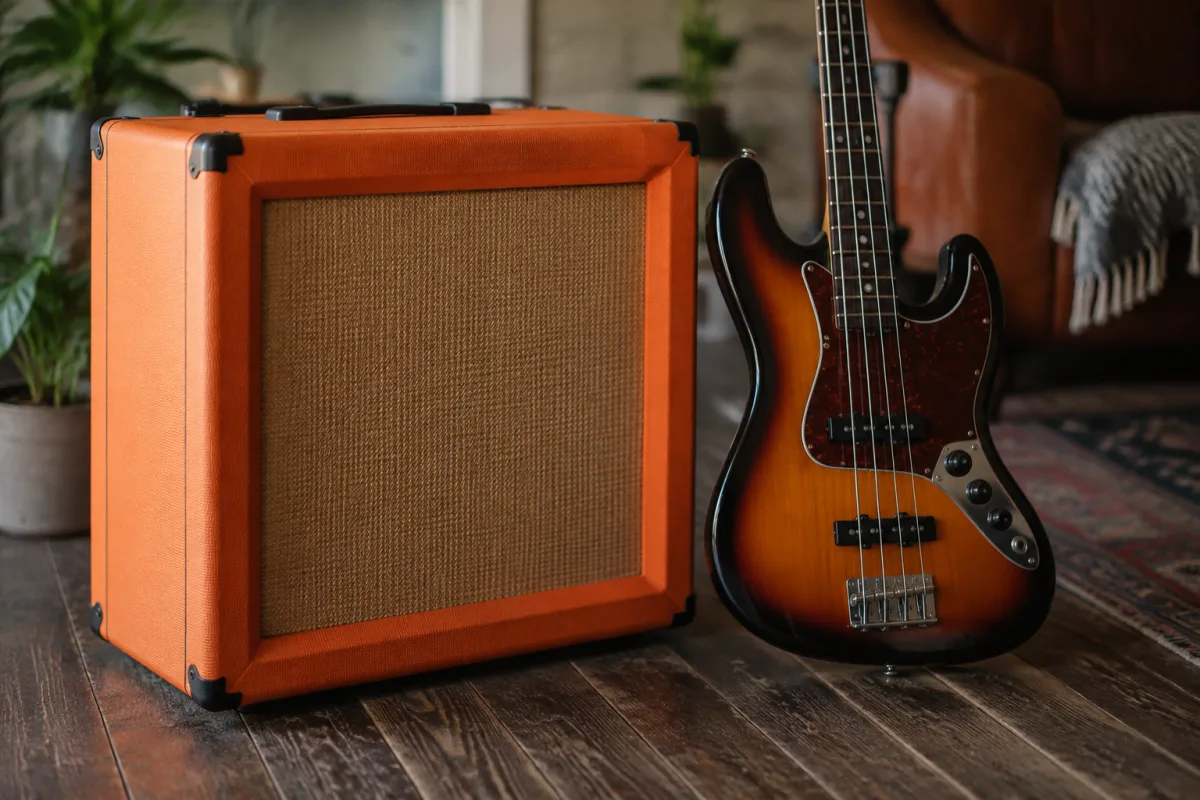
Orange amplifiers have built a devoted following among bass players and guitarists through unwavering commitment to solid engineering, distinctive warm tone character, and British manufacturing heritage. Founded in 1998, Orange has positioned itself as the choice of tone-conscious musicians who value reliability and character over mass-market appeal. Whether you're exploring bass tone sculpting, seeking a guitar amplifier with genuine personality, or building a professional rig, understanding Orange amplifiers' design philosophy and models helps you make a confident choice.
What Define Orange Amplifiers
Orange amplifiers are known for three distinctive characteristics: thermionic (valve) amplification, Class AB output design for warm, saturated tone, and meticulous hand-assembly in the UK. Every Orange amplifier prioritises transparency—the amp colours the signal, but doesn't hide your playing or instrument character. This philosophy appeals to players who want their amp to enhance rather than dominate their sound.
The signature Orange amplifiers tone is warm and punchy with smooth breakup when driven hard. This tonal character suits bass players particularly well; Orange amplifiers cut through a band mix with clarity whilst maintaining fat, organic low-end response. Many professional touring bassists use Orange amplifiers as their primary amplification.
Orange amplifiers also build guitar heads and combos, though the brand is particularly associated with bass amplification. Guitar players drawn to Orange amplifiers often appreciate vintage British amp tones—think Fender and Marshall character but with Orange's own warmth and refinement. Small- and medium-wattage Orange amplifiers excel for classic rock and blues; higher-wattage models serve touring and studio contexts.
Key Features of Orange Amplifiers
Understanding what distinguishes Orange amplifiers helps narrow your choice:
- Valve configuration: Orange amplifiers use EL84, EL34, or 6L6 power tubes depending on the model, each imparting different compression and breakup characteristics. EL84 tubes (found in lower-wattage Orange amplifiers) deliver tight, punchy tone; EL34 tubes (mid-range Orange amplifiers) offer balanced warmth; 6L6 tubes (high-powered Orange amplifiers) provide headroom and clean power.
- Wattage and headroom: Orange amplifiers span 20W to 200W. Lower-wattage Orange amplifiers (20–50W) suit intimate venues and home use; mid-range Orange amplifiers (50–100W) handle standard touring; high-powered Orange amplifiers (100–200W) ensure clean headroom at festival stages or arena-sized venues.
- Output options: Most Orange amplifiers offer switchable output wattage, allowing you to dial down power for studio recording or small venues while preserving valve breakup character. This is a hallmark Orange amplifiers feature.
- EQ and tone-shaping: Orange amplifiers typically include straightforward tone controls without unnecessary complexity. Bass, middle, and treble controls on Orange amplifiers interact warmly rather than surgically, helping maintain the amp's inherent character.
- Build and durability: Orange amplifiers are built to withstand touring. Solid construction, quality components, and conservative power tube biasing (Orange amplifiers run cooler than many rivals) contribute to reliability and longevity.
Orange Amplifiers Model Categories
Orange offers distinct product lines, each serving different players and situations:
| Line | Key Models | Power Range | Primary Users | Character |
|---|---|---|---|---|
| Bass amplifiers (Orange) | Terror, OB1, Pro | 20–500W | Bass players (pro to hobbyist) | Warm, punchy, cuts mix, articulate lows |
| Guitar heads (Orange) | Dark Terror, Jim Root, Rockerverb | 15–120W | Rock, metal, blues guitarists | Driven breakup, sustain, presence |
| Combo amplifiers (Orange) | Crush, Tiny Terror, Dual Dark | 12–50W | Studios, small venues, home practice | Compact, articulate, vintage British feel |
| High-power touring (Orange) | Thunderverb, Dual Rectifier-style | 100–200W | Professional touring bands, festivals | Clean headroom, driven character, projection |
Orange Amplifiers for Bass vs. Guitar
Orange amplifiers excel for bass but perform admirably for guitar. Bass players often prefer Orange amplifiers because the warm, fat tone reproduction suits low frequencies; the switchable output means a 50W Orange amplifiers head can deliver full tone at manageable stage volume; and the transparent design lets bass guitar articulation and playing dynamics shine through. Guitarists appreciate Orange amplifiers' vintage British warmth and musical breakup, though some find the tone less aggressive than, say, a cranked Marshall. Modern Orange amplifiers models (particularly the Dark Terror and Dual Dark lines) address this with more aggressive voicings suited to rock and metal.
Choosing an Orange Amplifiers Model
Select an Orange amplifiers model based on your musical style, venue size, and budget. For bass, the Orange Terror range (20–100W) suits most applications from practice to professional touring. For guitar, the Rockerverb (50–100W) offers versatility and clean-to-driven character; the Dark Terror suits rock and metal players; smaller Orange amplifiers combo units (Crush, Tiny Terror) excel for studios and rehearsal.
Test Orange amplifiers if possible—the feel and response of the amp under your hands and ears matters more than specs. Many players report that living with an Orange amplifiers amp reveals new tonal possibilities over time as they learn the amp's sweet spots and character.
Orange Amplifiers Longevity and Resale Value
Orange amplifiers hold resale value well because the brand is respected, models are durable, and used Orange amplifiers remain popular among tone-conscious players. Maintenance is straightforward: biannual valve inspection, clean tube sockets and connectors, and stable operating temperature. An Orange amplifiers amp properly maintained typically lasts 20+ years.
Conclusion
Orange amplifiers represent genuine commitment to tone character, build quality, and British manufacturing. Whether you're drawn to Orange amplifiers for warm bass reproduction, vintage guitar character, or simply the philosophy of understated British excellence, an Orange amplifiers head or combo rewards players who value musicality and reliability. Choose an Orange amplifiers model that suits your genre, venue, and wattage needs, and you'll own an instrument that responds to your playing and stands the test of time. The Orange amplifiers legacy speaks for itself among discerning musicians worldwide.


Comments