


Mxr Guitar Effects Pedals Buying guide
Mxr Guitar Effects Pedals: A Complete Buyer's Guide
This buyer's guide covers everything you need to know about MXR guitar effects pedals—from build quality and power options to new vs. used decisions.
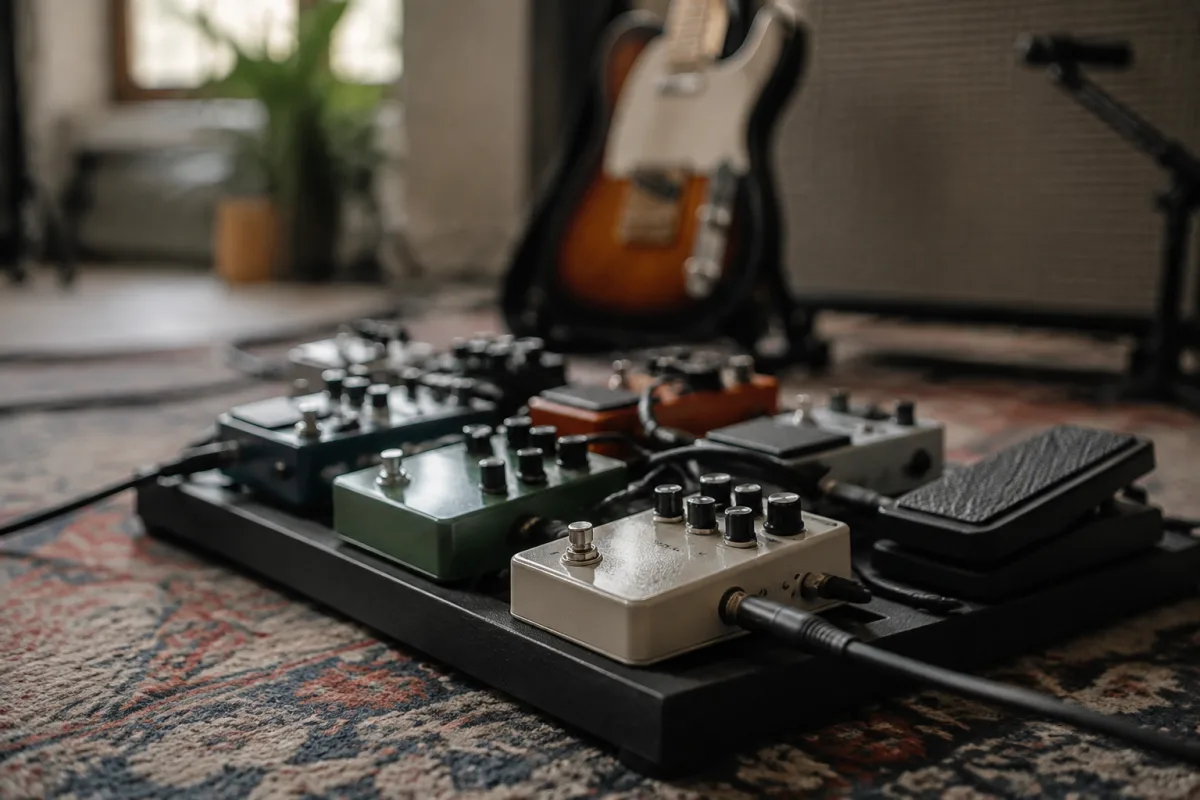
MXR guitar effects pedals have earned a reputation for durability and sound quality across decades of gigging and recording. If you're looking to add effects to your rig, understanding what separates them from competitors—and what to watch for when buying—will help you make a smart choice. This guide covers the key specs, which pedal types offer the best value, how to assess build quality before you commit, and how MXR stacks up against other brands in the effects pedal market.
What Makes These Pedals Stand Out
MXR has a strong heritage in compact, road-tested effects. The brand is owned by Jim Dunlop, and their products are manufactured to withstand the rigours of touring and studio work. What draws musicians to these effects pedals is a combination of proven reliability, transparent sound quality (they don't colour your tone aggressively unless you want them to), and a compact footprint—crucial when you're building a pedalboard and space is precious.
The Distortion+, Phase 90, and Carbon Copy Delay are industry standards, but the range extends far beyond these classics. A MXR guitar effects pedal typically costs between £60 and £200, depending on complexity.
Categories and Which Pedal Type to Buy
Before selecting a specific model, decide what effect you actually need. MXR makes distortion, overdrive, fuzz, modulation (chorus, phaser), delay, reverb, compressor, and utility pedals (tuner, boost). If you're starting out, a single well-chosen model—perhaps a distortion or overdrive—is more useful than five mediocre ones.
Classic starting points include the Distortion+ (aggressive, vintage tone), the Custom Comp (transparent compression that sits well in any rig), or the Carbon Copy Delay (natural-sounding, workhorse delay). Study player reviews and YouTube demos to hear what each category adds to your tone.
Build Quality: What to Inspect
MXR pedals are legendarily durable, but quality varies. When you examine one, check the following:
- Housing and footswitch. The metal enclosure should feel solid—no flex or rattle. The footswitch should click decisively without play or mushiness. If the switch is sloppy, the pedal has seen heavy abuse or has a factory flaw.
- Knobs and controls. All knobs should turn smoothly through their full range with no grinding or dead zones. Scratchy pots are a sign of age or poor storage conditions.
- Input and output jacks. Wiggle a cable in the jacks gently. There should be zero play—loose jacks lead to intermittent connections and are expensive to fix.
- LED indicator. The LED should light clearly when the pedal is engaged. A dim or flickering LED might indicate failing power delivery or internal issues.
- Casing condition. Dings, scratches, and heavy wear are cosmetic but can reduce resale value. Look for corrosion around the jacks or any signs of liquid damage—these are red flags.
Power and Connectivity
Most MXR guitar effects pedals run on a 9V battery or an external power adapter. Check whether the model you're buying includes a power supply—some do, some don't. A quality isolated power supply (separate from your rig) is worth the investment if you're running multiple pedals, but a single one can run happily on a battery for casual use.
Understand the input impedance and output impedance too. These are designed to work with standard guitar cables and rigs, but if you're chaining many pedals or using a long cable run, impedance matching can affect high-end tone response. This matters most to advanced players; beginners can ignore it.
New vs. Used: Price and Condition
New MXR guitar effects pedals from authorised dealers come with a warranty (typically 1–2 years) and guaranteed condition. Used examples on Reverb, eBay, or local markets can cost 30–50% less. MXR's durability means used pedals are often excellent value—a 10-year-old model in good condition will likely outlast a cheap new pedal.
When buying used, request photos of the pedal and its condition. Ask about the switching history—a pedal with thousands of activations will show wear on the switch. A lightly used studio-only model or a mint collector's piece is rare and worth the premium.
Comparing Alternatives
MXR competes directly with Boss, Ibanez Tube Screamer, Electro-Harmonix, and Fulltone. Boss offers more digital options and visual feedback (LCD screens), which some players prefer. Electro-Harmonix pedals are often cheaper and have a vintage vibe. Fulltone is premium and hand-built but costs twice as much. At the £60–£200 price point, you're getting a solid middle ground: proven sound, rock-solid build, and wide availability.
Red Flags: When to Avoid a Purchase
- Scratchy, grinding pots. Potentiometer replacement is costly and specialist work.
- Loose input/output jacks. Jack replacement requires internal soldering—not a simple fix.
- Non-responsive footswitch. A dead switch means internal relay or electronics failure.
- Corrosion or liquid damage. These are difficult to diagnose and repair reliably.
- Missing or broken power components. If the power jack is damaged or the LED doesn't work, the pedal's internals may be compromised.
Getting the Best Value
Research which specific MXR model suits your needs—don't buy a multi-effects pedal if you only need one effect. If you're a beginner, a single quality effects pedal is better than a half-dozen cheap ones. Buy from authorised retailers if you want warranty protection; buy used if you're confident in assessing condition and don't need warranty coverage.
Test any pedal before you commit, if possible. Visit a shop, plug it in, and hear how it sounds with your guitar and amp. If ordering online, buy from retailers with a returns window—this protects you if the pedal doesn't work with your rig as expected.
For detailed information about the full range and specific models, visit the complete guide to MXR guitar effects pedals, which covers the brand's history, signature models, and technical specifications.
Conclusion
MXR guitar effects pedals represent excellent value for musicians willing to invest in quality. Armed with knowledge of what to inspect and which models suit your needs, you're ready to make a smart purchase that will serve your playing for years to come.



Comments