
Music Instruments Strings List article
The Complete Guide to Music Instruments Strings List
Discover the complete guide to bass guitar strings. Explore different string types, materials, and gauges that shape your tone, playability, and musical expression.
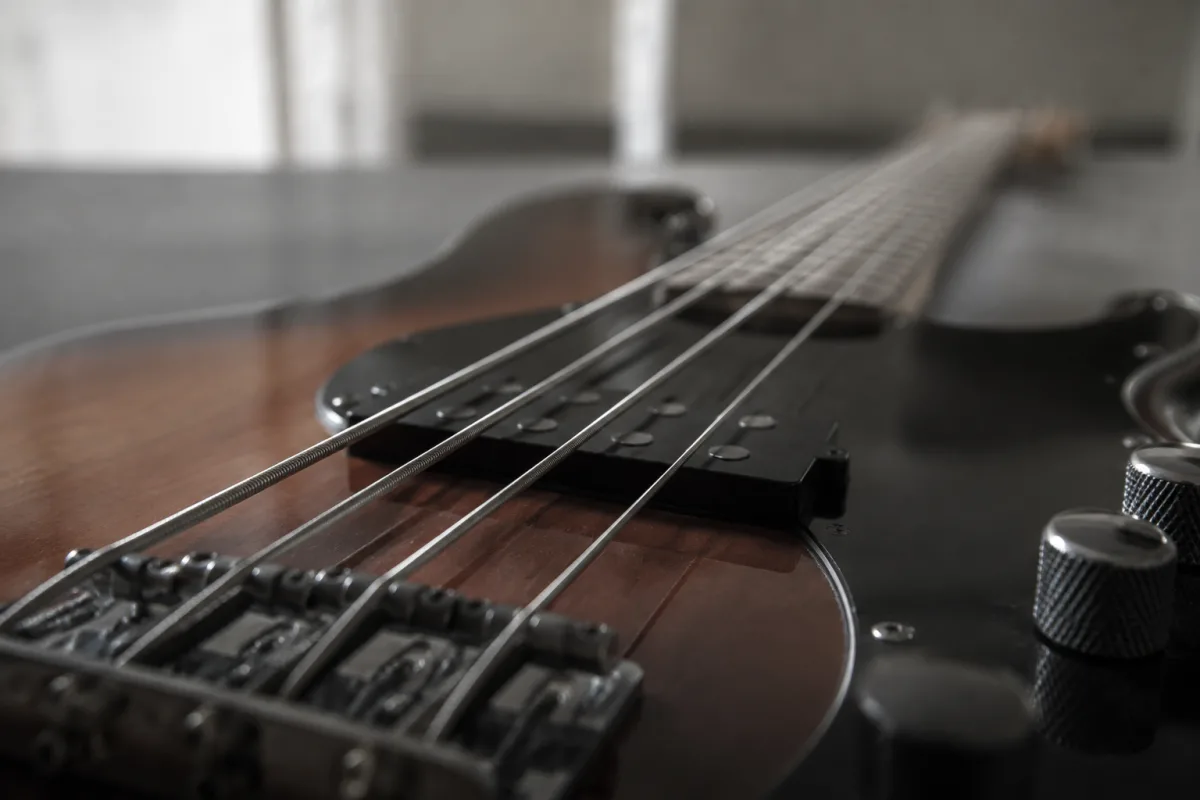
Bass guitar strings form the foundation of every bassist's instrumental voice, directly influencing tone, playability, and overall musical expression. The seemingly simple choice of which strings to use carries profound implications for sound character, durability, and playing comfort. A comprehensive guide to music instruments and string options reveals surprising diversity—from traditional roundwound designs to modern flatwound, tapewound, and coated variants—each offering distinct tonal characteristics and performance advantages. Understanding the distinctions between different string types, materials, and gauges empowers bassists to make informed choices that genuinely enhance their musical experience and instrumental performance.
Understanding String Construction
Bass strings consist of three fundamental components: the core wire, the winding (whether roundwound, flatwound, or other construction), and potentially protective coatings. The core typically features steel construction, though some designs employ alternative metals. The winding material and pattern dramatically affect both tone and playing feel. A music instruments strings list categorises options by construction methods, allowing meaningful comparison between manufacturers and product lines.
Roundwound strings, featuring wire wound in a visible spiral pattern, produce bright, articulate tone with pronounced midrange presence. Flatwound strings, with smooth flat winding, deliver warm, muted tone particularly favoured in jazz and vintage styles. The smooth surface reduces string noise and finger friction but sacrifices brightness compared to roundwound equivalents.
Exploring Available Options
A comprehensive music instruments strings list encompasses numerous options addressing different playing styles and tonal requirements. Standard four-string bass sets typically feature gauges like .045-.100, providing balanced tension and playability for most musicians. Heavier gauges (.050-.107) offer increased tension and fuller tone, whilst lighter sets (.040-.095) reduce finger fatigue and favour faster techniques.
Five-string bass configurations add a low B string, requiring specially constructed sets. Quality guides often separate five-string options from four-string offerings, as extended range demands different material specifications. Six-string bass sets, uncommon but available, appeal to musicians seeking expanded range without adopting fretless instruments.
Within roundwound construction, options include standard, half-round, and pressure-wound variants. Each offers progressively reduced brightness compared to standard roundwound, appealing to bassists seeking compromise between roundwound articulation and flatwound warmth. Tapewound strings, featuring winding wrapped around core wire, deliver unique muted character particularly popular amongst fretless players.
Material Considerations and Durability
Most quality bass strings employ nickel-plated steel construction, balancing bright tone, reasonable pricing, and acceptable durability. Pure nickel options offer warmer tone but accelerate fret wear. Stainless steel variants resist corrosion effectively but provide harsher tone characteristics. Within any music instruments strings list, material composition significantly influences long-term playability and sound evolution.
Coated strings represent technological advancement in longevity. Protective polymer coatings extend string life substantially—some sets last six months compared to typical uncoated life spans of four to eight weeks. Modern recommendations increasingly emphasise coated options, acknowledging both financial and environmental benefits of extended durability.
Tone Selection and Playing Style
Choosing appropriate strings requires considering both genre requirements and personal tone preferences. Jazz musicians typically favour flatwound designs, their muted character complementing acoustic traditions. Rock and pop bassists generally prefer roundwound brightness, which cuts through in band mixes. Funk and modern styles often embrace roundwound texture, though flatwound variants serve specific contexts.
Fretless bass players face particularly demanding decisions. Flatwound or tapewound strings prevent excessive fretboard wear, whilst roundwound options offer superior articulation but risk degrading expensive instrument surfaces. This consideration fundamentally shapes musicians' product selection within available options.
Practical Considerations and Maintenance
String lifespan varies significantly based on playing intensity, frequency, and environmental conditions. Humid settings and salt-water exposure accelerate corrosion, requiring more frequent replacement. Regular cleaning and maintenance extend string life considerably. Wiping strings after playing removes accumulated sweat and oils.
A music instruments strings list approach emphasizes that apparently expensive options sometimes prove economical long-term when considering total cost-of-ownership, including maintenance time and replacement frequency. Understanding that heavy players might require monthly replacement, whilst casual musicians might extend strings to three-month intervals, allows realistic budget planning.
Conclusion
Thorough exploration of available bass strings demonstrates that selection represents far more than equipment procurement—it constitutes a crucial artistic decision influencing tone, playability, and musical expression. Whether prioritising brightness, warmth, longevity, or specific playing contexts, informed musicians select strings deliberately, understanding how their choice shapes their instrumental voice and musical communication. By engaging thoughtfully with available options, bassists craft sonic signatures reflecting both technical requirements and personal artistic vision.


Comments