


Modulation Effects Pedals article
The Complete Guide to Modulation Effects Pedals
Modulation effects pedals create dynamic texture and movement in tone. Learn how chorus, flanger and phaser effects work and find the right pedal for your musical style.
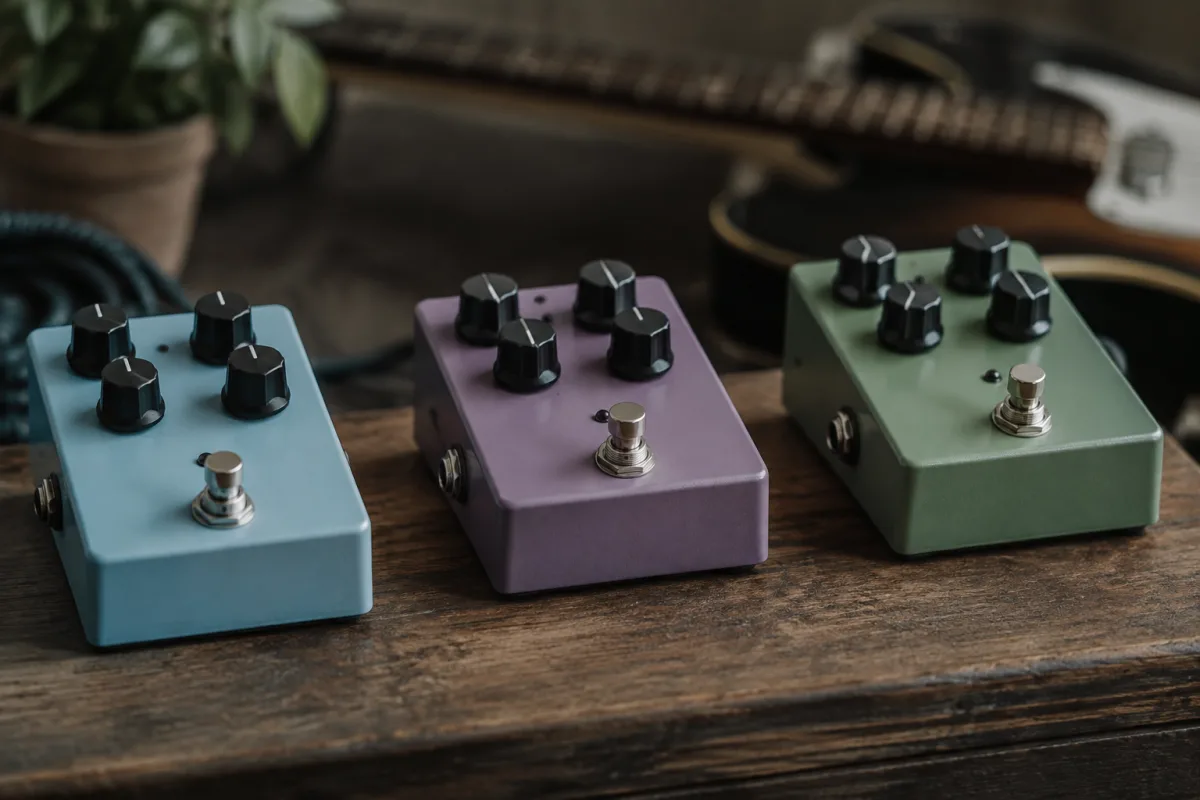
Modulation effects pedals create movement and texture in audio, transforming a static tone into something dynamic and spacious. From subtle chorus to dramatic phaser effects, these processors have defined the sound of countless genres from rock to funk to experimental music. Understanding how modulation effects work and which pedals deliver the most practical results will help you find the right textures for your playing.
What Are Modulation Effects?
Modulation effects work by copying the audio signal and varying its pitch, volume or timing, then blending the modified copy back with the original. This creates characteristic wobbles, swirls and flanging textures that add dimension to otherwise dry tones. The key parameters controlling modulation effects are speed (how fast the effect moves), depth (how pronounced the effect becomes) and mix (how much effected signal blends with dry).
The family of modulation effects includes chorus, flanger, phaser and vibrato, each creating distinctly different textures. Chorus adds width and thickness; flanger produces a sweeping, jet-plane quality; phaser creates a whooshing texture; vibrato modulates volume for tremolo-like effects. Understanding these distinctions helps you select the effect most suited to your musical context.
Common Types of Modulation Effects Pedals
Several modulation effects pedals remain industry standards:
- Chorus: The most commonly used modulation effect, adding width and thickness. Particularly effective on bass, where subtle chorus enhances fullness without obscuring note definition.
- Flanger: Creates a distinctive sweeping character. Less commonly used on bass but can produce dramatic effects in rock and experimental contexts.
- Phaser: Generates a subtle, sophisticated swirl. Popular in funk bass and contemporary jazz fusion.
- Vibrato: Modulates pitch slightly, creating a subtle shimmer without the width of chorus.
- Tremolo: Modulates volume rather than pitch. Sometimes classified separately from modulation, though the mechanism remains similar.
Evaluating Modulation Effects Pedals
| Pedal Type | Primary Use | Typical Price | Ease of Use |
|---|---|---|---|
| Chorus Pedal | Adding width and thickness | £50–£200 | Simple, intuitive controls |
| Flanger Pedal | Dramatic sweeping effects | £60–£250 | Moderate, more parameters |
| Phaser Pedal | Subtle, sophisticated texture | £80–£300 | Moderate complexity |
| Multi-Effects Unit | Comprehensive modulation options | £150–£500 | Complex, steep learning curve |
Using Modulation Effects Pedals Musically
Effective use of modulation effects pedals requires restraint and musicality. Subtle settings enhance tone without overpowering the fundamental note; extreme settings can render bass unintelligible in a band context. Many experienced bass players keep modulation effects pedals engaged only during specific sections, using the footswitch to enable and disable effects as needed.
The speed of the modulation effect should relate meaningfully to the tempo of the song. Matching the modulation rate to the song’s beat creates cohesion; mismatching creates rhythmic tension. Experimenting with different combinations of speed and depth helps develop intuition for effective modulation settings.
Choosing Your First Modulation Effects Pedal
Start with a single-effect pedal like a basic chorus unit, allowing focused experimentation without overwhelming options. A quality chorus pedal costs between £50 and £150 and covers most practical modulation needs. Once comfortable, expanding to additional effect types or a multi-effects processor becomes a natural next step.
Consider whether you prefer a dedicated single-effect pedal or a multi-effects unit offering numerous possibilities. Single pedals invite deeper exploration of one effect type; multi-effects offer broader options but require more menu diving. Your musical context and willingness to experiment should guide this decision.
Classic Modulation Effects Pedal Examples
Iconic modulation effects pedals have become reference standards. The Boss DS-1 distortion pedal, whilst not purely modulation, sits alongside modulation effects in countless rigs. The MXR Carbon Copy Analog Delay adds texture beyond pure modulation. Electro-Harmonix Small Clone chorus pedals have powered rock and alternative bass tones since the 1980s. Understanding these classics informs more informed decisions about contemporary pedals.
Conclusion
Modulation effects pedals add vital texture and dimension to bass tone. Whether you pursue subtle chorus enhancement or dramatic flanging effects, understanding how modulation effects work enables confident musical choices. Start simply, experiment systematically, and let your musical taste guide your collection as your explorations deepen.


Comments