


Marshall Guitar Pedals article
Marshall Guitar Pedals for Beginners: A Complete Guide
Whether you're exploring Marshall distortion or curious about effects, this beginner's guide walks you through your first pedal experience with clarity and encouragement.
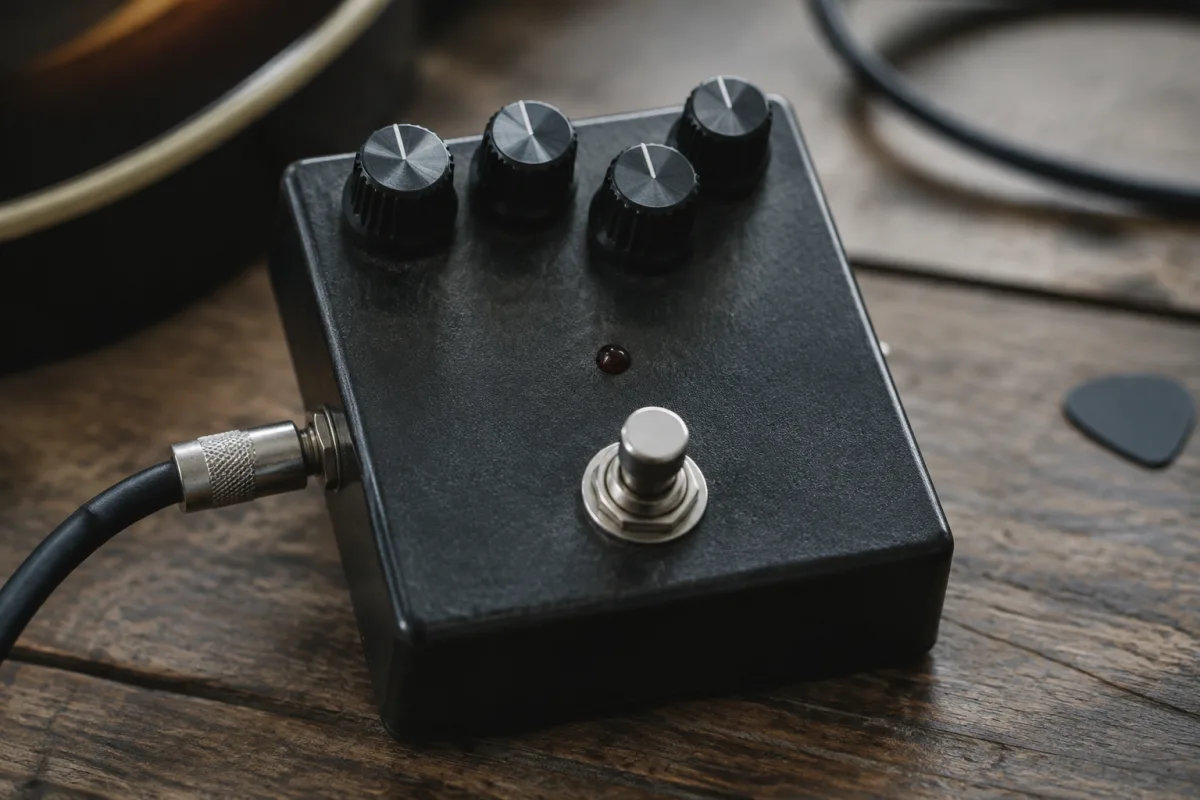
Your amplifier gets you sound; Marshall guitar pedals give you character and personality. Whether you're drawn to the legendary crunch of Marshall distortion, intrigued by effects processing, or simply want to explore sonic possibilities beyond your amp's built-in tones, understanding how to start with Marshall pedals removes the mystery. This beginner's guide walks you through your first pedal experience with clarity and encouragement, helping you understand what Marshall pedals do and which might suit your playing.
Understanding Marshall Pedals: What They Actually Do
Marshall guitar pedals fall into two main categories. Distortion and overdrive pedals add aggression and grit to your tone—the Marshall distortion sound that legends built their playing on. Effect pedals like delays, reverbs, and modulation add space, texture, and dimension without necessarily adding gain. As a beginner, you don't need both categories immediately. Start by choosing a direction: more aggressive tone, or enhanced texture?
Each pedal sits between your guitar and amplifier, processing your signal before it reaches the amp. The pedal's strength comes from its ability to colour your tone fundamentally. A modest amp with a quality Marshall pedal sounds more impressive than an expensive amp played clean. That's why investing in effects early matters.
Your First Pedal: Distortion or Something Else?
Many beginners start with distortion—Marshall's distortion pedals are particularly popular. This makes sense: distortion creates obvious, satisfying tone changes immediately. You flip it on, and suddenly your guitar sounds heavier and more aggressive. That immediate gratification keeps you motivated.
However, starting with modulation (chorus, flange, phaser) or delay offers a different path. These subtle effects don't dominate your tone; instead, they enhance and texture it. You develop tonal nuance earlier if you start this way. Neither path is wrong—choose based on the music you're drawn to. Heavy, aggressive genres suit distortion; atmospheric styles suit effects.
Navigating Marshall's Pedal Range
Marshall produces pedals ranging from simple one-control units to complex multi-effects processors. As a beginner, simpler is better. A basic Marshall distortion pedal has three controls—drive, tone, level—and teaches you how gain, frequency, and volume interact. You master these before exploring complex units.
Avoid Marshall's most complex units initially. That £200 multi-effects beast with fifty parameters will confuse you. A £50 basic Marshall pedal teaches faster and costs less. Once you understand pedal basics through simple models, complex gear becomes learnable rather than overwhelming.
Your First Pedal Session: Getting Started
Setting up your first Marshall pedal takes seconds. Follow these steps:
- Remove the pedal from its box and check that the foot switch moves freely. The control knobs should rotate smoothly.
- Place the pedal on the floor in front of you, using a small pedalboard or tape to keep it stable.
- Connect a guitar cable from your guitar output to the pedal's input jack.
- Connect a guitar cable from the pedal's output to your amplifier's input.
- Plug in the power supply (if corded) or install batteries (if battery-powered).
- Power on your amplifier and play guitar without activating the pedal. Note your clean tone.
- Press the foot switch to activate the pedal. Immediately you'll hear the difference.
- Adjust the three control knobs to shape the tone you're after. Don't overthink it—turning knobs teaches faster than reading manuals.
Congratulations. You've just used your first Marshall pedal, and you understand the fundamentals better than 90% of people reading about effects online.
Common Beginner Mistakes to Avoid
Learning from others' early missteps accelerates your pedal mastery:
- Buying too many pedals at once: Beginners often assume more pedals equal better tones. Not true. One quality Marshall pedal teaches more than five mediocre ones. Start simple; add complexity gradually.
- Maxing out the pedal's controls immediately: Turning drive to maximum or tone to extreme positions teaches nothing. Subtle, balanced settings teach. Start with mid-range settings, then adjust gradually from there.
- Ignoring your amplifier's settings: Your pedal interacts with your amp's gain, EQ, and effects. If your tone sounds wrong, the pedal might not be the problem. Try adjusting your amp before blaming the effect.
- Using cheap patch cables: Poor-quality cables introduce noise and signal loss. Investing £5–£10 in decent cables matters more than many beginners think. Quality cables let your pedal sound its best.
- Not learning what each control does: Drive controls gain amount; tone shapes frequency response; level controls output volume. Understanding these fundamentals means you'll control your tone rather than fighting your gear.
- Expecting Marshall pedals to magically improve weak playing: A quality pedal enhances good playing; it doesn't fix poor technique or musicality. Use pedals as creative tools, not crutches masking fundamental gaps.
Powering Your Pedal Correctly
Marshall pedals use either batteries or AC power supplies. Battery-powered is convenient for portability; AC-powered requires a cable. For home practice, AC power is simpler and cheaper (no battery replacements). If you travel frequently, battery power is convenient despite higher long-term costs.
Check your specific pedal's power requirements before purchasing. Running a power-hungry pedal on batteries that die frequently is frustrating. Knowing your power options prevents surprises.
Expanding Your Effects Setup
After a few months with one Marshall pedal, you might want to add more. A logical progression moves from a single distortion to adding delay or reverb (space effects), then modulation (texture effects). Build gradually. Each new pedal should teach you something about tone-shaping that your existing pedals don't.
A pedalboard becomes necessary once you have three or more pedals. Simple pedalboards (£30–£60) organize your effects, making live use manageable. Budget for this eventual expansion as your collection grows.
For comprehensive guidance on Marshall guitar pedals and integrating them into broader effects chains, explore our complete guide to Marshall guitar pedals, which covers advanced tone-shaping, signal chain optimization, and creative effects combinations.
Your Marshall Pedal Journey Begins
Starting with Marshall guitar pedals is genuinely simple. Choose a direction (distortion or effects), buy one quality pedal, and experiment without overthinking. Within hours, you'll understand your tone better and hear possibilities you'd previously missed. That's the magic of effects: they transform your creative confidence and inspire you to play more. Welcome to Marshall pedals. Your musical voice just became richer.


Comments