


Markbass Bass Amp Buying guide
Markbass Bass Amp: A Complete Buyer's Guide
Markbass makes compact, lightweight amps for every budget. This buying guide focuses on specs that actually matter, price tiers, features worth paying for, and how to avoid overspending or undershooting your real needs.
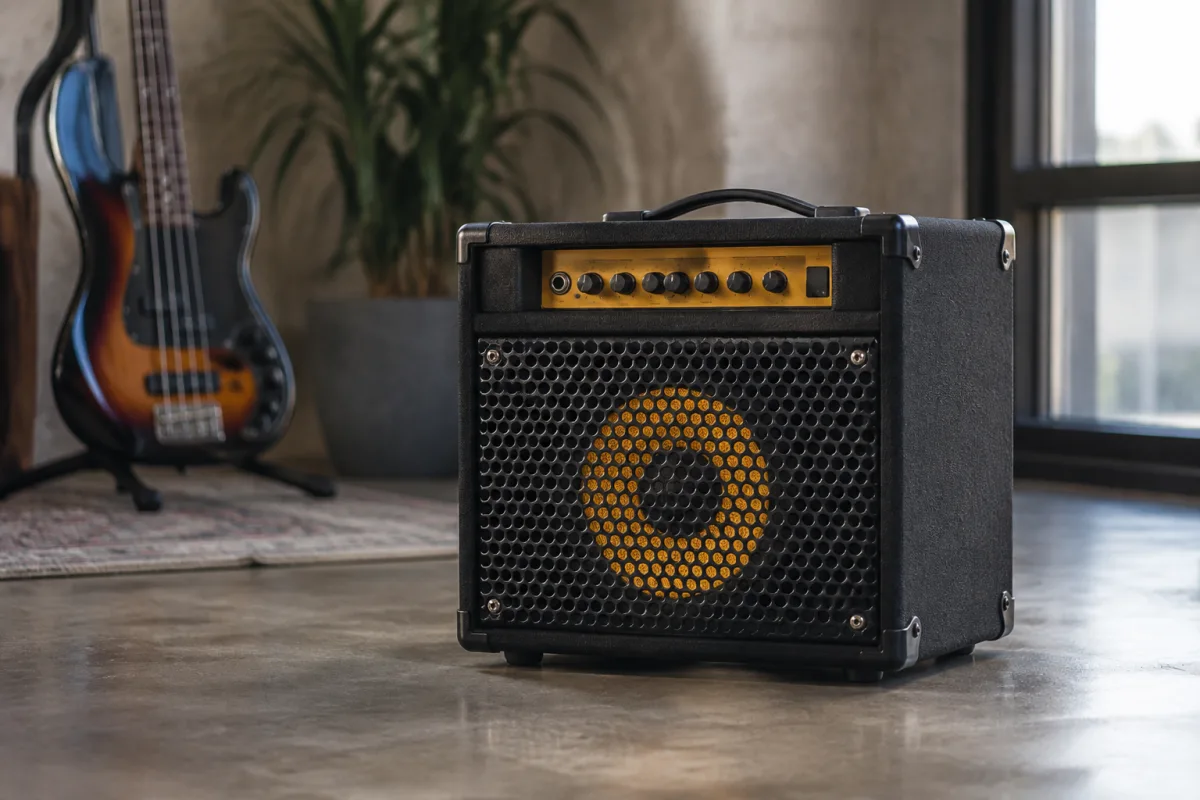
Shopping for a Markbass bass amplifier means navigating several models across different price points and power ratings—each suited to different playing contexts and budgets. This buying guide focuses on the practical specs, how to choose between their lineup, common pitfalls, and what you're actually paying for at different price tiers. Skip the history and product philosophy; here's what matters when you're deciding which Markbass amp to buy.
Markbass Power Ratings: What Actually Matters
Markbass amps range from 25-watt combos to 500-watt heads. Wattage alone doesn't tell the full story. A 25-watt Markbass is genuinely loud because they use Class D amplification (lighter, more efficient than older Class AB designs). For bedroom and rehearsal use, 25–60 watts is sufficient. For small gigs, 100–150 watts is the sweet spot. For venues over 200 people, consider 250+ watts or add external speaker cabinets. Don't confuse wattage with volume capability; an efficient 100-watt amp outperforms an inefficient 200-watt design.
Cabinet and Speaker Options
Markbass makes several cabinet configurations. Combo units (amp and speaker built in) run £300–£900 depending on power and speaker size. Separable systems (head + cabinet) offer more flexibility but cost more upfront. The Little Mark 250 head paired with a cabinet is their popular gigging setup. Speaker size matters: 10-inch speakers are compact and punchy; 12-inch speakers offer fuller tone; dual-speaker combos (10+10 or 10+12) balance portability with tonal depth. If you're playing small venues, a single-speaker combo is practical. If you're playing larger rooms or need more bottom-end response, dual-speaker or separate cabinet setups work better.
Combo Versus Head-and-Cabinet: Practical Considerations
Markbass combos are genuinely portable—their Class D amplification and compact design make even powerful combos lighter than traditional equivalents. A 250-watt Markbass combo is lighter than some 100-watt tube amps. If you're regularly transporting your amp to rehearsals or gigs, this matters. However, if you need to add cabinets later for bigger venues, separate head-and-cabinet systems offer more upgrade potential. Choose based on your immediate playing context. Adding an external cabinet to a combo that has a line-out is always an option later.
Features and Tone Controls
Markbass amps feature active EQ with separate controls for lows, mids and highs. Some models include additional features like an XLR out for recording, built-in effects loops, and adjustable low-frequency filters. Ask yourself: do you need these features now? Advanced EQ is useful if you're experimenting with tone; a simpler three-band EQ is fine if you're just starting out. Effects loops are only necessary if you're running outboard effects. Avoid paying for unused features.
Price Tiers and What You're Actually Buying
Entry-level Markbass combos (25–50 watts, £300–£500) suit bedroom practice and small rehearsals. Mid-range combos (100–150 watts, £600–£900) handle rehearsals and small gigs. Separate heads start around £500 for 250 watts; professional touring heads (500+ watts) exceed £1,500. At lower price points, you're buying portability and value. At mid-range, you're getting gigging capability. At professional tiers, you're investing in tour-grade reliability and additional features. Know which category your needs fall into before browsing.
Common Mistakes When Buying
First, don't assume you need the most powerful amp available. Most gigging bassists use 100–150 watts. Overshooting power means carrying unnecessary weight and spending money you don't need to spend. Second, don't confuse amp wattage with speaker quality. A 250-watt amp with a mediocre speaker sounds worse than a 100-watt amp with a quality speaker. Ask about the speaker manufacturer and specifications. Third, don't buy without trying one first. Markbass tone is specific—some players love it immediately; others find it takes adjustment. If possible, listen to one at a shop before committing. Fourth, overlook the weight difference at your peril. A 100-watt Markbass combo genuinely weighs less than a 25-watt tube amp. If you're hauling equipment regularly, this matters enormously.
Amp Specifications to Check
Beyond wattage, look at impedance (4 ohms vs. 8 ohms—lower impedance generally allows more external cabinets), speaker driver count and size, frequency response range (how much bass and treble the amp can produce), and noise floor (how quiet it is when no signal is passing). Also check connection options: does it have XLR out for recording? USB connectivity for backup? Headphone output? These seemingly minor specs matter when you're actively using the amp.
New Versus Used Markbass
Markbass amps hold value reasonably well because they're respected and reliable. A used model typically resells at 60–70% of original price. Used Markbass is safe to buy if it comes from a trusted seller and you can inspect it first. However, newer models occasionally offer feature improvements. Weigh the cost savings of used against the peace of mind of buying new with a warranty.
Gigging Expectations
If you're planning to gig regularly, budget for at least a 100-watt Markbass combo or a 250-watt head with a cabinet. Rent a PA system for venues over 300 people rather than trying to rely solely on your amp. This approach is cheaper than buying oversized gear and more reliable than hoping your amp fills a room it wasn't designed for.



Comments