
Loop Pedals Guitar article
The Complete Guide to Loop Pedals Guitar
Loop pedals guitar transform solo guitarists into one-person bands. Explore how loopers work, which models suit your needs, and master the techniques to layer music effectively.
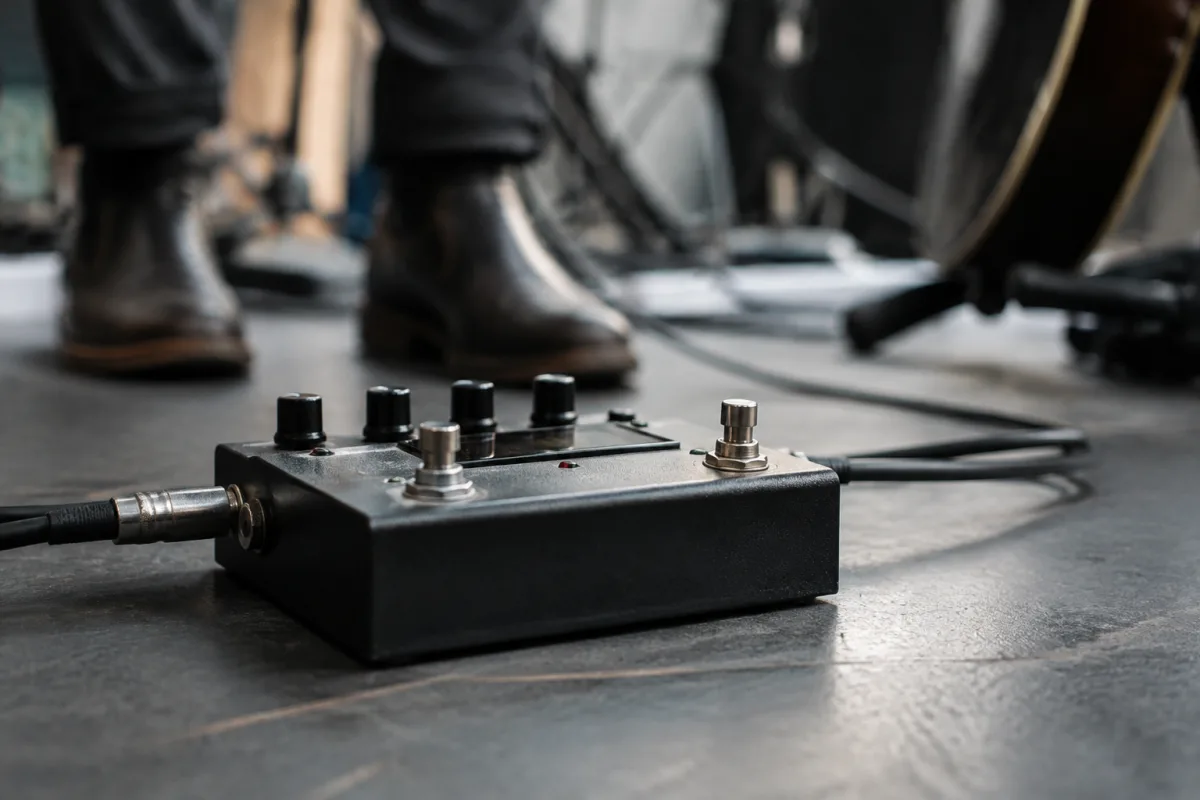
Loop pedals guitar have revolutionised how solo performers create full, layered soundscapes, transforming a single guitarist into a one-person band. Whether you're busking on a street corner, performing solo gigs, or creating intricate arrangements in the studio, loop pedals guitar provide the technology to record, layer, and playback musical ideas with precision and flexibility. Understanding loop pedals guitar technology helps you choose the right tool and master the essential techniques for musical expression.
What Are Loop Pedals Guitar?
A loop pedals guitar is a footswitch-controlled device that records your guitar playing into a digital buffer, then plays that recording back repeatedly whilst you perform new material over it. Loop pedals guitar function like a personal session band—you record a bass line, overdub a rhythm progression, add a lead melody, and the loop pedals guitar technology cycles through each layer simultaneously. Most loop pedals guitar models store multiple independent loops, allowing different song sections (verse, chorus, bridge) to retain unique arrangements.
Loop pedals guitar come in various sizes and feature sets. Simple loop pedals guitar units offer basic record/playback functionality for £80–£150, suited to learners exploring the concept. Professional loop pedals guitar equipment might include an expression pedal for volume control, multiple footswitches, drum machine synchronisation, and dozens of onboard effects—costing £400–£1,200. Understanding which loop pedals guitar features matter to your musical goals prevents overspending on unnecessary features.
How Loop Pedals Guitar Work
The mechanics of loop pedals guitar are straightforward. You press the footswitch to begin recording; your guitar signal flows into the device and is stored in memory. Pressing the switch again stops recording and begins playback—the recorded loop plays continuously, typically taking about 0.5 seconds to restart from the end to the beginning. Most loop pedals guitar models offer a small visual display or LED feedback to confirm recording is active, playback is looping, and whether you're adding to an existing loop or creating a new one.
Modern loop pedals guitar incorporate undo/redo functionality, allowing you to discard the last recorded layer without stopping playback. Some loop pedals guitar feature unlimited overdub stacking—you can keep adding layers indefinitely—whilst others limit total recording time based on available memory. A typical budget loop pedals guitar might record 20–40 seconds of material; professional loop pedals guitar systems often allow several minutes of content, supporting more complex arrangements.
Essential Loop Pedals Guitar Types
| Loop Pedals Guitar Type | Price Range | Best For |
|---|---|---|
| Simple Compact Loop Pedals Guitar | £80–£150 | Beginners exploring looping; buskers with limited budget |
| Intermediate Loop Pedals Guitar | £150–£300 | Serious hobbyists; semi-professional performers |
| Professional Loop Pedals Guitar | £400–£800 | Touring musicians; studio recording; complex arrangements |
| Premium/Flagship Loop Pedals Guitar | £800–£1,200+ | Professional session musicians; orchestral loopers |
| Loop Pedals Guitar Stations | £200–£600 | Keyboard players also using loop pedals guitar; multi-instrument performers |
Key Features to Consider
When selecting loop pedals guitar, several features significantly impact your experience. Recording time is critical—longer buffers let you build more elaborate arrangements before layers run out of memory. The best loop pedals guitar for extended performances or complex songs prioritise generous recording capacity. Footswitch design matters equally; loop pedals guitar with large, well-separated switches prevent accidental triggers during energetic performances.
Expression pedal compatibility distinguishes advanced loop pedals guitar from budget models. An expression pedal plugged into loop pedals guitar allows hands-free volume control, looping layer mixing, and effect manipulation—essential for solo performers who can't use their hands for mixing decisions. Synchronisation options—MIDI compatibility, USB connectivity, or sync input for external drums machines—position loop pedals guitar as components in larger performance rigs rather than standalone devices.
Onboard effects built into loop pedals guitar add creative possibilities without requiring external pedals. Reverb, delay, compression, and modulation effects available within loop pedals guitar streamline your signal chain and reduce the physical footprint needed for complex sound design. Some loop pedals guitar models offer rhythm section accompaniment—drum patterns or metronome click that sync with your loop playback, essential for solo performers maintaining timing without a drummer.
Loop Pedals Guitar Performance Techniques
Mastering loop pedals guitar requires understanding track arrangement and intentional layering. Professional loop pedals guitar performers typically record in order: foundation bass line, then rhythm texture, then melodic content. This hierarchy creates balanced mixes where bass anchors the arrangement before higher-frequency elements layer atop. Amateur loop pedals guitar use often reverses this order, resulting in bass frequencies that dominate and muddy the mix once they stack.
Track management distinguishes excellent loop pedals guitar performers from chaotic ones. Dedicated loop pedals guitar units with multiple independent loop slots allow assigning different sections to different loops—one loop for verse bass, another for chorus rhythm, a third for lead melody. This approach lets performers switch between song sections cleanly. Single-loop devices require careful planning where verse, chorus, and bridge layers happen sequentially within one expanding loop, demanding precision to avoid timing catastrophes.
Common Loop Pedals Guitar Mistakes
Beginners frequently make errors when learning loop pedals guitar. Layering too quickly creates sloppy timing offsets that cascade when multiple layers play simultaneously. Professionals using loop pedals guitar take time with each layer, playing deliberately and often replaying layers until timing is locked tight. Starting with drums or rhythm instead of bass means loop pedals guitar bass enters last, appearing disconnected from established timing.
Neglecting to clear old loops creates confusion when loop pedals guitar performers try switching between song sections. Tracks meant for verse arrangements accidentally play during chorus sections. Professional loop pedals guitar users establish rigorous workflows: record verse material in one loop slot, clear it thoroughly, then move to the next section. Setting loop pedals guitar levels too hot (too loud) causes digital clipping and distortion that worsens when layers accumulate. Setting them too quiet requires cranking amplifier volume, introducing feedback.
Loop Pedals Guitar in Different Genres
Loop pedals guitar functionality translates across musical styles but serves different purposes. Folk and acoustic musicians use loop pedals guitar to add percussive elements, harmonic beds, and layered textures that mimic ensemble performances. Jazz guitarists employing loop pedals guitar create conversational arrangements where recorded phrases dialogue with live improvisations, pushing rhythmic and harmonic boundaries. Rock and blues players use loop pedals guitar for extended jams and multi-tracked guitar textures unavailable without additional musicians.
Electronic and experimental musicians push loop pedals guitar capabilities into unconventional territory—using reverse playback, half-speed recording, and granular manipulation if their loop pedals guitar equipment supports such features. Looped guitar material becomes raw material for processing, chopped, pitched, and time-shifted beyond recognition. Hip-hop producers sample loop pedals guitar performances, extracting grooves that become production elements. Loop pedals guitar's versatility ensures relevance across every musical genre.
Choosing Your First Loop Pedals Guitar
Beginners should start conservatively with loop pedals guitar—a well-reviewed £100 model teaches the fundamentals without requiring significant investment. Budget loop pedals guitar teach you whether looping performance appeals to your musical practice. Many musicians discover looping isn't their style; others become committed loop pedals guitar performers who graduate to professional equipment once addiction sets in.
When upgrading from beginner loop pedals guitar to more sophisticated equipment, prioritise features you've discovered matter: storage capacity, footswitch design, synchronisation options. Professional loop pedals guitar often cost hundreds more than budget alternatives, so identifying essential functionality before spending prevents buyer's remorse. Rental and demos at musical retailers let you trial expensive loop pedals guitar equipment before committing to purchase.
Loop pedals guitar represent one of modern music's most empowering tools, enabling solo performers to create sounds previously requiring full bands. Whether you're performing solo, recording experimental arrangements, or simply exploring what's possible with layered guitars, loop pedals guitar offer limitless creative potential.


Comments