


Left Handed Electric Bass article
Left Handed Electric Bass for Beginners: A Complete Guide
If you're left-handed and dreaming of playing electric bass, finding a true left handed electric bass is essential for developing proper technique.
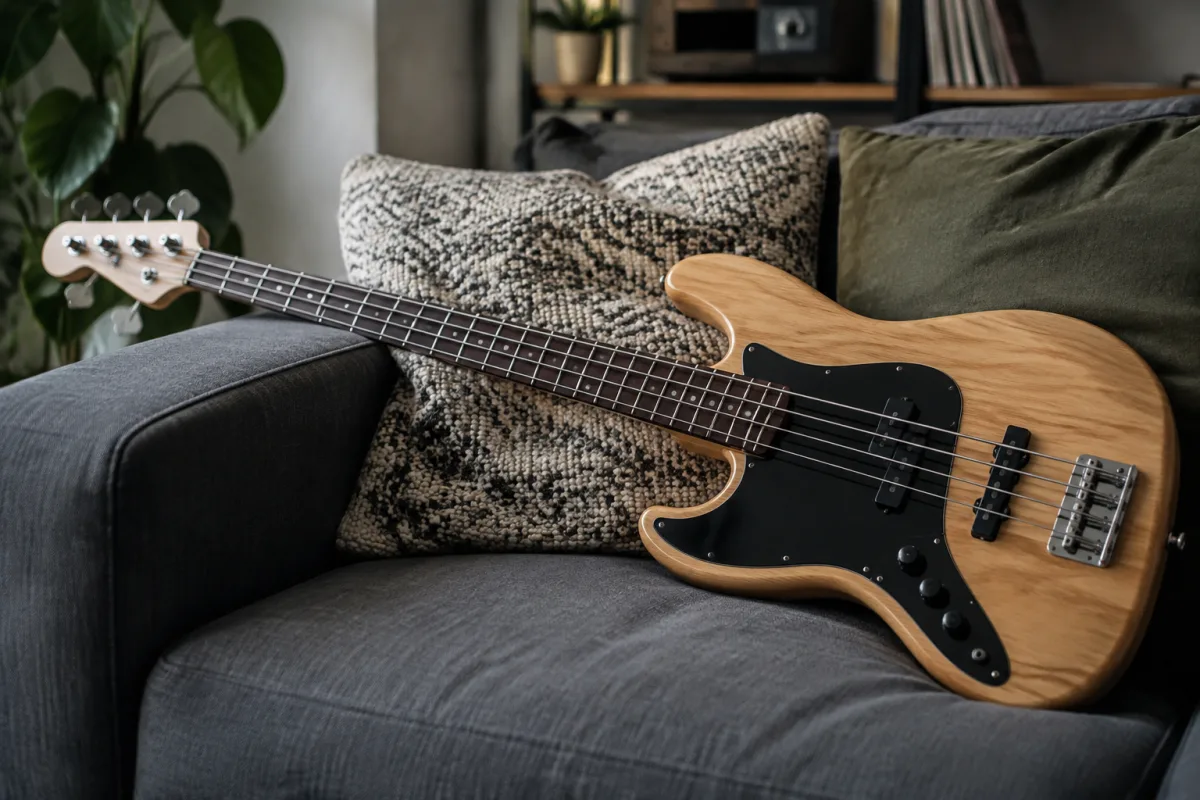
If you're left-handed and dreaming of playing electric bass, the first hurdle is finding an instrument designed for you. A left handed electric bass is absolutely essential—attempting to play a right-handed bass backwards creates terrible technique and makes learning frustrating. This beginner's guide will help you navigate finding, setting up, and mastering your first left handed electric bass with confidence.
Why a Proper Left Handed Electric Bass Matters
Many beginning bassists make a critical mistake: they adapt to right-handed instruments rather than insisting on a proper left handed electric bass. This approach creates lasting problems. Your dominant hand provides power and precision; playing against your natural preference exhausts you and limits your potential. A true left handed electric bass is designed with the controls, pickups, and bridge positioned for your comfort and optimal technique.
The bass world has historically prioritised right-handed players, making left handed electric bass options limited. However, quality instruments are absolutely available—you just need to know where to look. The investment in finding the right left handed electric bass early pays dividends throughout your musical journey.
Finding Your First Left Handed Electric Bass
Locating a left handed electric bass requires a different shopping approach than right-handed players use. Major manufacturers including Fender, Ibanez, and Yamaha offer left handed electric bass models, though often in limited runs. Check their official websites first to identify which models they produce left-handed.
Specialist retailers online often stock greater left handed electric bass inventory than local shops. Established online music retailers typically offer better selection, competitive pricing, and reliable return policies. Don't rush this search—finding the right left handed electric bass is worth taking time.
Budget Considerations for Left Handed Electric Bass
Budget for your left handed electric bass should mirror right-handed equivalents. Quality beginner instruments run £200-500. Mid-range left handed electric bass models (£500-1200) offer professional build quality. Premium instruments exceed £1200. Higher prices don't always mean better sound, especially for beginners, so focus on quality construction over cosmetics.
Limited availability sometimes inflates prices for left handed electric bass—don't overpay simply because fewer options exist. Patient searching often uncovers reasonably priced left handed electric bass instruments with excellent value.
Essential Specifications for Beginner Left Handed Electric Bass
When comparing left handed electric bass options, prioritise these specifications:
- Body ergonomics: Your left handed electric bass body should feel comfortable resting against your torso. Some shapes sit better for left-handed players. Try before buying if possible.
- Neck width and profile: Beginner left handed electric bass necks should be comfortable for your hand size. Thinner necks (around 1.5 inches) suit smaller hands; wider necks (1.75 inches) offer more finger spacing.
- Fretboard condition: Examine your left handed electric bass fretboard closely for flatness, level frets, and smooth finishing. Frets should have no sharp edges.
- Pickup type: Passive pickups on left handed electric bass instruments are simpler for beginners. Active pickups offer more tone flexibility but require battery changes.
- Build quality: Check that all hardware on your left handed electric bass is solid, tuning machines turn smoothly, and the bridge doesn't rattle.
Setting Up Your First Left Handed Electric Bass
Once you've selected your left handed electric bass, proper setup makes enormous difference in playability. The action (string height) should be comfortable—typically around 2mm at the 12th fret on a left handed electric bass. Too high makes playing exhausting; too low causes buzzing.
The truss rod on your left handed electric bass controls neck relief. If you don't have experience adjusting this, ask your retailer to set it up or take it to a technician. A few pounds for setup on your left handed electric bass saves weeks of frustration.
Strings and Accessories for Left Handed Electric Bass
Standard bass strings work fine on left handed electric bass—just ask your retailer to restring in left-handed configuration if your instrument arrives right-handed (rare, but it happens). Stock quality bass strings from brands like D'Addario or Ernie Ball work excellently on beginner left handed electric bass.
Essential accessories for your left handed electric bass include a reliable tuner (clip-on tuners are beginner-friendly), a strap designed for comfortable left-handed playing, and a music stand for practising. A simple 10-watt amplifier completes your setup for home practising with a left handed electric bass.
Common Beginner Mistakes with Left Handed Electric Bass
Left-handed bassists often make predictable mistakes. Avoid these pitfalls:
- Ignoring action adjustment: Many beginners accept whatever action their left handed electric bass ships with. Proper setup dramatically improves playability and speed development.
- Cheap straps: A low-quality strap causes shoulder strain even during short practise sessions with your left handed electric bass. Invest in a supportive model.
- Poor amp choice: A 10-15 watt amp suits home practise perfectly with left handed electric bass. Don't overpay for larger amplifiers until you're certain you'll progress.
- Skipping maintenance: Clean your left handed electric bass after playing. Sweat corrodes hardware and frets over time. A simple cloth wipe prevents costly damage.
- Attempting to use right-handed instruments: Some beginners try adapting to right-handed left handed electric bass instruments to save money. This creates terrible technique and guarantees frustration.
Learning with Your Left Handed Electric Bass
Your left handed electric bass is your partner in developing musicianship. Practise consistently with it—daily 20-minute sessions beat sporadic marathon sessions. Learn songs you love, even if they challenge you initially. Your left handed electric bass will reveal and reward your dedication over time.
Growing Beyond Your Beginner Left Handed Electric Bass
Quality beginner instruments grow with you. You might upgrade to a left handed electric bass with more tonal flexibility later, but your first instrument can remain in your collection for years. Many professional players maintain affection for the left handed electric bass that started their journey.
For comprehensive information about left handed electric bass models and features, explore our complete guide to left handed electric bass.
Your Left Handed Electric Bass Awaits
Starting bass as a left-handed musician simply requires finding an instrument designed for you. With proper research, realistic budget expectations, and patience, your perfect left handed electric bass is waiting. Embrace your natural playing orientation, invest in quality, and prepare for the rewarding journey ahead.


Comments