


Jazz 3 Plectrum Buying guide
Jazz 3 Plectrum: A Complete Buyer's Guide
Jazz 3 plectrums offer precision for fast playing but feel awkward at first. This buying guide covers material choices, thickness, and strategies for smooth transitions.
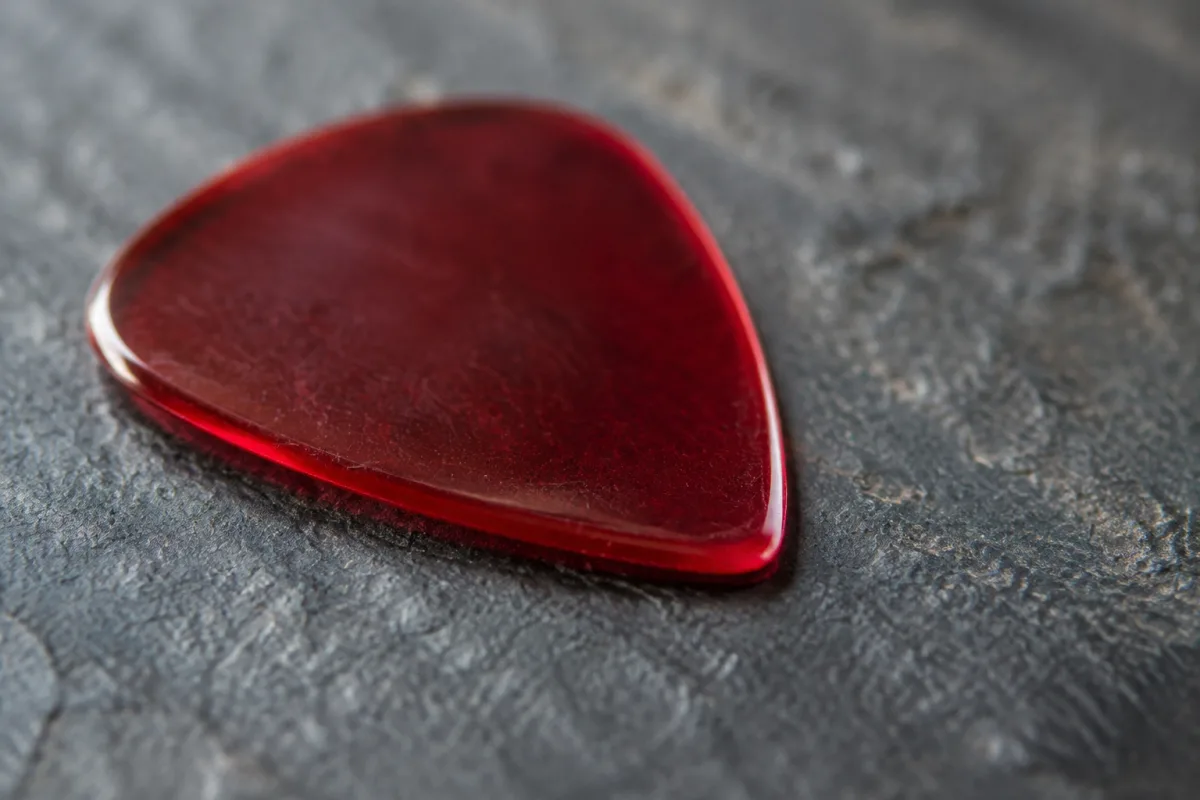
If you've been playing guitar with standard-size picks and want to explore faster, more precise playing, a Jazz 3 plectrum might be your next upgrade. These tiny, sharp picks are the secret weapon of jazz guitarists and fast-playing musicians who demand precision and control that traditional picks can't offer. However, switching to a Jazz 3 plectrum is genuinely jarring at first—the smaller size feels awkward in your hand, and you'll likely drop them frequently until you adapt. This buying guide shows you what to look for when choosing a Jazz 3 plectrum, how to find the right material and gauge for your playing style, and helps you avoid common mistakes that frustrate new users.
Understanding Jazz 3 Plectrum Specs: Material and Gauge
Jazz 3 plectrums come in a surprisingly wide variety of materials and thicknesses (gauges), and these differences dramatically affect how they feel and sound. Understanding these specifications helps you choose the right pick before investing money in a pack you might not enjoy.
Material options: Jazz 3 plectrums are typically nylon (the classic material), but also come in celluloid, acetal, polymer, and metal variants. Nylon Jazz 3 plectrums offer warmth and traditional tone. Celluloid sounds brighter and snappier. Acetal and polymer materials offer durability and are harder, making them ideal for aggressive playing. Metal plectrums sound piercing and metallic, suited only to experimental playing. For most guitarists, nylon or celluloid Jazz 3 plectrums are the sensible choice.
Gauge (thickness): Jazz 3 plectrums typically range from 1.38 mm (thin) to 1.5 mm (standard) and beyond. Thicker picks (1.5+ mm) offer more attack and control, especially for fast single-note playing and jazz. Thinner picks (1.38 mm) are slightly more flexible and warmer in tone. Most jazz players prefer the standard 1.5 mm thickness because it balances precision with tonal warmth.
Don't assume thicker is automatically better. Many players who switch to Jazz 3 plectrums start with standard gauge and only move to thicker if they specifically want more attack. Start with a 1.5 mm Jazz 3 plectrum and adjust thickness only if you're sure you need to.
Comparing Jazz 3 Plectrums by Brand and Price
Jazz 3 plectrums are affordable—typically £0.40–£1.50 per pick, depending on brand and material. However, these small picks wear quickly and are easily lost, so most players buy them in bulk.
- Dunlop Jazz III (the original): The iconic Jazz 3 plectrum, widely available, and reasonably priced at around £0.50–£0.80 per pick when bought in bulk. Dunlop Jazz III plectrums are the industry standard for jazz players. Most musicians who try Jazz 3 plectrums start with Dunlop and stick with them.
- Tortex Jazz III: Made from Dunlop's Tortex material, these cost slightly more (£0.60–£0.90) but feel warmer and less harsh than regular picks. Good middle ground between classic nylon and aggressive brightness.
- Premium jazz plectrums (Primetone, etc.): High-end options cost £1.00–£1.50 per pick. These offer refined tone and durability but aren't necessary for beginners. Start with standard Jazz 3 plectrums before investing in premium options.
- Budget or novelty picks: Very cheap Jazz 3 plectrums (£0.20 each) from unknown brands often feel flimsy and break easily. These false economies frustrate users. Spend the extra bit on recognized brands like Dunlop.
For most players, buying a multi-pack of standard Dunlop Jazz III plectrums at around £0.50 each represents genuine value. You'll lose and wear through picks regularly, so buying in bulk is practical.
Common Beginner Mistakes When Buying Jazz 3 Plectrums
- Buying a single pick to "test" before committing. This is natural but impractical—you'll lose it within a week. Jazz 3 plectrums are cheap enough to buy a whole pack. Accept that you'll lose some and plan for it.
- Choosing extremely thick gauges thinking they're "better". Extra-thick Jazz 3 plectrums (1.6+ mm) feel harsh and unforgiving for most players. Standard 1.5 mm is the sweet spot. Only go thicker if you've specifically noticed you want more attack or control.
- Buying novelty materials (metal, glass) without experience. These sound extreme and are difficult to control. Get comfortable with standard nylon or celluloid Jazz 3 plectrums first, then experiment with unusual materials if you're curious.
- Assuming one Jazz 3 plectrum will last forever. Jazz 3 plectrums wear down, especially the pointed tip that makes them effective. A single pick lasts several months with regular use, then gradually loses its precision. Budget for replacing them regularly.
- Ignoring grip and size adjustments. If Jazz 3 plectrums feel too small or slippery, consider adding a grip to your picks or experimenting with slightly larger jazz picks (Jazz III XL) before giving up. The size matters hugely for comfort.
Transitioning from Standard Picks to Jazz 3 Plectrums
Switching from a large, floppy pick to a tiny, rigid Jazz 3 plectrum feels uncomfortable initially. Your hand needs time to adjust to the smaller surface area and tighter grip required. Most players take 1–2 weeks to feel natural with a Jazz 3 plectrum.
Start by using Jazz 3 plectrums for just 15 minutes during practice, then return to your normal pick. Gradually increase the time as your hand adapts. Don't switch entirely overnight—that's a recipe for frustration and dropped picks everywhere.
You'll drop Jazz 3 plectrums frequently at first. This is completely normal. Many players attach a small lanyard or keep their picks in a dedicated pouch to minimize loss. After a few weeks of adaptation, dropping picks becomes rare, and you'll wonder how you ever played with a large, floppy pick.
Understanding Jazz 3 Plectrum Advantages and Limitations
Jazz 3 plectrums excel at fast, single-note playing—blues solos, jazz lines, shredding. The sharp point cuts through clearly, and the rigidity allows precise articulation. They're ideal for players who want control and speed.
However, Jazz 3 plectrums aren't ideal for aggressive strumming, folk-style picking, or players who prefer warmer, rounder tones from large picks. If you primarily play rhythm guitar or fingerstyle, Jazz 3 plectrums might never appeal to you. They're specialized tools, not universal upgrades.
Don't feel pressured to switch if you're happy with your current picks. Jazz 3 plectrums suit specific playing styles and preferences. Evaluate whether your goals align with what these picks offer.
Finding Your Jazz 3 Plectrum Perfect Match
Start with a standard pack of Dunlop Jazz III plectrums in 1.5 mm gauge. This is the industry standard for a reason—it works for most jazz and fast-playing styles. Use them for 2–4 weeks to develop proper technique and comfort. Only then consider experimenting with different gauges or materials.
If you find standard Jazz 3 plectrums work beautifully for your playing, you're done. Stick with them. If you discover you want more attack, try 1.6+ mm thickness. If you want warmth, experiment with Tortex or other warm materials. This methodical approach prevents wasting money on picks that don't suit your actual needs.
For detailed specifications, comparisons with other jazz pick styles, and advanced guidance on maximizing your Jazz 3 plectrum technique, our complete guide to Jazz 3 plectrums covers everything in depth. For now, focus on starting with standard Dunlop Jazz III picks, adapting gradually to their size and feel, and discovering whether they transform your playing experience.



Comments