


Hollow Body Electric Bass article
The Complete Guide to Hollow Body Electric Bass
Hollow body electric basses deliver warm, resonant tones with vintage character beloved by jazz and rock musicians. Discover their unique qualities and classic models.
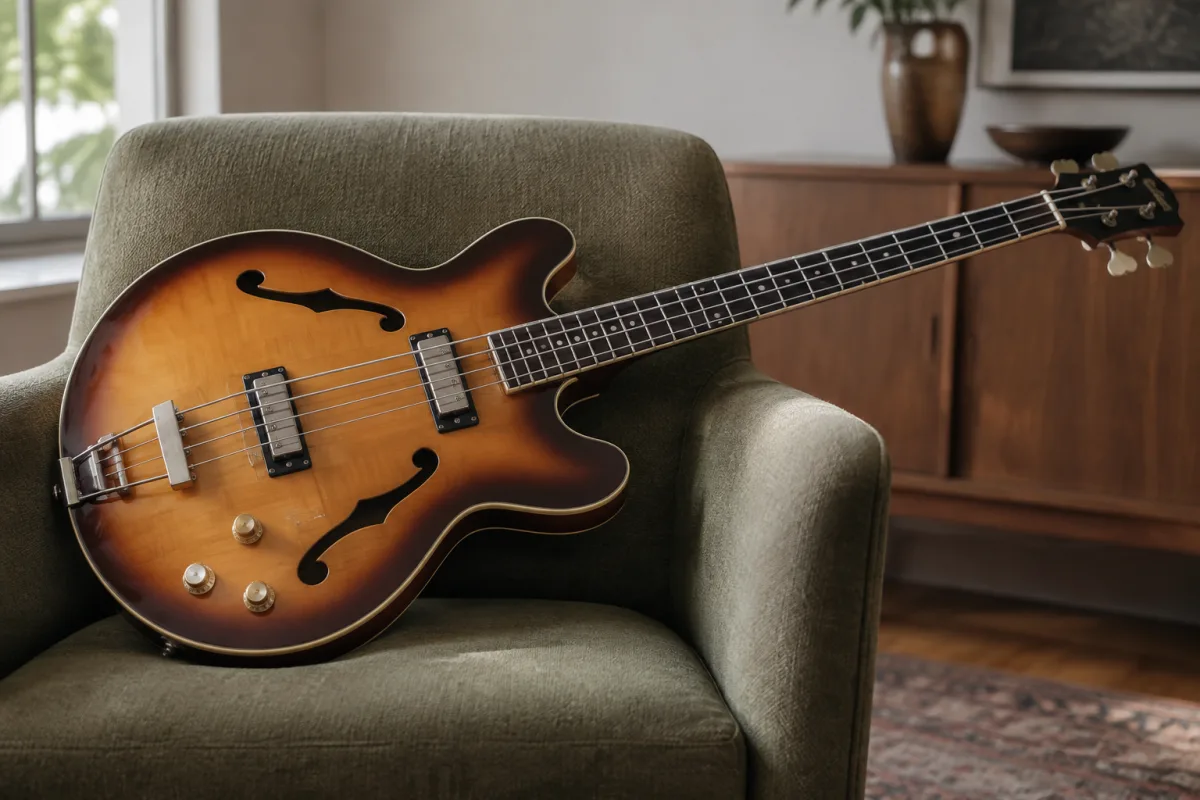
Hollow body electric basses occupy a distinctive niche within the bass world, offering a sonic character and aesthetic appeal that solid-body instruments cannot match. With origins tracing back to early jazz and rock traditions, hollow body electric basses deliver warm, resonant tones emphasised by their acoustic chambers, creating a playing experience fundamentally different from modern solid-body alternatives. Whether you're exploring jazz traditions, seeking vintage character, or simply drawn to the classic aesthetic of hollow body design, understanding the unique qualities and practical considerations of hollow body electric basses enriches your instrumental choices.
The Unique Character of Hollow Body Electric Basses
Hollow body electric basses produce warmer, more resonant tones than solid-body instruments, thanks to the acoustic properties of their wooden chambers. The bass frequencies possess natural emphasis and roundness that players often describe as "woody" or "organic." This tonal character appeals particularly to jazz musicians seeking articulate, punchy bass notes and vintage rock enthusiasts drawn to the sonic character of classic rock recordings. The guitar body's inherent resonance adds subtle complexity to amplified sound—even through modern amplification, you hear the instrument's acoustic character.
Historical Context and Jazz Heritage
Hollow body electric bass design emerged during jazz music's golden age. Early pioneers like Oscar Pettiford and Ray Brown performed on acoustic upright basses before transitioning to semi-hollow electric instruments. Fender's Precision Bass, whilst essentially solid-body architecture, spawned hollow body variants. Epiphone Casino, Fender Coronado, and Gibson EB-2 represent classic hollow body designs reflecting mid-20th-century aesthetics and engineering priorities. These instruments remain associated with particular jazz and rock styles, and contemporary players seeking authentic vintage tones frequently gravitate toward hollow body designs.
Construction and Acoustic Design
Hollow body electric basses feature wooden chambers beneath the topwood layer, with f-holes (acoustic ports) allowing air to move in response to string vibrations. This acoustic resonance chamber interacts with amplifier signal processing, creating sonic complexity difficult to replicate on solid-body instruments. The wood choice, chamber size, f-hole design, and top wood thickness all influence tone—variations across manufacturers and models produce surprising sonic diversity within the hollow body category.
Tonal Characteristics Across Styles
Jazz musicians particularly favour hollow body basses for their warmth and vintage character. Rock musicians employ them for retro aesthetic and warm tone complementing vintage amplifiers. Blues bassists appreciate the midrange emphasis facilitating rhythmic clarity. Contemporary players sometimes use hollow body basses for hybrid approaches, pairing vintage instruments with modern amplification for distinctive sonic blending. The instrument's tonal flexibility—warmer than solid-body when played acoustically, shapeable via amplification—enables application across genres.
Notable Hollow Body Electric Bass Models
Several classic hollow body designs remain popular:
- Epiphone Casino Bass — A semi-hollow design offering the Casino's distinctive warmth and Beatle-era aesthetic. Relatively affordable and readily available, making it an excellent entry point for hollow body exploration.
- Fender Coronado — A full-hollow design from the 1960s offering warm, resonant tone appreciated by jazz and R&B musicians. Vintage examples command premium prices; modern reproductions offer more affordable access.
- Gibson EB-2 — An iconic semi-hollow bass with distinctive styling and warm tone. Vintage EB-2s remain highly sought by collectors; contemporary reproductions provide modern playability.
- Höfner Violin Bass — Famous as Paul McCartney's instrument, the Höfner offers distinctive warm, woody tone and elegant aesthetic. Premium pricing reflects cultural significance and vintage collectibility.
- Ibanez Artcore Semi-Hollow — Modern semi-hollow designs at accessible prices, offering hollow body character without collector's item pricing. Excellent for exploring hollow body tone without substantial investment.
Semi-Hollow versus Full-Hollow Design
Semi-hollow designs feature a center block of solid wood running lengthwise through the body, combining hollow body resonance with solid-body stability and feedback resistance. Full-hollow designs employ entirely hollow chambers, producing maximum resonance but requiring careful amplification to avoid feedback issues. For live performance, semi-hollow designs typically prove more practical, whilst studio recording often favours full-hollow instruments where feedback control is manageable.
Playability and Comfort Considerations
Hollow body basses tend to be heavier than comparable solid-body instruments due to wood mass and acoustic engineering. Weight distribution varies substantially across designs—some hollow bodies balance comfortably whilst others demand significant shoulder and neck support. Vintage designs often emphasised aesthetics over ergonomic comfort by modern standards. Test playing positions and sustained playing comfort carefully before committing to purchases, particularly regarding vintage models where modern ergonomic standards weren't priorities.
Amplification and Feedback Management
Hollow body basses require thoughtful amplification choices to avoid feedback issues. The acoustic chamber resonates at specific frequencies, creating feedback potential when amplifier output drives these resonances. Experienced players employ feedback-resistant amplifiers, careful EQ shaping, and sometimes foam muting beneath bridge covers to control resonance. Understanding your amplification system and developing control techniques represents essential knowledge when adopting hollow body instruments.
Vintage versus Modern Hollow Body Basses
Vintage hollow body basses command premium prices reflecting historical significance, rarity, and perceived tonal superiority. However, modern manufacturers including Epiphone, Ibanez, and boutique builders produce contemporary hollow body designs with modern construction standards and playability improvements. These contemporary instruments offer excellent value and potentially superior ergonomics compared to decades-old designs. The choice between vintage collectibles and modern reproductions reflects budget, aesthetic preferences, and practical playability priorities.
Cost and Value Considerations
Budget hollow body basses like the Epiphone Casino cost £300–£600, providing genuine hollow body character at accessible prices. Mid-range semi-hollow options cost £600–£1,500. Vintage classics like Fender Coronados and Gibson EB-2s range from £800 (used) to several thousand for collectible examples. Boutique and custom hollow body basses exceed £2,000–£4,000. Consider your budget alongside practical amplification needs and intended musical applications.
The Bottom Line
Hollow body electric basses represent a distinctive instrument category offering tonal warmth, aesthetic appeal, and connection to jazz and rock traditions. Their acoustic resonance creates playing experiences fundamentally different from solid-body instruments, rewarding players with musical sensitivity and creative amplification approaches. Whether pursuing authentic jazz tone, vintage rock character, or simply exploring instrumental possibilities beyond solid-body conventions, hollow body electric basses deserve serious consideration. Choose carefully based on tonal preferences, amplification capabilities, and practical playability factors—the rewards of mastering these instruments justify the additional complexity they entail.


Comments