
Squier Fender Precision Bass article
The Complete Guide to Squier Fender Precision Bass
The Squier Fender Precision Bass brings legendary tone to budget-conscious players. Discover why it remains an excellent choice for beginners.
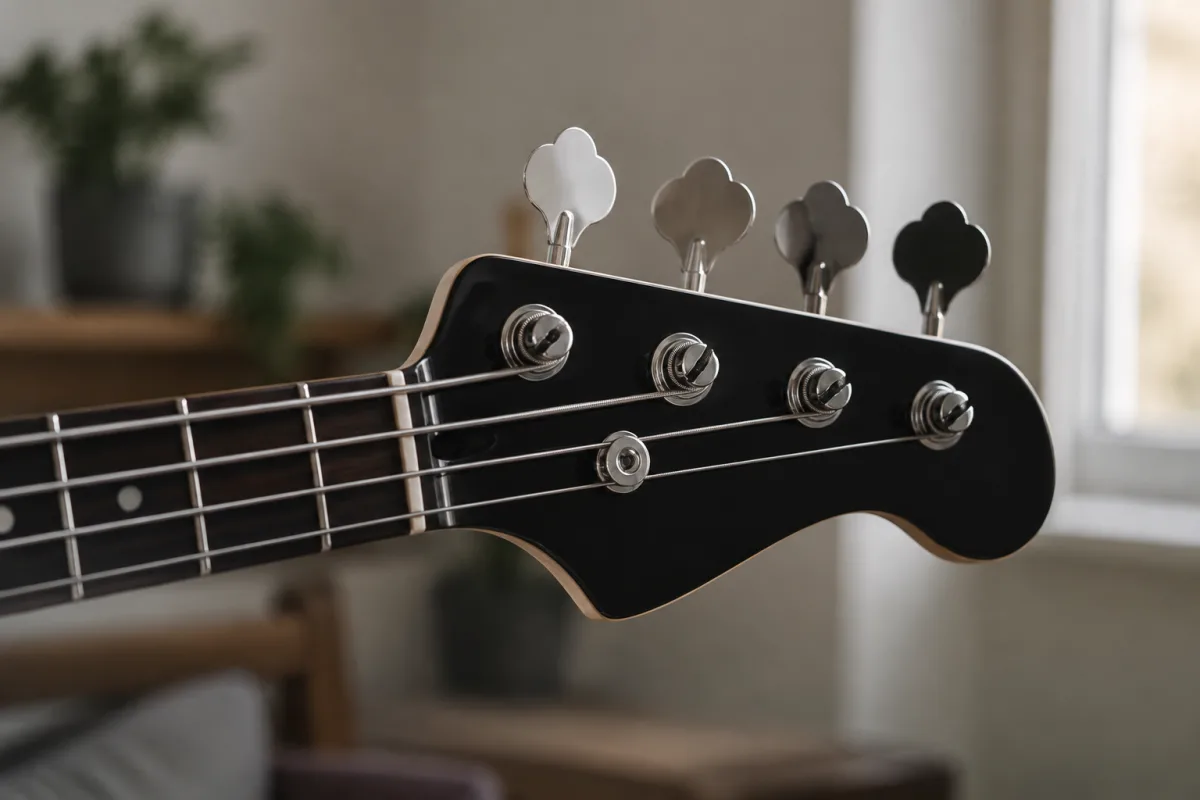
The Squier Fender Precision Bass has democratised bass playing, bringing the legendary tonal qualities of a Fender instrument within reach of beginning musicians and budget-conscious players. Often overlooked in favour of its more expensive Fender counterpart, the Squier version delivers genuine playability and respectable tone at a fraction of the price. For many bassists, a Squier Precision represents an ideal entry point into serious bass playing.
Fender's Legacy and Squier's Place
Fender created the Precision Bass in 1951, fundamentally changing how bass players approached their instrument. The solid body design provided unprecedented sustain and tonal consistency compared to acoustic basses. Leo Fender's innovation became the gold standard that other manufacturers still measure themselves against today.
Squier, initially a manufacturer of tuning pegs and machine heads, was acquired by Fender in 1965. Rather than competing directly with Fender's premium instruments, Squier developed into Fender's affordable instrument line. This strategy positioned Squier as the accessible alternative without trying to match the Fender brand's prestige.
Understanding Squier Precision Bass Models
Squier manufactures several Precision Bass variants at different price points. Entry-level models prioritise affordability and basic functionality. Mid-range versions add improved electronics and hardware quality. High-end Squier models approach the specifications of genuine Fender instruments whilst maintaining lower prices through manufacturing efficiency.
The classic Precision Bass design remains relatively unchanged, giving newer players instant familiarity with the instrument's layout and controls. You'll find a single split-coil pickup, straightforward volume and tone controls, and a solid body favoured by both beginners and touring professionals.
Sound Characteristics
The Precision Bass's tone delivers punchy, articulate low-end frequencies. The split-coil design reduces hum whilst capturing the defined low-frequency response that defines classic rock and funk bass playing. Players appreciate the clarity and punch, making it suitable for virtually every musical genre.
Squier versions capture these tonal characteristics convincingly. Whilst premium Fender instruments might offer marginally superior midrange clarity or higherquality hardware longevity, the core Precision sound translates effectively into affordable instruments. A bassist learning at Squier prices still hears the essential character that made Precisions legendary.
Build Quality and Durability
Entry-level Squier Precision Bass models use solid wood bodies and bolt-on maple necks. These construction methods have proven reliable for decades, requiring only basic maintenance. The straightforward design means fewer complex electronics prone to failure.
Hardware quality varies between models. Budget versions use serviceable but basic tuning machines and bridge components. Higher-end Squiers include upgraded hardware that competes directly with mid-range Fender instruments. Most players find the hardware adequate for learning and casual performance.
Fretwork and neck finish quality on Squiers has improved significantly in recent years. Contemporary models feature properly dressed frets and smooth finishes comparable to instruments costing twice the price. These improvements mean players need not compromise on playability despite paying entry-level prices.
Choosing Your First Bass
Affordability makes Squier Precision Bass models compelling choices for beginning bassists. Investing £150-300 in a Squier leaves money for proper amplification and instruction—essentials that matter far more for learning than owning the most expensive bass available.
Resale value remains respectable. Should you eventually graduate to premium instruments, a well-maintained Squier Precision Bass commands reasonable prices in the used market. This accessibility encourages beginners to experiment without fearing catastrophic financial loss.
Size and weight suit players of various builds. Standard Precision basses measure approximately 46 inches long with moderate body depth. Squier offers compact versions for smaller framed players, ensuring everyone can find a comfortably-sized instrument.
Upgrading Your Squier
Many experienced bassists maintain Squier Precision Bass instruments despite owning premium alternatives because they prove so reliable and playable. Simple modifications can enhance performance: upgrading electronics, replacing the bridge or installing better tuning machines all yield noticeable improvements at modest cost.
Surprisingly, professional touring musicians occasionally use well-maintained Squier Precision Bass models. The legendary tone and straightforward electronics mean the instrument fundamentally works regardless of price point. Some respected players specifically choose budget instruments to reduce concerns about theft or damage during travel.
Conclusion
The Squier Fender Precision Bass represents genuine value for beginning bassists and budget-conscious players. It delivers the iconic Precision tone in a reliable, playable package without demanding premium prices. Whether you're taking your first steps into bass playing or seeking an affordable working bass, a Squier Precision Bass provides the solid foundation that has served countless excellent musicians throughout its decades of existence.


Comments