


Epiphone Bass Guitar Buying guide
Epiphone Bass Guitar: A Complete Buyer's Guide
Buying an Epiphone bass guitar requires understanding what specs matter and where buyers go wrong. This practical guide covers playability, price tiers, common pitfalls, and a final checklist for smart purchasing decisions.
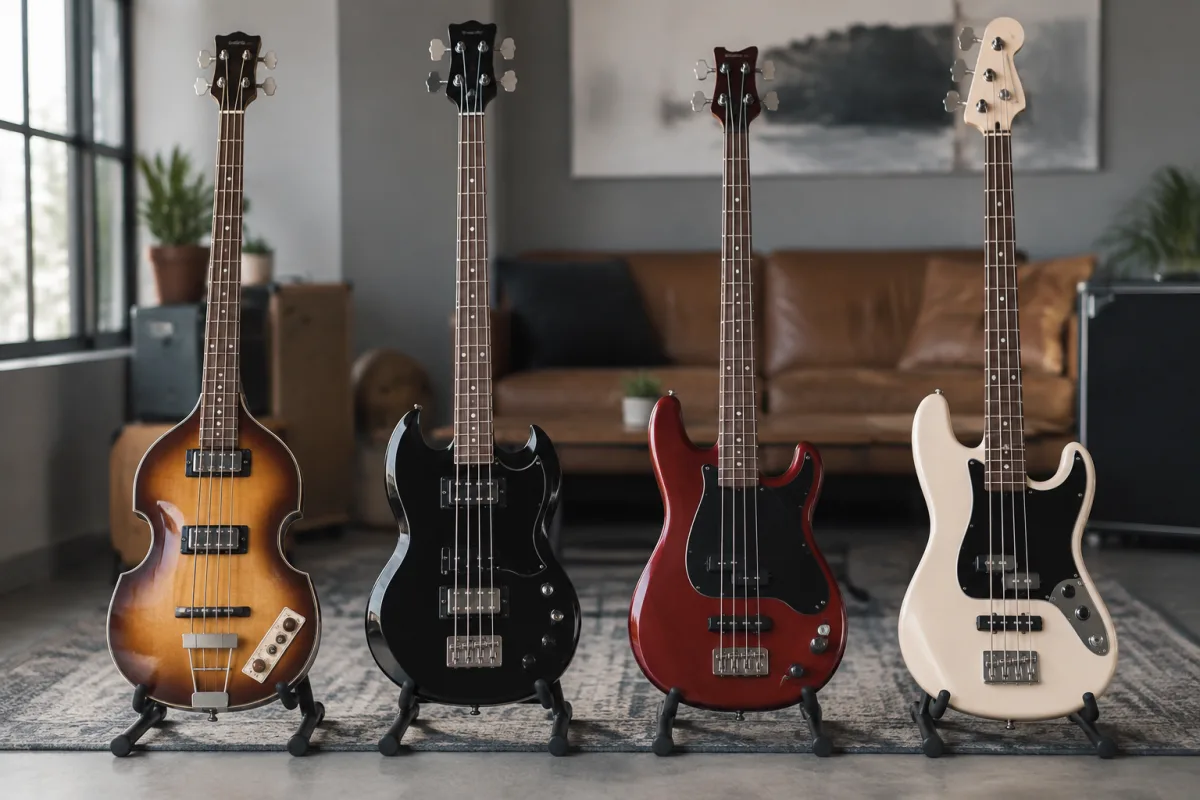
Buying your first Epiphone bass guitar or upgrading to a new model requires understanding what specs actually matter and where common buyers stumble. Whether you're eyeing a budget-friendly starter or investing in a professional-grade instrument, this guide walks you through the selection criteria that separate a smart purchase from a regrettable one.
Understanding Epiphone Bass Guitar Body Types
Epiphone produces bass guitars in several body styles, each with distinct tonal characteristics and ergonomic implications. The solid body design dominates Epiphone's lineup—think Thunderbird, EB, and SG bass models—offering bright, punchy tones and excellent feedback control onstage. These are ideal if you play rock, metal, or any genre demanding clarity and sustain.
Semi-hollow body Epiphones exist but are rarer in their bass range; when available, they deliver warmer, more resonant tones suited to jazz and vintage styles. If you've found a semi-hollow option, factor in that it typically costs more and demands careful handling to avoid feedback issues in amplified settings.
What to Check Before You Buy: The Critical Specs
Beyond aesthetics, five technical specifications determine whether an Epiphone bass guitar suits your needs and budget:
- Pickup Configuration: Most Epiphone basses feature either single or dual pickups. Single pickups (typically P-bass style) are versatile and beginner-friendly; dual pickups offer tonal variety but add complexity. Check whether the pickups are active (require a battery, more control, higher output) or passive (simpler, warmer tone).
- Scale Length: Standard is 34 inches for 4-string models, though 5-string and 6-string Epiphones extend this. Confirm this matches your hand size and playing style—shorter scales suit smaller players or fretless work.
- Fretboard Material: Rosewood and ebony appear on most Epiphone basses. Rosewood is durable and warm; ebony is harder and brighter. Both require regular cleaning but perform reliably for years.
- Hardware Quality: Look at bridge type (Epiphone typically uses bridges suited to their body style), tuning machine stability, and whether the strap buttons are reinforced. Poor hardware is a false economy and leads to repair costs.
- Electronics Quality: Budget Epiphone models sometimes cut corners on potentiometers and switches. Feel for smooth, quiet adjustments when turning knobs; scratchy or loose controls hint at cost-cutting that may fail.
Price Tiers and What You Actually Get
Epiphone bass guitars cluster into three price ranges, each representing different quality expectations:
Entry-Level (Under £300): Models like the Epiphone EB-3 and certain Thunderbird variants occupy this tier. They're functional for practice and learning but feature thin wood, basic electronics, and hardware prone to drift. Ideal only if you're committing to bass as a long-term hobby or expect to resell quickly. Expect to replace or upgrade components within 2-3 years.
Mid-Range (£300-£700): This is where Epiphone delivers genuine value. Models receive better wood selection, improved pickup quality, and more reliable hardware. These instruments hold their resale value and can serve professionals in smaller venues. This range suits players serious about their craft but conscious of budget.
Premium (£700+): Higher-end Epiphone basses approach the quality threshold where you're paying for consistency, fretwork precision, and premium electronics. These compete favourably with entry-level Gibsons and suit gigging musicians who demand dependable playability night after night.
Common Buyer Mistakes to Avoid
First-time buyers often make predictable errors when selecting an Epiphone bass guitar. Avoid these pitfalls:
- Underestimating Setup Costs: A new bass may require a professional setup (bridge height, truss rod adjustment, intonation). Budget an additional £50-£100 for this essential step, which dramatically improves playability and string life.
- Ignoring Weight: Some Epiphone models, particularly older Thunderbirds, are notoriously heavy. If you'll be gigging, test the instrument before committing. A 4.5kg bass wears on your back over a 2-hour set.
- Dismissing Finish as Cosmetic: Finishes affect sustain and maintenance burden. Thick polyurethane finishes on higher-end models are more durable; thin finishes on budget options scratch easily and can chip, exposing wood to weather and rot.
- Skipping an In-Person Audition: Online photos lie. Visit a shop if possible to feel the neck profile, weight distribution, and pickup responsiveness. Different body wood (mahogany vs. plywood) changes tone significantly.
- Buying Solely on Brand Loyalty: Epiphone's reputation is solid, but every model varies. A stellar Epiphone EB can outperform a dud Thunderbird from the same maker. Play several examples.
Assessing Action, Neck, and Playability
When examining an Epiphone bass guitar in person, focus on playability specifics that affect your daily experience. Check neck straightness by sighting down the fretboard toward a light source; any significant bow requires professional adjustment. Press the first and last frets simultaneously to assess relief—there should be slight clearance at the midpoint.
Action (string height) significantly impacts ease of play. Epiphone typically ships with moderate action; if it's too high, fretting becomes fatiguing, and intonation suffers. Too low, and the strings buzz against frets. A properly set-up bass plays comfortably without buzz, even during aggressive playing.
Fret wear on used Epiphones is worth inspecting. Light wear is cosmetic; deep divots along the high-play areas (12th fret region) indicate the bass needs a professional refret, a costly repair costing £200-£500.
New vs. Used: Cost-Benefit Analysis
Used Epiphone bass guitars are available and often represent good value, but require careful evaluation. A secondhand mid-range model, properly maintained, might cost 40-50% less than new whilst delivering 80% of the playing experience. However, inspect for:
- Evidence of impact damage or finish cracks (structural integrity)
- Electronic crackling or complete failure (repair cost: £100-£300)
- Truss rod function (stripped rods are expensive to address)
- Fret condition and neck stability
New instruments come with manufacturer warranty, typically one year, covering defects in materials and workmanship. This safety net makes new Epiphones appealing if your budget stretches to mid-range pricing.
Integration with Your Setup
An Epiphone bass guitar doesn't exist in isolation—consider how it pairs with your amplifier and cables. Most Epiphone models use a standard 1/4-inch jack; ensure your amp's input and cable quality match the instrument's price tier. A £500 bass plugged into a cheap cable and underpowered amp won't sound its best.
If you're upgrading from another bass, think about tonal consistency with your existing gear. Switching from an active 5-string to a passive 4-string Thunderbird means adjusting your amp's EQ and playing dynamics.
Warranty, Setup, and After-Purchase Considerations
Before completing your purchase, confirm warranty coverage with the retailer. Most Epiphone basses include a one-year manufacturer warranty; premium models sometimes extend to two years. Understand what's covered: defects in wood, finish, and electronics typically are; damage from dropping or improper setup is not.
Many retailers offer in-store setup or can recommend a trusted technician. Taking advantage of this immediately after purchase ensures your new Epiphone bass guitar arrives at playable standard, maximising your satisfaction and resale value.
Finding the Right Model for Your Genre and Budget
Your musical context shapes which Epiphone bass guitar suits you. Rock and metal players favour Thunderbirds and EB-3s for their aggressive tone; jazz-oriented players on a budget might seek out the rare semi-hollow options or look to warmer-voiced competitors. Metal players appreciate the punchy, sustained tone of Epiphone's solid bodies; session and cover-band players benefit from the versatility of dual-pickup models.
If your genre demands vintage tone (classic rock, Motown), an Epiphone P-bass style with a single split pickup delivers iconic sound without vintage-instrument price tags. Slap bass players appreciate the snap and articulation from the brighter Thunderbird voicing.
For further exploration of Epiphone's bass range, see our ultimate guide to Epiphone Thunderbird IV bass guitars, which delves deeper into one of their most popular models.
Final Checklist Before Checkout
As you near your purchase decision, verify this essential checklist:
- Playability tested in person (or return policy confirmed for online purchase)
- Hardware, electronics, and frets visually inspected
- Warranty documentation reviewed
- Setup costs factored into your total budget
- Model's resale value and availability of replacement parts confirmed
- Strap, cable, and case budget allocated separately
Buying an Epiphone bass guitar is an investment in your musical journey. By understanding the specs that matter, avoiding common pitfalls, and selecting a model aligned with your genre, budget, and playability needs, you'll make a choice you'll enjoy for years to come. Whether you opt for a budget-friendly starter or a premium model, Epiphone's track record suggests your purchase will serve you reliably, deliver authentic bass tone, and hold its value on the secondhand market.


Comments