


Electronic Bow for Guitar article
The Complete Guide to Electronic Bow For Guitar
A comprehensive guide to electronic bow technology for guitarists, covering techniques, sound characteristics, and how to integrate bowing effects into your playing.
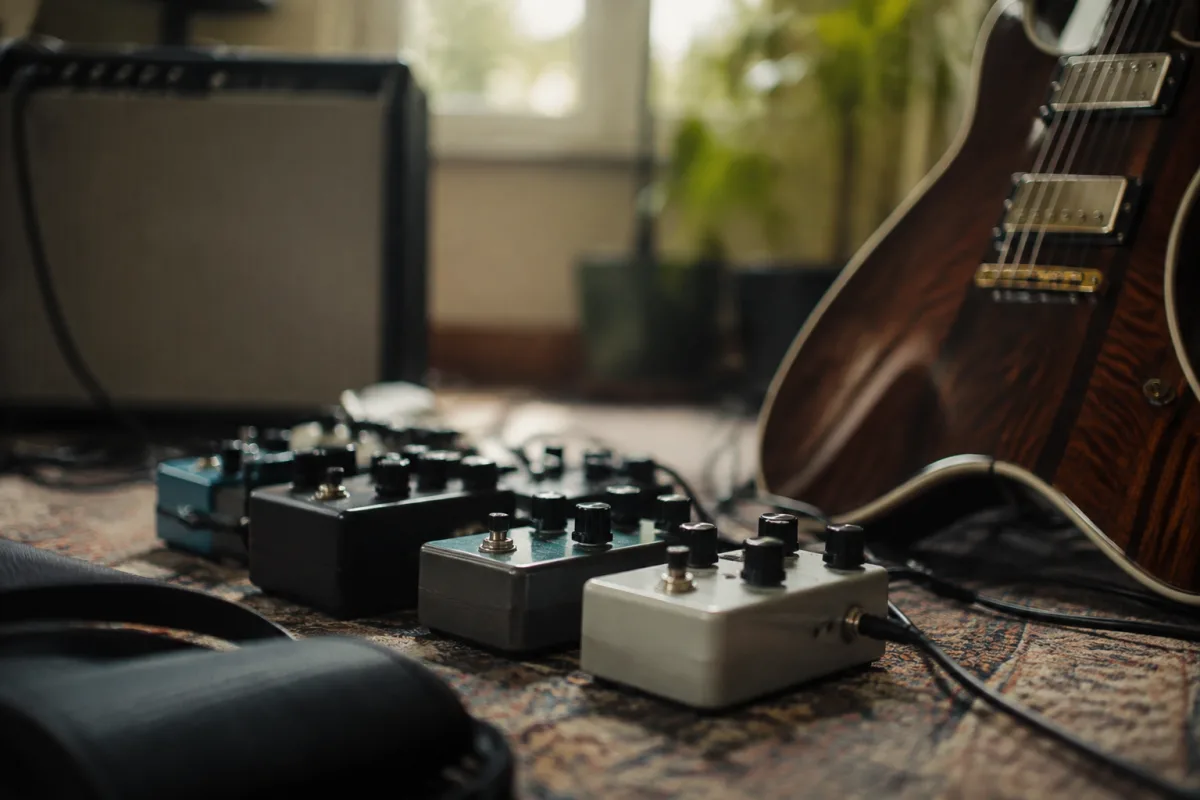
An electronic bow for guitar represents a fascinating evolution in guitar playing techniques, offering players entirely new sonic possibilities. This innovative device transforms how guitarists approach tone production, enabling expressive effects that traditional playing methods cannot achieve. Whether you're exploring experimental music, seeking new textural elements for your arrangements, or pushing the boundaries of electric guitar capabilities, an electronic bow for guitar opens creative doors worth exploring.
Understanding the Electronic Bow
An electronic bow for guitar works by using electromagnetic induction to vibrate the guitar strings, similar to how a traditional cello bow moves across strings. Unlike acoustic bows requiring physical contact, the electronic bow maintains consistent amplitude and frequency regardless of amp settings. This allows players to achieve sustained, controlled tones with minimal finger movement.
Sound Characteristics
The electronic bow for guitar produces ethereal, sustained tones reminiscent of synthesiser pads, violins, or bowed cellos. Players can achieve smooth transitions between notes, swell effects, and textures impossible with conventional picking or fingerstyle. The bow creates atmospheric soundscapes perfect for ambient music, experimental rock, or modern classical compositions.
Popular Applications
Electronic bow techniques appear throughout contemporary music. From experimental guitarists in avant-garde ensembles to rock and metal musicians seeking textural variety, the electronic bow expands creative possibilities. Recording studios use bow effects for soundtrack work and special effects. Educational settings incorporate electronic bow exploration in experimental music classes.
Technical Specifications
Quality electronic bow models feature adjustable vibration frequency, amplitude controls, and responsive pickup systems. Most require a standard electric guitar with working pickups and connect directly to your amplification. Power sources vary from battery-powered portable units to mains-powered studio equipment. Look for models offering intuitive controls and reliable performance through extended playing sessions.
Learning and Technique
Mastering the electronic bow for guitar requires adjustment time, as the playing technique differs significantly from traditional methods. Hand positioning, amplitude modulation, and frequency control all demand practice and experimentation. Most players develop their own approaches based on their musical goals and creative vision. Online tutorials and experimental musicians' demonstrations provide guidance for newcomers.
Integration with Your Setup
An electronic bow for guitar integrates smoothly into most guitar rigs. Simply connect to your existing amp, adjust settings, and begin exploring. Many players use the bow alongside conventional playing, switching between techniques based on musical requirements. Some combine electronic bow effects with effects pedals for enhanced creativity.
Conclusion
Exploring an electronic bow for guitar opens creative possibilities that extend your musical expression. Whether seeking ambient textures, experimental effects, or completely new playing dimensions, this device delivers unique sonic results. The electronic bow transforms your guitar into a versatile instrument capable of sounds beyond traditional expectations, making it an exciting addition to any experimental musician's toolkit.


Comments