
Electric Bass and Amp article
The Complete Guide to Electric Bass And Amp
Electric bass and amp systems form the foundation of modern rhythm sections, delivering the low-frequency power and control essential to contemporary music production.
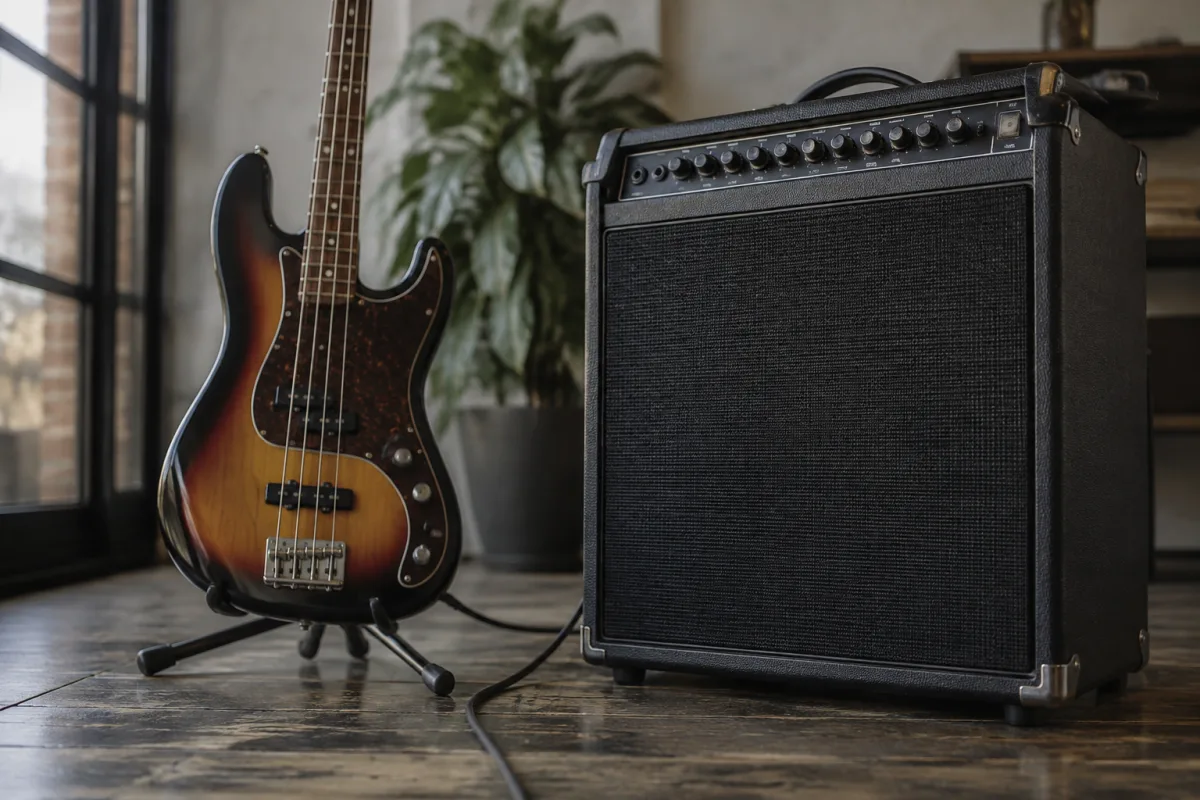
An electric bass and amp combination forms the foundation of modern bass playing, delivering the low-frequency power, presence and control that define contemporary music production. A bass guitar alone produces relatively quiet tones that vanish in a band mix; pairing it with a dedicated bass amplifier transforms the instrument into a commanding, articulate voice capable of driving rhythm sections and carrying audiences. Whether you're building your first bass rig, upgrading to professional touring equipment or establishing a permanent studio setup, understanding the interplay between your bass guitar and its amplifier is essential to achieving the sound you envision.
The Role of Bass in Modern Music
In any ensemble—rock, funk, jazz, metal, electronic or any other genre—the bass occupies a critical sonic space between drums and melodic instruments. The electric bass and amp combination produces the frequencies that listeners feel in their bodies, driving the groove and providing harmonic foundation. Audiences may not consciously register bass lines, but they sense their absence immediately; a well-played bass with proper amplification locks the rhythm section together and propels the entire performance.
The electric bass and amp evolved together. Early bass players used whatever amplifiers were available—guitar amps, which worked poorly for bass frequencies, or professional PA systems, which offered no control. Dedicated bass amplifiers emerged in the 1960s and have become increasingly sophisticated, offering the tone shaping, effects processing and portability essential to modern bass playing.
Understanding Bass Amplification Principles
A bass amplifier differs fundamentally from a guitar amp, even though they appear superficially similar. Bass frequencies demand significant amplifier power and speaker design specifically optimised for low-frequency reproduction. A 50-watt bass amplifier typically sounds far more powerful than a 50-watt guitar amp because bass frequencies require more energy to reproduce convincingly.
A professional electric bass and amp setup comprises several components working together. The bass guitar's pickups convert string vibrations into electrical signals. The amplifier receives these signals, shapes them through tone controls and effects, and drives a speaker cabinet designed to reproduce bass frequencies without distortion or loss of definition. Understanding each component's role helps you make informed purchasing and setup decisions.
Amplifier Wattage and Headroom
Bass amplifier wattage ranges from compact 25-watt practice amps up to massive 1000+ watt touring systems. Wattage indicates the amplifier's maximum power output—higher wattage generally means louder potential volume and better handling of dynamic peaks without distortion.
For bedroom practice, a 20–50 watt combo amp—an integrated unit combining amplifier and speaker—is sufficient. For rehearsals and small venues, 100–300 watts is appropriate. For touring bands and larger venues, 300–500 watts ensures clean headroom—the ability to play dynamic passages without the amplifier distorting or compressing the signal. Professional touring setups often exceed 500 watts, with some exceeding 1000 watts for outdoor festivals and large halls.
The golden rule: choose more amplifier power than you think you need. A powerful amp running at moderate levels sounds cleaner and more dynamic than an underpowered amp straining to produce volume. Headroom translates to clarity and control—the hallmark of professional bass tone.
Speaker Cabinet Design and Frequency Response
The speaker cabinet is equally important as the amplifier itself. Bass frequencies require large speaker cones and acoustic cabinet design to reproduce accurately. A bass cabinet typically contains one or more woofers—larger speaker cones optimised for low frequencies—combined with smaller tweeters for midrange and high-frequency clarity.
Common bass cabinet sizes include 1×15" (one 15-inch woofer), 2×10" (two 10-inch woofers), 4×10" (four 10-inch woofers) and 1×18" designs. Larger drivers generally reproduce deeper frequencies with more impact, whilst multiple smaller drivers offer faster response and more detailed midrange tone. Professional electric bass and amp rigs often combine multiple cabinets to balance deep bass, articulate midrange and punchy attack.
Impedance matching between amplifier and speaker cabinet is essential. Most bass amplifiers are rated for 4-ohm loads; using the wrong impedance can damage the amplifier or produce poor tone. Always verify your amplifier's rated impedance and match it to your speaker cabinet.
Combo Amps vs. Head and Cabinet Systems
Bass players choose between two main configuration types. A combo amplifier integrates the amplifier and speaker into a single unit—convenient, portable and self-contained. Combo amps work well for practice and small gigs but typically offer limited tone customisation and speaker flexibility.
A head-and-cabinet system separates the amplifier (head) from the speaker cabinet. This approach offers greater flexibility—you can mix and match amplifier heads with different cabinets, experiment with tone shaping, and scale your system from compact rehearsal rigs to large touring setups. Professional touring bass players almost universally favour head-and-cabinet systems for this flexibility and modularity.
Tone Shaping and Controls
Most electric bass and amp combinations include tone controls allowing extensive customisation. A three-band EQ (bass, midrange, treble) shapes the fundamental tonal character. Beyond basic EQ, professional amplifiers include compression, which evens out dynamic peaks and tightens the low end, and often sophisticated multi-band EQ for surgical tone tweaking.
Drive or gain circuits add harmonic saturation, allowing bass players to achieve the distortion and grit popular in rock, metal and experimental genres. Auxiliary effects like delay and reverb, increasingly common on modern amps, further expand sonic possibilities.
Portability and Durability
A practical electric bass and amp setup balances tone quality with portability. A vintage tube amplifier might produce legendary tone but weighs 50+ kilograms and requires careful transport. Modern solid-state and hybrid amplifiers deliver professional tone in packages weighing 10–25 kilograms—manageable for gigging musicians.
Quality construction ensures durability. Professional-grade amplifiers are built to withstand touring abuse: dropping, vibration, temperature extremes and thousands of operating hours. Budget equipment often develops component failures after a few years of heavy use. The extra investment in quality equipment pays dividends through years of reliable service.
Different Amp Designs: Solid-State, Tube and Hybrid
Bass amplifiers use three fundamental technologies. Solid-state amps employ transistor circuitry, delivering reliable, lightweight amplification with consistent tone. Most modern bass amps are solid-state, valued for their affordability and durability.
Tube (valve) amplifiers use vacuum tubes to amplify the signal, prised by audiophiles and vintage-equipment enthusiasts for their warm, organic tone colouration. Tube amps sound excellent but are heavier, run hotter, require more maintenance and command premium prices.
Hybrid amplifiers combine tube preamps (the tone-shaping stage) with solid-state power amps (the high-power output stage), offering warmth and tone character of tubes with the reliability and lightness of solid-state power sections. Many professional touring bassists favour hybrid designs for this balance.
Building Your First Electric Bass and Amp Setup
Starting bassists should begin with an affordable combo amp—£200–500 for a decent beginner setup. As you develop skill and commitment, upgrade to a more powerful head and cabinet combination, which typically costs £800–2,000 for mid-range equipment and £2,000–5,000+ for professional-grade systems.
Consider your typical playing environment. Will you be playing bedroom practise only, rehearsing with a band, or playing live gigs? Each scenario calls for different amplification. A small combo suits practise and acoustic rehearsals; a 200–300 watt head with a 2×10" or 4×10" cabinet works for most band rehearsals and smaller venues; touring musicians favour 500+ watts with multiple cabinets for flexibility and sonic authority.
Amplifier Maintenance and Care
A well-maintained electric bass and amp system lasts decades. Keep amplifiers clean, allow adequate ventilation around cooling vents, and avoid excessive heat and moisture. Tube amplifiers require occasional tube replacement—typically every 3–5 years of regular use. Solid-state amps rarely require component replacement if treated reasonably.
Speaker cones eventually age and may develop tears or stiffness; quality replacement speaker drivers cost £100–300 and restore performance. Professional touring rigs commonly operate for 10+ years with basic maintenance and occasional component refreshes.
Conclusion
An electric bass and amp combination is far more than equipment—it's the voice that connects a bass guitarist's intentions to the listener's experience. The interaction between your instrument, amplifier tone shaping, and speaker system's acoustic characteristics creates the foundation of modern rhythm sections. Whether you're starting your bass journey or upgrading to professional equipment, investing in a quality electric bass and amp setup—chosen carefully for your needs and maintained diligently—rewards you with years of musical satisfaction and professional capability.



Comments