


Dd 500 Pedal Buying guide
Dd 500 Pedal: A Complete Buyer's Guide
The Boss DD-500 delay pedal represents professional-grade effects processing in a compact format. Understanding its strengths and learning curve helps you decide if it's the right investment.
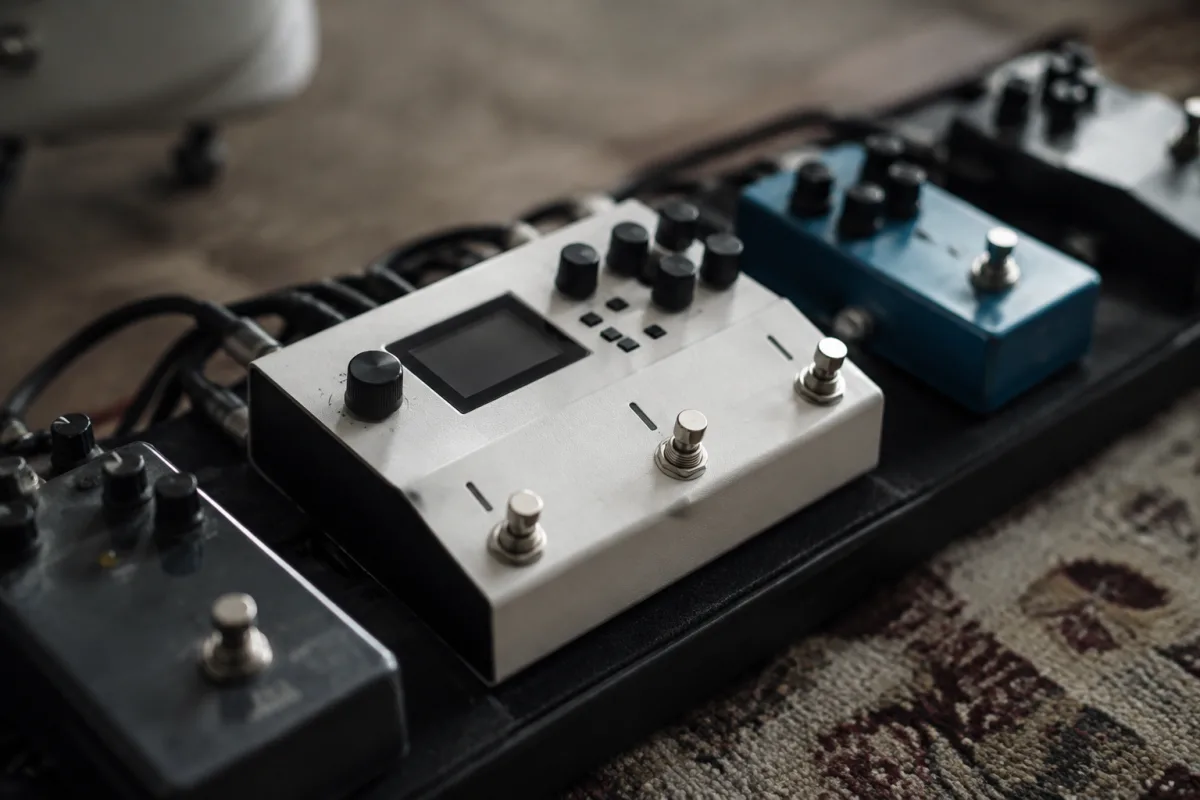
The Boss DD-500 delay pedal represents professional-grade effects processing in a compact format, trusted by touring musicians and studio professionals worldwide. With over a hundred different delay algorithms, advanced routing options, and expression control capabilities, the DD-500 offers creative possibilities far exceeding traditional single-effect delay pedals. However, its complexity and premium pricing demand careful consideration before investing. Whether you're expanding an existing pedalboard, building a professional rig, or upgrading from basic delay units, understanding the DD-500's strengths, learning curve, and genuine value proposition helps you make an informed purchasing decision.
Understanding the DD-500's Professional Feature Set
The Boss DD-500 isn't a simple delay pedal—it's a comprehensive delay workstation. The unit includes over 100 unique delay algorithms, from classic tape delays to lo-fi bit crushers and experimental modulated effects. Dual delays run simultaneously, enabling layered soundscapes impossible with single-effect units. Expression control via an integrated footpedal allows real-time modulation of effects parameters during performance. Advanced routing options include parallel processing chains and send/return loops accommodating external gear integration. The built-in looper captures up to 38 seconds of performance, facilitating on-the-fly composition and layering. These professional features appeal to experimental musicians, ambient artists, and touring professionals who require creative flexibility beyond basic delay functionality.
Comparing DD-500 to Alternative Delay Solutions
Understanding the DD-500's positioning against alternatives clarifies whether it justifies its premium price. Traditional single-delay pedals (£150–£300) offer proven, straightforward delay with limited customisation—suitable for players wanting reliability over flexibility. Multi-effects processors (£500–£2000) like Fractal Audio or Kemper provide comprehensive effects suites but are significantly larger and more complex. Smaller delay pedals with modest algorithms (£200–£400) represent a middle ground offering more features than basic units but less creativity than the DD-500. The DD-500 occupies a unique position: comprehensive effects depth approaching multi-effects units, packaged in a pedalboard-friendly format, at a price (£500–£600 typical) justifying its capabilities for serious players. Understanding where you sit in this spectrum determines whether the DD-500 represents compelling value or unnecessary complexity.
Learning Curve and Workflow Considerations
The DD-500 isn't intuitive for players transitioning from basic delay pedals. The interface features small buttons, a small LCD screen, and nested menu structures requiring significant time to master. Professional users report requiring 20–30 hours of dedicated exploration to competently navigate the interface and programme useful presets. Players expecting simple delay functionality will find the DD-500 frustrating. However, once you develop familiarity, the workflow becomes manageable and remarkably efficient. The expression pedal provides real-time control, and editing presets on-the-fly becomes natural. If you're willing to invest learning time, the DD-500 rewards that investment with creative capabilities no traditional delay can match. If you need immediate gratification and simple delay functionality, frustration awaits.
Sound Quality and Delay Algorithm Assessment
| Delay Algorithm Type | Typical Applications | Best For |
|---|---|---|
| Classic Tape Delays | Warm, organic depth | Rock, psychedelia, vintage tone |
| Digital Delays | Clarity, precision, spaciousness | Modern production, alternative |
| Modulated Delays | Chorus-like effects, dimension | Experimental, ambient, psychedelia |
| Reverse Delays | Ethereal, atmospheric effects | Ambient, post-rock, soundscapes |
| Lo-fi/Granular | Degraded, experimental textures | Avant-garde, glitch, art rock |
The DD-500's algorithm quality is professional-grade. Classic tape emulations sound authentically warm and organic. Digital delays exhibit clean precision. Experimental algorithms deliver genuinely unique textures impossible to achieve with conventional effects. Sound quality justifies premium pricing; you're not paying for brand recognition alone—the electronics and algorithms deliver professional-quality processing. Experienced users report that the DD-500's sound holds its own against much more expensive multi-effects systems, particularly for delay-focused work.
Real-World Performance Reliability
The DD-500 features a solid metal chassis and professional-grade construction. Users report exceptional durability even under touring stress. The footpedal expression control occasionally requires replacement after years of heavy use, but spare parts are readily available and inexpensive. Firmware updates expand functionality periodically, extending the unit's creative capabilities without hardware replacement. Unlike trend-dependent gear, the DD-500 has maintained professional respect since release, suggesting long-term value retention. Resale value remains strong; you can reasonably recoup 60–70% of purchase price if you decide the unit doesn't suit your workflow after testing it.
Integration Within Existing Pedalboards and Rigs
The DD-500 functions excellently as either a standalone unit or integrated into comprehensive pedalboards. The pedal accepts expression control input for additional effects pedals, allowing complex routing and chaining. USB connectivity facilitates editor software for detailed preset programming on computers. The compact footprint (approximately 66cm x 20cm) fits most pedalboards. Some users note that the expression pedal footpedal takes considerable space, requiring pedalboard redesign for optimal integration. If you're building a professional rig with multiple effects, the DD-500 integrates well; if you're starting from scratch, consider whether this level of complexity serves your actual needs.
Price, Value, and Budget Considerations
The DD-500 typically costs £500–£600 new, positioning it at the premium end of delay pedal pricing. Used units sell for £350–£450 depending on condition and included accessories. This investment is substantial for casual hobbyists but reasonable for touring musicians and professionals whose income justifies equipment investment. Rental options exist from specialist retailers if you want to trial the pedal before committing to purchase. Splitting costs with band members or friends is common practice when expensive gear represents ongoing investment. Budget alternative delay pedals (£100–£300) save money but sacrifice the creative flexibility and professional depth the DD-500 provides.
Common Purchasing Mistakes to Avoid
The most frequent mistake is purchasing the DD-500 expecting simple delay functionality immediately available. If you need straightforward delay without learning complexity, frustration results. Another common error is underestimating pedalboard space requirements, then struggling to physically integrate the unit. Additionally, some buyers purchase without confirming their existing equipment's compatibility with expression control and routing. Finally, avoid purchasing used units without thoroughly inspecting them and testing functionality before exchanging money. The DD-500's complexity makes it difficult to diagnose issues without professional testing equipment.
Making Your Final Purchase Decision
Honestly assess whether your actual creative practice benefits from the DD-500's advanced features. If you're experimenting with soundscapes, ambient music, or complex arrangements, the investment becomes clearly justified. If you're seeking basic delay for occasional use, simpler pedals serve better. Try to audition the unit before purchasing if possible—specialist retailers sometimes allow trial periods. Watch tutorial videos and preset demos to understand the interface and workflow. Consider your learning tolerance; if mastering complex equipment frustrates you, accept this limitation and choose simpler alternatives. For comprehensive information about delay effects, pedal recommendations, and guitar gear guidance, explore our complete guide to DD-500 pedal.
Conclusion
The Boss DD-500 represents a genuinely professional delay workstation offering creative capabilities justified by its premium pricing and learning curve. For musicians whose creative practice demands advanced effects processing, the investment becomes clearly worthwhile. The excellent sound quality, comprehensive algorithm variety, and robust construction deliver years of reliable creative exploration. However, casual players and those seeking simplicity should acknowledge the DD-500 brings unnecessary complexity and expense. Honestly assess your creative needs before investing. If you embrace the learning curve and utilise the unit's capabilities, the DD-500 becomes an indispensable part of your creative toolkit, rewarding your investment repeatedly through expanded creative possibilities.


Comments