
Compressor Effect Pedal article
The Complete Guide to Compressor Effect Pedal
A compressor effect pedal controls dynamics and adds sustain to your instrument. Discover how to select the right compressor effect pedal for your playing style and master its settings.
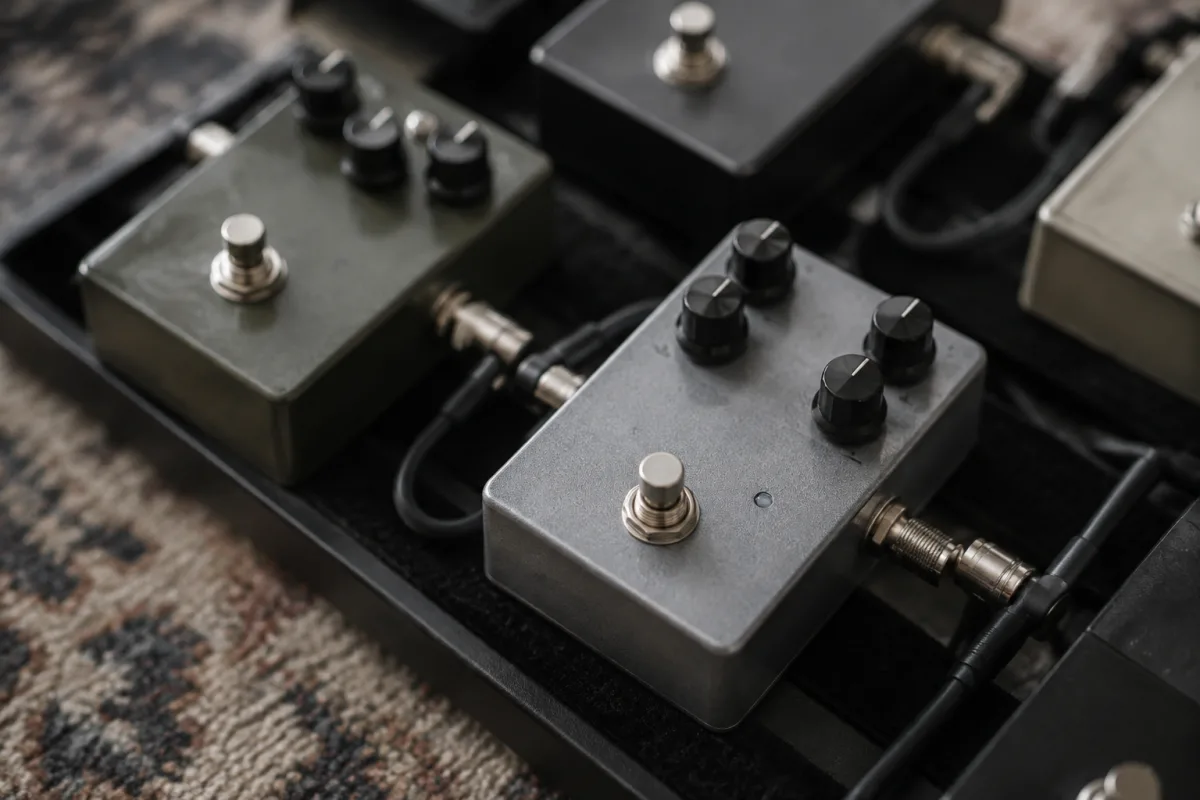
A compressor effect pedal is an essential tool for any guitarist or bass player seeking to achieve consistent tone and control over their instrument's dynamics. Whether you're recording in the studio or performing on stage, a compressor effect pedal allows you to manage volume fluctuations and add sustain to your playing. This comprehensive guide explores everything you need to know about selecting and using a compressor effect pedal to enhance your musical performance.
Understanding Compressor Effect Pedals
A compressor effect pedal works by reducing the volume of louder notes whilst maintaining or boosting quieter ones, creating a more even overall tone. The primary purpose of a compressor effect pedal is dynamic control—when a note exceeds a certain threshold level, the compressor effect pedal automatically reduces its volume according to a preset ratio. This technology, once found only in professional recording studios, is now available in compact pedal form for live musicians and home studios.
The fundamental benefit of a compressor effect pedal is consistency. A compressor effect pedal ensures that every note in your playing reaches the listener with similar perceived loudness, preventing the dynamic peaks that can make performances sound unpolished. For bass players particularly, a compressor effect pedal is virtually indispensable for maintaining tight, controlled tones throughout an entire set.
Key Parameters of a Compressor Effect Pedal
| Parameter | Function | Typical Range |
|---|---|---|
| Threshold | Volume level at which compression begins | -30dB to 0dB |
| Ratio | Amount of compression applied | 1:1 to 10:1 or more |
| Attack | Speed at which compression engages | 0.1ms to 100ms |
| Release | Speed at which compression releases | 10ms to several seconds |
| Output/Makeup Gain | Restores overall volume level | Typically 0dB to +20dB |
Understanding these parameters is crucial for maximising the potential of your compressor effect pedal. The threshold determines when your compressor effect pedal begins to work; lower thresholds mean more consistent compression across your entire dynamic range. The ratio controls how aggressively your compressor effect pedal reduces volume—a 4:1 ratio is gentle for subtle tone shaping, whilst a 10:1 ratio is extreme for dramatic effect.
Types of Compressor Effect Pedals
Several distinct types of compressor effect pedals exist, each with unique sonic characteristics. An optical compressor effect pedal uses light-sensitive cells to control compression, producing smooth, musical results ideal for bass and funk music. A FET (Fast Envelope Tracking) compressor effect pedal responds quickly to dynamic changes, making it perfect for aggressive playing styles and punch-heavy tones.
A VCA (Voltage Controlled Amplifier) compressor effect pedal offers precise control and versatility, making it the choice for studio professionals and demanding live performers. A tube-based compressor effect pedal delivers warm, vintage tones beloved by classic rock and blues players. Each type of compressor effect pedal imparts subtle but distinct sonic characteristics to your instrument.
Benefits for Different Instruments
A compressor effect pedal offers specific advantages for various instruments. Bass players gain clarity and articulation from a compressor effect pedal, preventing floppy, inconsistent tones. Guitarists benefit from increased sustain and smoother lead work—a compressor effect pedal allows single notes to ring longer and chords to blend seamlessly.
Acoustic guitar players use a compressor effect pedal to even out the dynamic range between muted and open strings. Electric guitarists employ a compressor effect pedal to achieve the distinctive "glassy" tone heard in 1970s rock and contemporary blues. A compressor effect pedal essentially gives every player the ability to impart studio-quality dynamics control to their live performance.
Settings for Common Musical Styles
- Jazz and Smooth Tones: High ratio (8:1 or higher) with fast attack for transparent, natural-sounding compression using a compressor effect pedal
- Funk and Slap Bass: Fast attack and release settings on your compressor effect pedal to preserve percussive attack whilst maintaining even tone
- Classic Rock: Medium ratio (4:1 to 6:1) with slower attack on your compressor effect pedal to retain dynamic punch
- Metal and Aggressive Play: High ratio and fast settings on your compressor effect pedal for dynamic control of sustained notes
- Country and Twang: Subtle compression using your compressor effect pedal to enhance pick attack and string noise
- Lead Guitar Sustain: Medium ratio with slower attack and release on your compressor effect pedal for smooth, singing sustained tones
Placement in Your Effect Chain
Positioning your compressor effect pedal correctly in your pedalboard order significantly affects your tone. Most professionals place a compressor effect pedal near the beginning of the signal chain, right after tuning pedals and before gain-based effects. This placement allows your compressor effect pedal to evenly control your dynamics before distortion or overdrive amplifies them.
Some players prefer using a compressor effect pedal after a distortion pedal to catch and control the already-compressed distorted signal. Experimenting with different positions reveals how a compressor effect pedal interacts with your other effects. The key principle is that a compressor effect pedal should establish the foundation of your tone, working transparently rather than as an obvious effect.
Choosing Your First Compressor Effect Pedal
Budget-conscious players can find quality entry-level compressor effect pedals starting around £50-80. Professional-grade options range from £150-300, offering superior components and sonic characteristics. Boutique compressor effect pedal manufacturers create hand-wired pedals exceeding £300, catering to players seeking ultimate tone quality.
For beginners, a simple compressor effect pedal with clearly labelled controls suits learning the technology better than complex multi-parameter units. Look for a compressor effect pedal featuring threshold, ratio, attack, release, and output controls at minimum. Many quality compressor effect pedals include level indicators showing when compression is occurring, helping visualise the effect.
Maintenance and Longevity
A quality compressor effect pedal offers years of reliable service with minimal care. Ensuring your compressor effect pedal stays in clean, dry conditions prevents rust and electrical problems. Regularly replacing the battery or using a reliable power supply protects your compressor effect pedal's electronics.
The footswitch on your compressor effect pedal occasionally needs contact cleaner to maintain responsiveness. Most professional-grade compressor effect pedals feature true bypass wiring, meaning engaging or disengaging your compressor effect pedal produces no tonal change when the unit is inactive. This premium feature, standard on quality compressor effect pedals, preserves your original tone when the compressor is off.
Comparing Popular Compressor Effect Pedal Options
The Boss CS-3 remains one of the most popular compressor effect pedal choices for its intuitive interface and warm tone. The MXR Dyna Comp represents a classic compressor effect pedal favoured by blues and classic rock players for decades. The Empirical Labs Distressor, whilst not technically a pedal but available in compact form, is considered by many to be the finest compressor effect pedal available, used extensively in professional studios.
Orange Dark Terror users often pair their amplifier with a dedicated compressor effect pedal for enhanced tonal control. Tube-based compressor effect pedals like the Thermionic Culture Phoenix offer vintage warmth but require proper power management. Modern digital compressor effect pedals offer programmable settings, allowing musicians to save and recall precise compression curves for different songs.
Conclusion
A compressor effect pedal transforms your instrument's dynamic range and tonal consistency, making it an essential addition to any pedalboard. Whether you're seeking the subtle refinement of transparent compression or dramatic dynamic control, a compressor effect pedal delivers professional-quality results for both studio and live applications. By understanding compression principles and experimenting with your compressor effect pedal's controls, you'll unlock new dimensions in your playing and achieve the polished, controlled tone characteristic of professional musicians.



Comments