
Box of Vinyl Records article
The Complete Guide to Box Of Vinyl Records
A box of vinyl records holds musical history and personal taste. Learn how to preserve, value, and enjoy these collections.
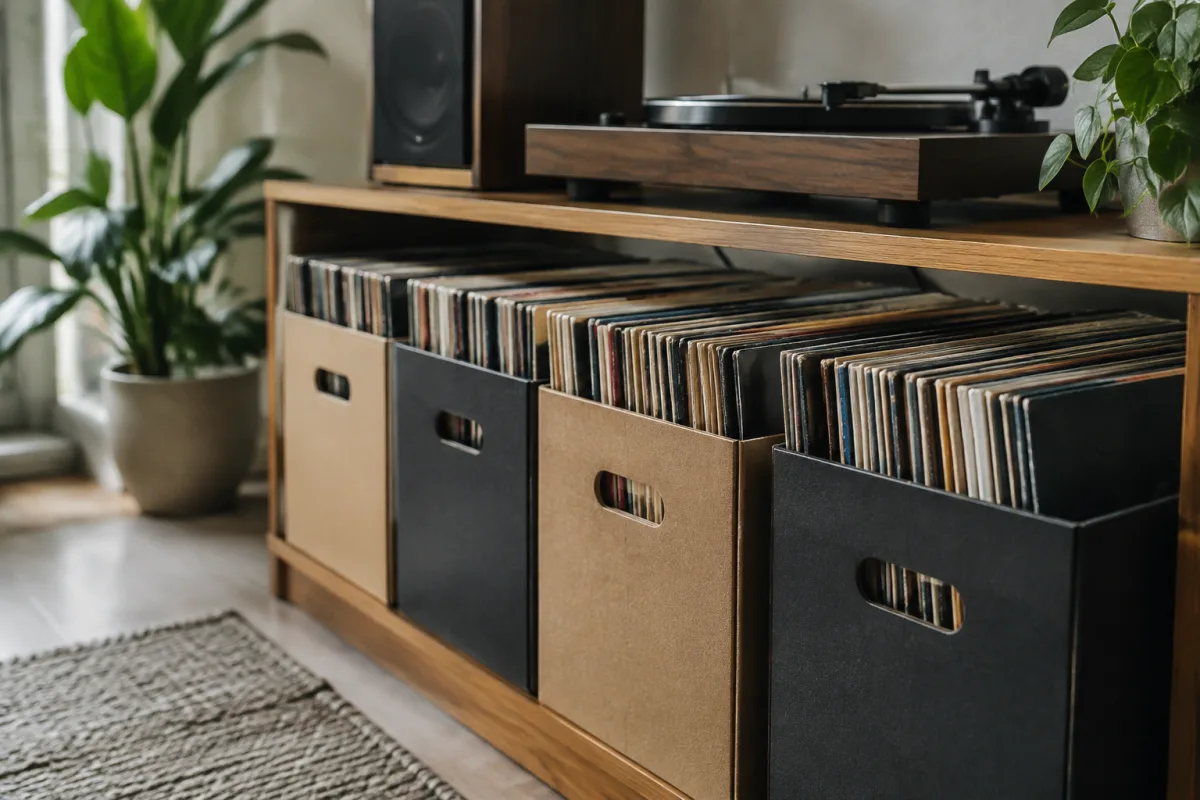
A box of vinyl records represents far more than cardboard and plastic; it embodies years of collecting, musical discovery, and curation. Whether you’ve inherited someone’s collection, purchased job-lots at estate sales, or carefully assembled your own selection across decades, these curated assortments tell stories through cover art, recording history, and sonic character. Understanding how to value, preserve, and display these collections transforms them from dusty storage into living musical archives worthy of care and respect.
Why Vinyl Collections Matter
Vinyl records offer unique qualities distinguishing them from digital alternatives. The tactile experience—removing a record from its sleeve, observing cover artwork, examining liner notes—creates engagement transcending typical listening. Sonic character from groove imperfections and stylus interaction creates warmth and personality. Collectors often describe the experience as more intimate and intentional than streaming services offering infinite catalog access without editorial decisions.
A curated collection reflects personal taste and musical journey. Each record represents discovery moments and purchasing decisions that collectively form identity and aesthetic.
Assessing Collection Value
Record value depends on pressing era, edition rarity, condition, and collector demand. Original pressings from a record’s initial release typically command premiums over later reissues. Audiophile pressings, special editions with limited runs, and records from respected labels often appreciate in value. Conversely, heavily played copies or those with damaged sleeves decrease in worth.
Multiple online resources help collectors research values: Discogs offers marketplace pricing data; Goldmine provides pricing guides; specialist record dealers assess specific pressings. Learning these resources transforms casual collections into understood, documented assets.
Storage & Preservation Essentials
Proper storage protects both sonic quality and collectible value. Records should remain upright, stored in climate-controlled environments away from direct sunlight, heat sources, and excessive humidity. Original sleeves and inner sleeves preserve artwork and protect grooves from dust accumulation. Acid-free storage boxes prevent chemical degradation affecting vinyl and artwork over decades.
Many collectors replace worn original sleeves with archival-quality alternatives, preserving records whilst maintaining collectible sleeves. This balance acknowledges both preservation ethics and practical considerations.
Organising Your Collection
Effective organisation makes collections accessible whilst protecting them from excessive handling. Alphabetical by artist remains popular, though genre, era, or label-based systems suit some collectors better. Whatever system you choose, consistency proves essential. Labelling collection boxes with artist names enables quick location without removing records unnecessarily, reducing handling wear on valuable items.
Some serious collectors maintain detailed databases documenting each record’s pressing information, condition assessment, and acquisition notes. This documentation proves invaluable for insurance purposes and historical reference.
Common Collection Scenarios
Estate sale purchases often yield mixed-condition collections spanning multiple genres and eras. These present opportunities for affordable acquisition whilst requiring careful assessment for damage and condition issues. Inherited collections carry emotional significance alongside musical content, requiring respectful handling of items connecting you to previous collectors.
Carefully assembled personal collections reflect consistent taste and discovery journey, typically requiring less restoration work than job-lot acquisitions.
Selling vs. Keeping Collections
| Consideration | Selling | Keeping & Preserving |
|---|---|---|
| Space Requirements | Minimises Storage Needs | Requires Dedicated Space |
| Financial Return | Recovers Capital Investment | Preserves for Appreciation |
| Personal Satisfaction | Financial Realisation | Listening Enjoyment & Nostalgia |
| Time Investment | Research, Listing, Shipping | Maintenance & Organisation |
| Collection Legacy | Dispersed to Multiple Collectors | Preserved as Cohesive Unit |
Display Opportunities
Attractive display transforms boxes into decorative elements. Framing individual album covers celebrates favourite records; building shelving units showcases collections as architectural features. Turntable placement near the collection encourages regular engagement rather than relegating records to storage obscurity.
Many collectors find that displaying records transforms them from archived items into active musical resources, encouraging rediscovery and renewed appreciation.
Digital Integration & Modern Approaches
Contemporary collectors often combine vinyl with digital counterparts, using streaming services for convenience whilst maintaining collections for special listening experiences. Some photograph collection covers and maintain digital databases for reference without handling originals. This hybrid approach balances preservation ethics with practical modern life constraints.
The Value Beyond Economics
Ultimately, vinyl collections represent more than investment assets. They embody musical history, personal taste evolution, and connections to previous collectors whose hands held those records. A box of vinyl records tells your story through music, preserving moments of discovery and delight in tangible form. Whether you maintain modest collections or extensive archives, treating them with respect acknowledges their cultural significance and artistic merit.



Comments