


Upright Bass Strings article
The Complete Guide to Upright Bass Strings
Quality upright bass strings dramatically impact tone, sustain, and playability. Understand construction and maintenance for optimal musical expression.
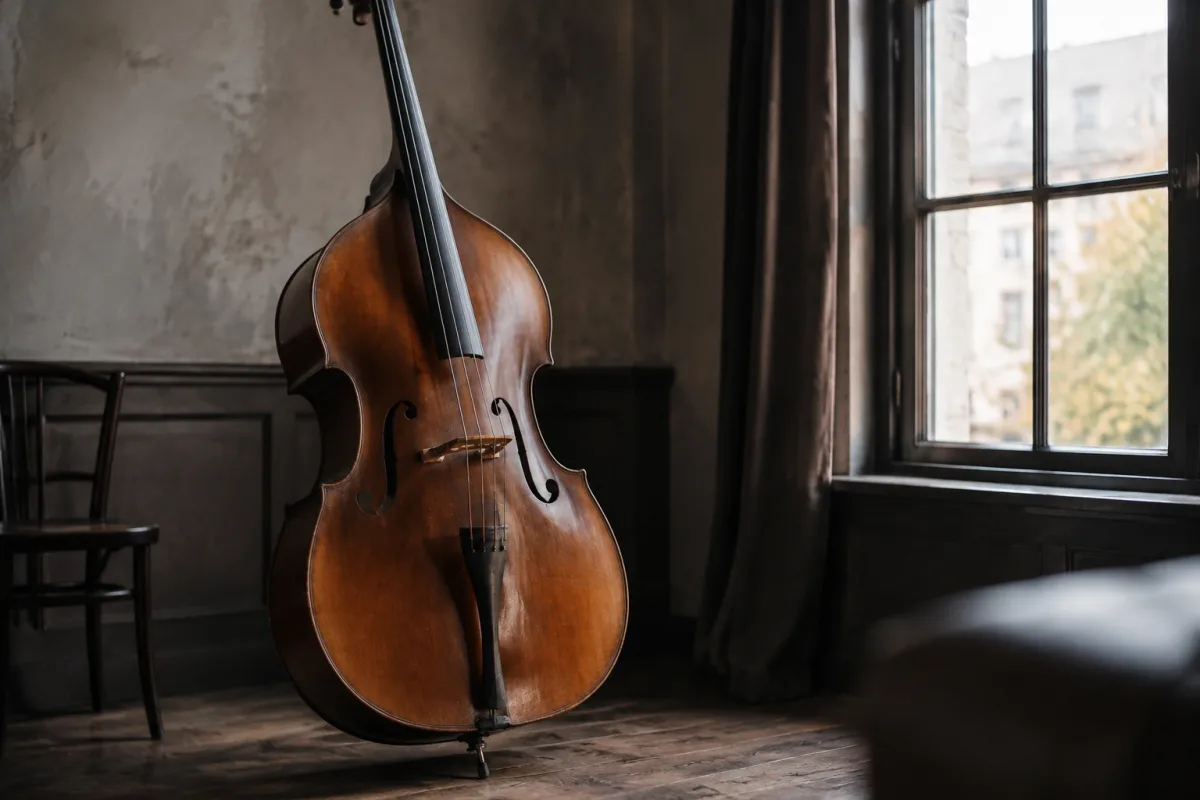
Quality strings define the sonic foundation for double bass players across classical, jazz, and contemporary genres. The right choice of strings significantly impacts tone, sustain, and playability. Whether you're performing in symphony orchestras, jazz ensembles, or studio sessions, selecting appropriate upright bass strings elevates your instrument's voice and supports confident musical expression.
String Construction
Upright bass strings consist of a steel or synthetic core wound with various materials. Steel cores offer bright, focused tone with excellent projection. Synthetic cores provide warmer, more mellow character. Winding materials—typically steel or chrome steel—dramatically influence tonal colour. The specific combination of core and winding creates each string's unique sonic signature. Understanding construction helps you select strings matching your musical style and instrument characteristics.
Tone Quality and Character
Different string types offer distinct tonal palettes. Steel-core strings deliver punchy attack and rapid response, favoured by jazz and arco players. Synthetic-core strings provide warm, singing tone preferred for solo repertoire and chamber music. Gut strings—rarely used today but available—produce velvety tone but require careful maintenance. Your choice significantly impacts your ability to achieve desired sonorities. Professional musicians often maintain multiple string sets for different performance contexts.
Playability Considerations
Strings affect both technical facility and comfort during extended playing sessions. String tension impacts left-hand fatigue and intonation accuracy. Gauge affects response and tonal intensity. Quality strings maintain consistent tension throughout their lifespan, supporting reliable performance. Budget strings often develop uneven wear, creating dead spots and intonation problems. Investing in quality strings rewards you with reliable performance supporting musical expression rather than fighting equipment limitations.
Durability and Lifespan
Quality strings remain responsive longer than budget alternatives. Professional players typically change strings every 6-12 months depending on playing frequency and style. Regular cleaning extends string life significantly. Proper storage in climate-controlled environments prevents premature oxidation. Steel-core strings generally outlast synthetic options but both require periodic replacement. Understanding string lifespan helps budget appropriately for maintenance costs.
Matching Strings to Your Instrument
Different instruments respond optimally to specific string types. Lightweight instruments sound best with lighter gauge options. Heavyweight instruments with powerful voices suit heavier gauges. Bridge height and tailpiece design influence string performance. Consulting your instrument's maker or an experienced luthier helps identify optimal string configurations. Professional string selection considers instrument characteristics alongside your musical goals.
Maintenance and Care
Proper string care extends lifespan and maintains optimal performance. Clean strings after each playing session using a soft cloth. Avoid exposing strings to temperature extremes or excessive humidity changes. Store unused sets in protective cases. Replace strings before they become unusable rather than waiting for complete failure. Regular maintenance transforms string lifespan from months to years, significantly reducing ongoing costs.
Conclusion
Investing in quality strings pays dividends through improved tone, reliable performance, and enhanced musical communication. Your strings directly influence what your instrument can express musically. Whether pursuing orchestral excellence, jazz sophistication, or contemporary innovation, appropriate string selection supports your artistic vision and unlocks your instrument's full potential.



Comments