
Bass Head Ampeg article
The Complete Guide to Bass Head Ampeg
Discover Ampeg bass amp heads—from the legendary SVT tube amps to modern solid-state designs. Learn wattage, portability, tone and how to choose the right model.
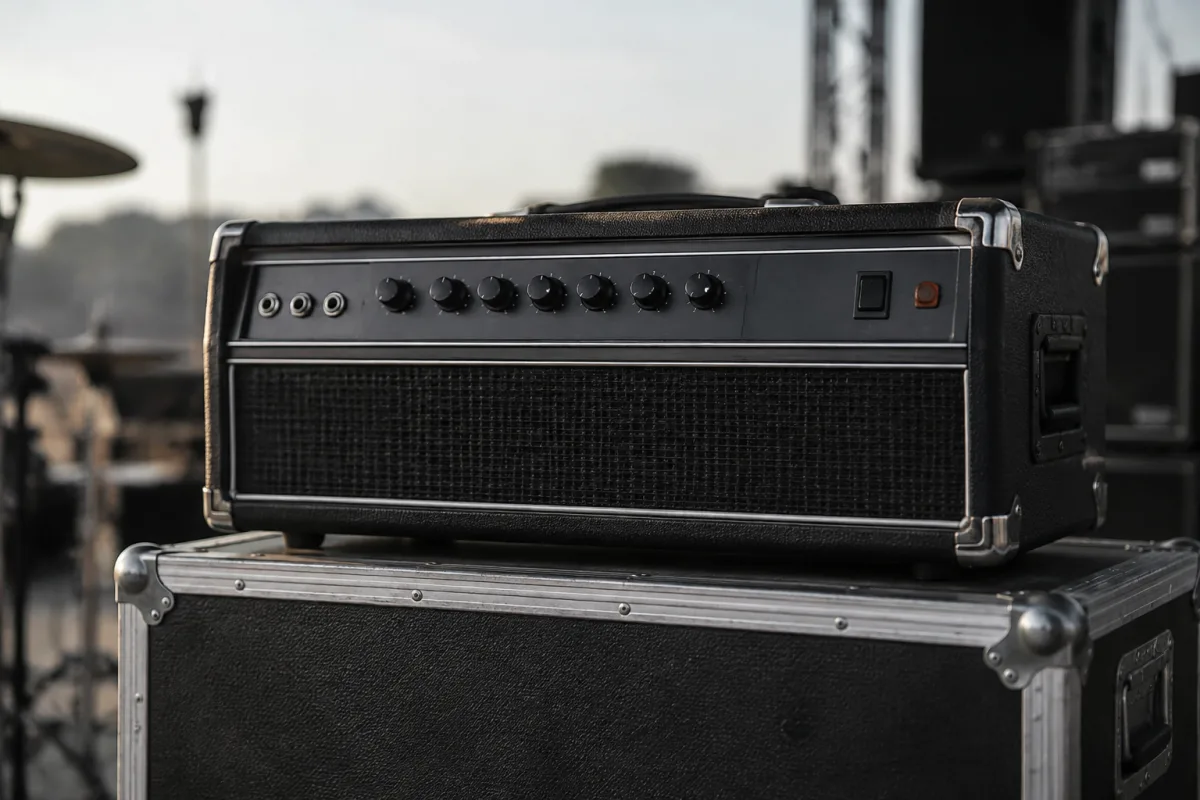
Ampeg Bass Heads: Power, Tone and Reliability
Ampeg has been the benchmark for bass amplification since the 1960s. Their bass amplifier heads are trusted by touring professionals and bedroom players alike, delivering the tone and power needed in any venue. Whether you're choosing your first bass rig or upgrading to a more powerful system, understanding Ampeg bass heads is essential for any serious bassist.
The Ampeg Legacy in Bass Amplification
Ampeg didn't invent the bass amplifier, but they perfected it. Founded in 1946, the company became synonymous with bass tone through iconic products like the SVT (Super Valve Technology) amplifier. Professional bassists from John Entwistle of The Who to modern touring musicians rely on Ampeg gear for live performance and recording.
This legacy matters because Ampeg bass heads aren't just tools—they represent decades of refinement, reliability and sonic excellence. When a manufacturer has been building amplifiers for seven decades, quality and consistency become embedded in their design philosophy.
Understanding Bass Head Specifications
Bass amplifier heads are rated in watts, typically ranging from 100 watts for smaller venues to 1,200 watts or more for touring rigs. Ampeg offers models across this spectrum. The SVT-VII Pro, for example, delivers 1,000 watts, while the PF-500 offers 500 watts in a more compact package.
Wattage is only part of the story. Impedance (measured in ohms) determines which speaker cabinets you can pair with the head. Most Ampeg heads support 2, 4 or 8-ohm loads, allowing flexibility in cabinet selection. The amplifier's frequency response, typically 20Hz–20kHz for bass heads, tells you the full range of tones it can reproduce.
Tube vs. Solid-State Ampeg Bass Heads
Ampeg makes both tube and solid-state bass heads, each with distinct sonic characteristics. Tube amplifiers, like the classic SVT, add harmonic warmth and natural compression that many bassists find musically satisfying. Tubes impart a slight breakup when driven hard, lending an organic quality to aggressive playing.
Solid-state heads (like the Ampeg PF series) are more portable, lighter and offer cleaner, more transparent tone. They're ideal for bassists who want their instrument's natural voice amplified without colouration. Solid-state designs run cooler and require less maintenance than tubes, though tube amps have a longer tradition in professional bass tone.
Tone-Shaping Features
Most Ampeg bass heads include an equaliser section—typically treble, midrange and bass controls—to shape your tone. Many also have an overdrive or distortion circuit for adding aggression when needed. The SVT-VII Pro includes an extensive effects section with reverb and compression, useful for subtle tonal tweaking in the studio.
The solid-state PF-500 emphasises simplicity with fewer controls, letting the pure tone of your bass and fingers shine through. The choice between feature-rich and straightforward reflects your playing style and tonal preferences.
Power and Venue Suitability
For bedroom practice and small rehearsal spaces, 100–200 watts is plenty. A 100-watt head paired with a single 15-inch speaker cabinet delivers surprising volume without the hassle of moving massive rigs around.
Larger rehearsal spaces, clubs and theatres typically need 300–500 watts. This provides headroom—the ability to play dynamics without the amplifier working at maximum capacity—and ensures the bass cuts through in a full band mix.
Touring and arena situations demand 800 watts and above. Professional touring bassists often run dual amplifier heads for redundancy and flexibility, with multiple cabinets ensuring the bass reaches every seat in the venue.
Portability and Weight Considerations
Tube amplifiers are significantly heavier than solid-state designs. A classic SVT weighs around 65 kilograms—substantial by any standard. Modern solid-state heads like the PF-500 weigh under 10 kilograms, making them attractive for touring musicians who need to travel with their gear.
The trade-off is tone—many bassists consider the weight of a tube amp worth it for the sonic character. However, modern solid-state designs have narrowed the gap considerably, and many professionals now opt for the convenience of lightweight gear without sacrificing tone quality.
Featured Ampeg Models
The SVT-VII Pro is Ampeg's flagship, blending tube warmth with solid-state power and a comprehensive effects section. The SVT-4 PRO offers hybrid technology—a tube preamp feeding solid-state power amp—for balanced tone and portability. The PF-500 is perfect for players prioritising simplicity and light weight without sacrificing professional tone.
Each model serves different needs. Understand your venue size, transportation situation and tonal preferences before deciding.
Pairing a Bass Head with Cabinets
A bass head needs a speaker cabinet (or cabinet stack) to turn amplified signal into sound. Ampeg manufactures matching speaker cabinets, and many third-party manufacturers make compatible options. A single 2x10" cabinet (two 10-inch speakers) suits smaller venues. A 4x10" or 1x15" works for mid-sized gigs. Touring rigs often stack multiple cabinets for volume and coverage.
Impedance matching is critical. A 4-ohm head with a 4-ohm cabinet is ideal. Running mismatched impedances can damage the amplifier, so always check your cabinet's ohm rating.
Maintenance and Longevity
Ampeg bass heads, especially tube models, benefit from regular maintenance. Tubes eventually wear out and need replacement—budget for this every few years depending on usage. Tube amps also run hot and benefit from proper ventilation during use.
Solid-state designs require less upkeep but still deserve respect. Keep your amplifier clean, ensure proper ventilation and avoid exposure to extreme temperatures. A well-maintained Ampeg head will last decades and potentially increase in value, particularly vintage tube models.
Choosing Your Ampeg Bass Head
Start by considering your immediate needs—rehearsal space size, typical gig venues and whether you'll transport the amp regularly. Then factor in tone preference and budget. A used Ampeg head often represents excellent value; the brand's durability means older models still perform reliably. Whether you choose tube or solid-state, Ampeg's seven-decade reputation ensures you're investing in quality bass amplification.


Comments