


Vox Bass Guitar Amplifiers article
The Complete Guide to Vox Bass Guitar Amplifiers
Vox bass guitar amplifiers combine British tone with practical features for gigging musicians, from portable solid-state models to characterful valve rigs. Discover what makes them distinctive.
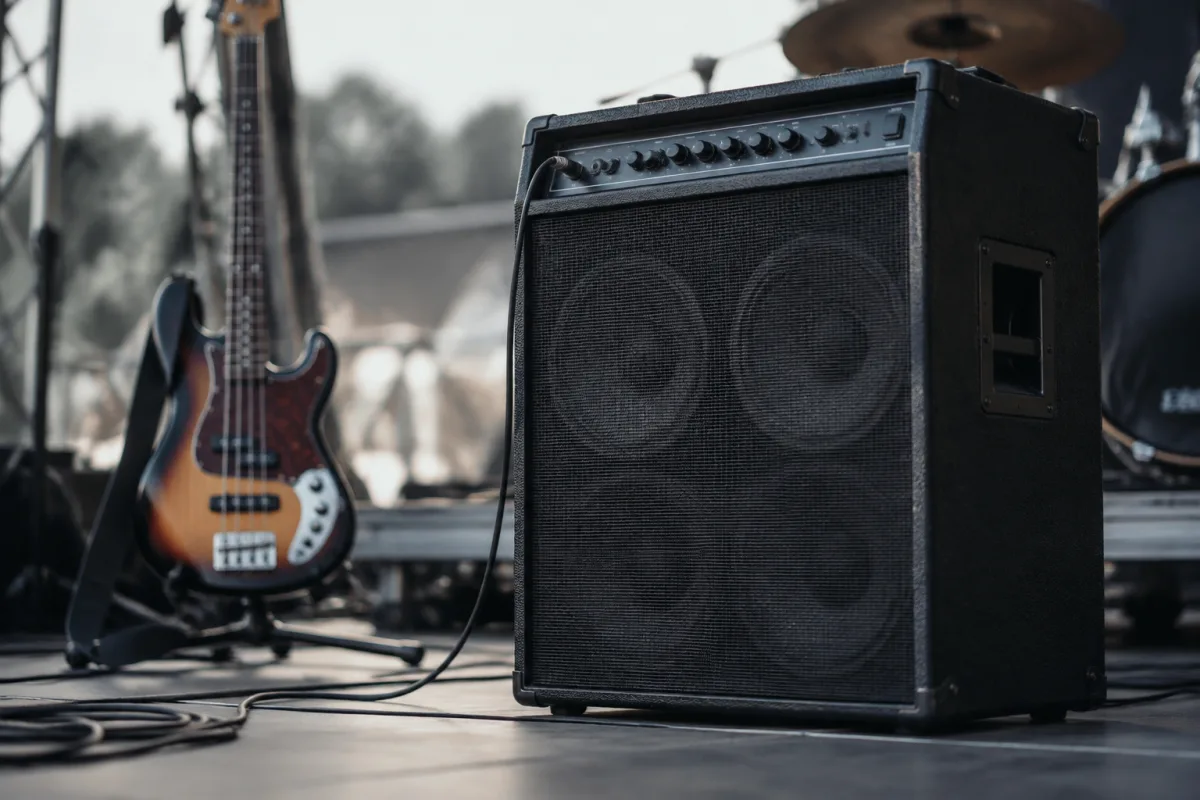
Vox bass guitar amplifiers have earned their reputation as workhorses of the modern bass rig, combining the company's historic British tone with practical features for gigging musicians. Whether you're a session player, a touring professional, or an enthusiast building a personal setup, understanding what Vox brings to the bass amplification market will help you decide whether these amps are right for your playing style and venue requirements.
A Brief History of Vox in Bass Amplification
Vox, famous for the iconic AC15 and AC30 guitar amplifiers that defined the sound of the British Invasion, extended its expertise into bass amplification in the 1960s. The brand's approach to bass amps has always emphasised musical character over raw power, rooted in the principle that bass tone emerges not from crushing wattage alone but from how the amplifier responds to the instrument's dynamics. This philosophy remains central to Vox's bass guitar amplifier range today, making them distinctive in a market often dominated by solid-state power and portability.
Key Characteristics of Vox Bass Amplifiers
Vox bass guitar amplifiers are typically recognisable by several defining traits. The brand favours tube circuitry in its higher-end models, delivering the natural compression and harmonic warmth that valve amplification is renowned for. Many Vox bass amplifiers feature a relatively compact footprint compared to traditional tube rigs, making them practical for venue loading-in. The EQ sections often provide intuitive tone shaping without overwhelming the player with excessive controls, following Vox's design philosophy of simplicity serving musicality.
The coupling between Vox bass guitar amplifiers and speaker cabinets is crucial; Vox has designed cabinets specifically to complement the tonal character of their heads. This synergy results in a cohesive sound that speaks with authority on stage or in the studio, particularly in genres where musical articulation matters as much as raw projection.
Popular Vox Bass Amplifier Models and Specifications
The following table outlines some of the most widely-used Vox bass guitar amplifiers currently available or recently discontinued:
| Model | Power (Watts) | Tubes/Solid-State | Key Features |
|---|---|---|---|
| Vox Pathfinder 10 | 10W | Solid-State | Portable practice amp, three-band EQ, headphone out |
| Vox Pathfinder Bass 25 | 25W | Solid-State | Compact gigging amp, XLR output, portable |
| Vox Night Train Bass | 25W | Tube | Valve amplifier, compact, EL84 power tubes |
| Vox Bass Ampeg VBA-15T | 15W | Tube | Desktop/portable tube amp, vintage styling |
Tube-Based Versus Solid-State Vox Bass Amplifiers
Deciding between tube and solid-state Vox bass guitar amplifiers depends on your priorities. Tube models deliver the classic Vox tone—warm, responsive, and slightly compressed—that appeals to players seeking vintage character or those working in soul, funk, and rock contexts. The downside is weight, heat, and higher maintenance; tube amps require periodic servicing and are less portable than their solid-state counterparts.
Solid-state Vox bass guitar amplifiers, by contrast, offer reliability and portability without the tonal colouration of tubes. Models like the Pathfinder Bass series are ideal for touring musicians who need a lightweight, durable amplifier that will perform night after night without fuss. The trade-off is a more neutral tone that some players perceive as less characterful, though modern solid-state designs have closed this gap considerably.
Tone Shaping and Controls
Most Vox bass guitar amplifiers include a three or four-band equaliser—typically bass, mid-range, treble, and sometimes a dedicated bass boost. This straightforward layout allows quick adjustment without menu diving, a real advantage during soundchecks or in live situations where you need to adapt to different rooms. The midrange control is particularly valuable for bass, as it governs the articulation and punch that cut through a dense mix.
Many models also feature a gain and master volume split, allowing you to control breakup and overall output independently. This is especially useful in tube Vox bass guitar amplifiers, where the interplay between gain staging and master volume shapes whether the amp remains clean or adds harmonic saturation.
Choosing a Cabinet for Your Vox Bass Amplifier
Pairing your Vox bass guitar amplifier head with an appropriate cabinet is essential. Vox manufactures cabinets specifically designed to work with their amplifiers, tuned to enhance the natural tone. A 1x15 configuration suits warm, deep tone and works well for genres emphasising low-end foundation. A 2x10 or 4x10 cabinet offers greater sensitivity and faster transient response, making articulation and slap techniques more prominent.
If purchasing a Vox bass guitar amplifier head separately from a cabinet, ensure impedance matching (typically 8 ohms or 4 ohms for bass cabinets) and sufficient wattage headroom. A 40W amplifier into a cabinet rated for 60W allows comfortable operation without risk of speaker damage.
Live Performance Considerations
On stage, Vox bass guitar amplifiers prove reliable performers. Their moderate wattage ranges (typically 25W to 100W in active models) suit small venues, rehearsal studios, and recording sessions perfectly. For larger venues, many bassists run their Vox amplifier through a mixing console with main speakers, using the amp primarily for stage monitoring. The XLR direct output found on many models simplifies this workflow.
Weight and footprint matter in touring life. Vox's reputation for compact, manageable amplifiers makes them popular with working musicians who load their own gear. The ability to fit a complete rig—head, cable, and compact cabinet—into a modest van appeals to the practical player.
Maintenance and Longevity
Tube Vox bass guitar amplifiers require more care than solid-state models. Valves gradually lose efficiency and should be replaced every 2–3 years of regular use. Cooling is important; ensure adequate ventilation around the amp to prevent premature valve degradation. Biasing the power tubes correctly after replacement preserves headroom and efficiency.
Solid-state Vox bass guitar amplifiers are virtually maintenance-free beyond occasional speaker reconing if heavily used. Keeping dust out of the ventilation grilles and avoiding extreme temperature swings will extend the amplifier's life considerably.
Comparing Vox to Competitors
In the bass amplification world, Vox competes with brands like Ampeg, Markbass, Gallien-Krueger, and Fender. Ampeg focuses on traditional American warmth and is often the benchmark in rock and blues. Markbass dominates the lightweight, modern solid-state segment. Vox occupies a middle ground: vintage-flavoured tone, moderate power, and practical design that appeals to players seeking character without excessive complexity or weight.
Conclusion
Vox bass guitar amplifiers represent a thoughtful approach to bass tone, prioritising musical character and practical utility over sheer wattage. Whether you choose a tube model for its warmth and responsiveness or a solid-state Pathfinder for its portability and reliability, Vox amplifiers deliver the tonal integrity and build quality that the brand's six-decade history suggests. For gigging musicians, session players, and enthusiasts who value a distinctive sound and straightforward operation, a Vox bass guitar amplifier merits serious consideration.
Frequently Asked Questions
See our FAQ section below for common questions about Vox bass guitar amplifiers, specifications, and choosing the right model for your needs.



Comments