


Telecaster Bass Guitar Buying guide
Telecaster Bass Guitar: A Complete Buyer's Guide
A Telecaster bass guitar delivers distinctive punchy tone for punk and indie. Learn which models suit different budgets and experience levels.
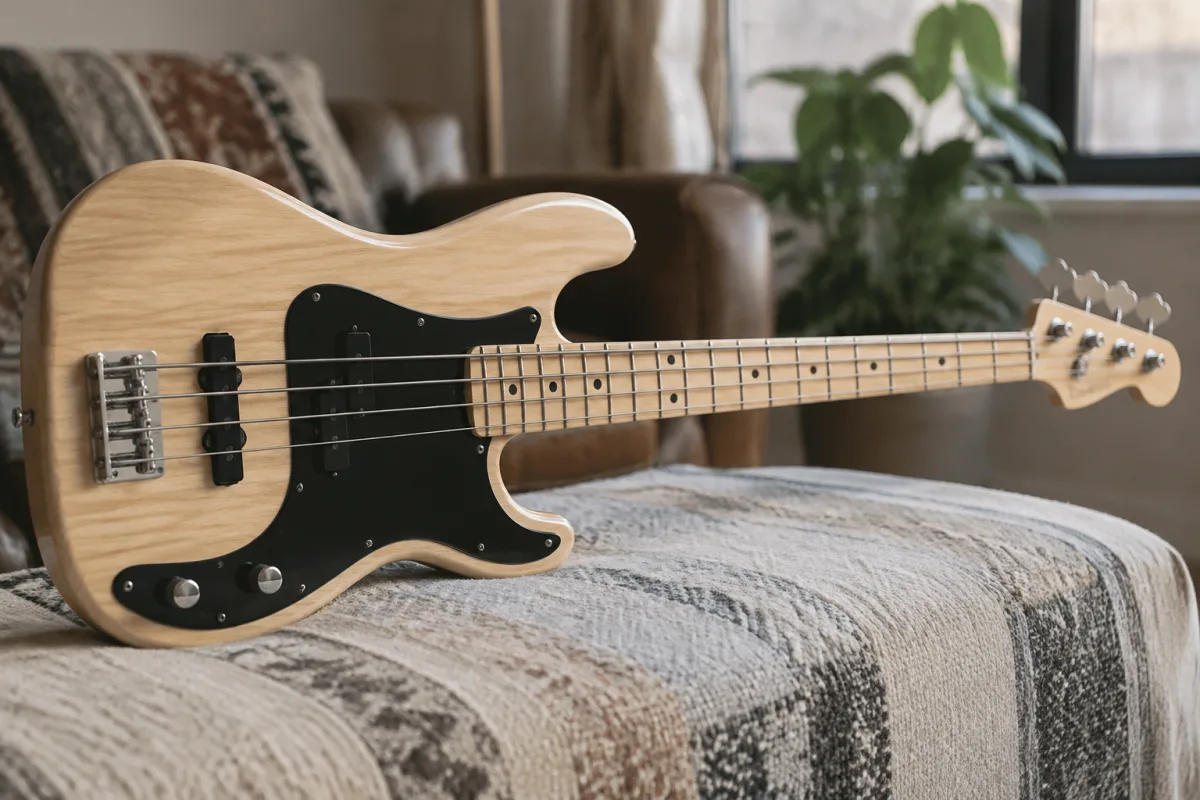
Telecaster bass guitars occupy a unique niche—they're not as common as Precision or Jazz basses, yet they offer a distinct sonic character and vintage appeal that attracts serious players. If you're considering buying one, you need to understand what makes a Telecaster bass guitar different, which models deliver value, and whether this style suits your playing. This buying guide cuts through the confusion and shows you exactly what to check before committing.
Why a Telecaster Bass Guitar?
The Telecaster bass trades the fat, round tones of a Precision or Jazz bass for something thinner, twangier, and more aggressive. If you play punk, indie, or surf rock, the Telecaster bass guitar voice is essential. The solid slab body and single-coil pickup give definition and cut that rounds out the mix. It's not for everyone, but for the right player, it's irreplaceable.
Genuine vs. Squier vs. Boutique Models
- Fender Telecaster bass guitars (authentic) cost £800–£1500 new. Solid builds, genuine vintage tone, investment-grade durability. Essential if you're gigging regularly.
- Squier Telecaster bass guitars (budget line) cost £200–£400. Surprisingly playable, decent pickups, acceptable build quality for beginners. Great entry point.
- Boutique Telecaster bass guitars (Fender Custom, Warmoth, etc.) cost £1500–£3000+. Exceptional craftmanship, custom options, professional-grade. Overkill for learning.
- Vintage Telecaster bass guitars (1960s–1980s originals) cost £2000–£5000+. Rare, tone-heavy, investment pieces. Risky if you're inexperienced—maintenance is complex.
For most players, a Squier (if learning) or Fender (if gigging) is the right call.
Key Specs to Evaluate
- Pickup type — Single-coil (classic twang) or humbucker (warmer, less definition). Most Telecaster bass guitars use single-coils; respect that choice if tone matters.
- Body wood — Ash is bright and resonant; alder is warm. Most use one or the other. Listen to demos; the difference is subtle but real.
- Neck quality and comfort — The neck must feel natural in your hands. Thick necks suit large hands; thin suits small. Test before buying if possible.
- Hardware durability — Tuning machines and bridge should feel solid, not flimsy. Budget models sometimes cheap out here.
- Electronics and wiring — Simple on Telecaster bass guitars (usually one volume, one tone). Reliable and no menu diving—the way bass should be.
Budget Tiers and Real-World Value
Squier Telecaster bass guitars (£200–£400) are genuinely useful for learners and casual players. They sound distinctly like Telecaster basses, not like budget compromises. Solid value.
Used Fender Telecaster bass guitars (£400–£800) from the 1990s–2000s offer incredible value. You get the genuine Fender tone and build for 50% of new price. Scour Reverb and eBay.
New Fender Telecaster bass guitars (£800–£1500) are investment-grade. If you're gigging regularly, they're worth the premium. They'll outlast your interest in playing.
Common Pitfalls
Don't buy a Telecaster bass guitar expecting it to sound like a Precision bass. It doesn't and shouldn't. It's a specialist instrument for specific genres.
Don't overlook setup quality. A poorly set-up Telecaster bass guitar feels terrible. Budget for a professional setup (£50–£100) after purchase if you're buying used.
Don't assume vintage is automatically better. A 1970s Telecaster bass guitar can have dead electronics, worn frets, and hidden damage. Inspect thoroughly before buying.
Don't ignore the neck feel. The Telecaster bass guitar neck is a personal choice. If it doesn't feel right, no price will fix that.
Where to Buy and Negotiation
New models: music shops or online retailers like Thomann, Gear4Music. Returns guaranteed.
Used models: Reverb, eBay, local classifieds. Always negotiate; sellers often accept 10–15% below asking.
Making Your Choice
A Telecaster bass guitar is a commitment to a specific sonic aesthetic. If punk, indie, or vintage tones call to you, it's worth exploring. Start with a Squier to test the waters, then upgrade to Fender if you love it. For comprehensive information on bass tone, history, and genre applications, read our complete guide to Telecaster bass guitars. Once you find your tone, you'll understand why Telecaster bass players swear by them.


Comments