


Stand Bass Guitar article
Stand Bass Guitar for Beginners: A Complete Guide
A quality bass guitar stand protects your investment and encourages frequent practice. Learn how to choose the right stand and develop protective habits from day one.
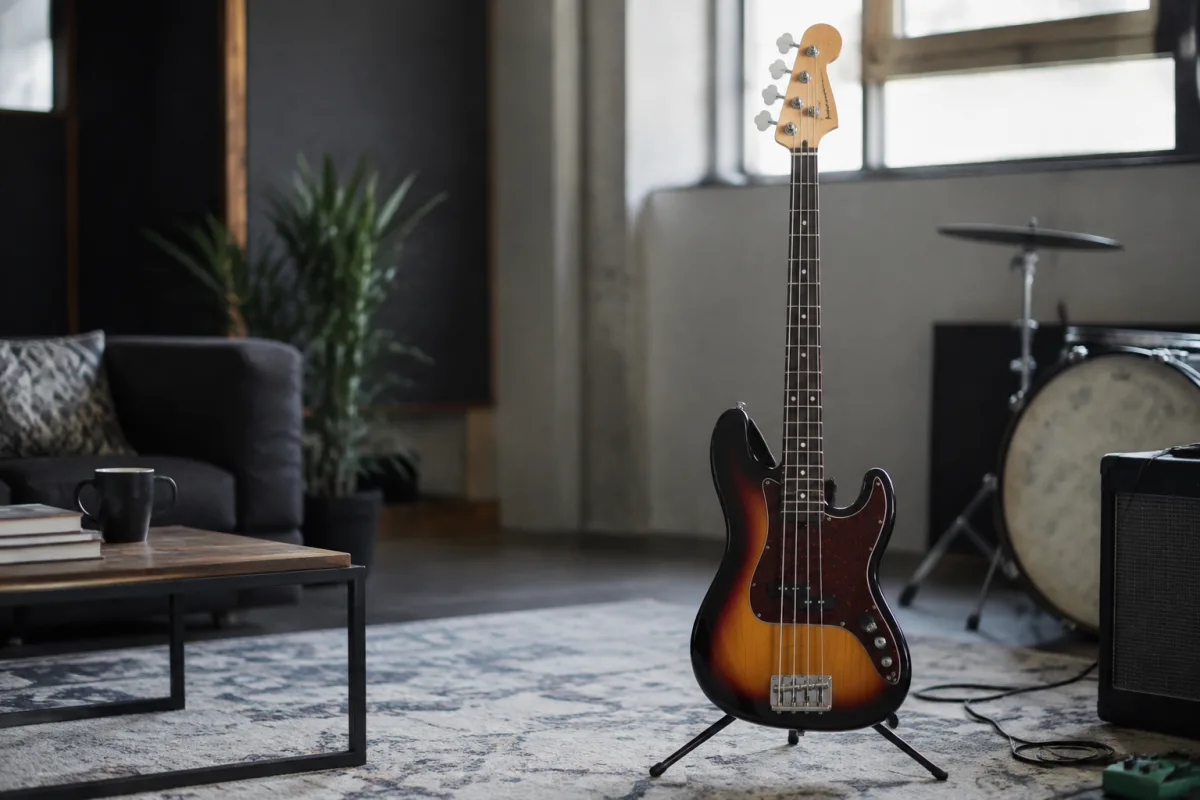
If you've just acquired your first bass guitar, you might not have considered the stand you'll need to keep it safe when you're not playing. A quality bass guitar stand is one of the first accessories every bassist needs, yet many beginners overlook it or choose carelessly. The good news is that finding the right stand for your bass guitar is straightforward once you understand what matters. This beginner's guide walks you through choosing and using a bass guitar stand that protects your investment, looks good, and supports your daily playing routine.
Why Your Bass Guitar Needs a Dedicated Stand
Bass guitars are substantial instruments with considerable weight and value. Leaning your bass against an amplifier or wall might seem convenient, but it risks damaging your instrument from falls, scratches, or unstable positioning. A dedicated bass guitar stand eliminates these risks entirely. Beyond protection, a good stand keeps your bass accessible and ready to play, encouraging more frequent practice. When your instrument is securely displayed and easily accessible, you naturally pick it up more often.
As a beginner bassist, developing good habits around instrument care matters. Using a proper stand from day one establishes a protective mindset that serves your instrument throughout its life. Quality stands are affordable—typically £20-£80—making this essential protection highly accessible.
Understanding Bass Guitar Stand Types
Bass guitar stands come in several distinct varieties, each suited to different situations. Understanding the basic types helps you choose appropriately:
Tripod Stands: These three-legged designs offer stability and durability. The bass rests on padded arms designed to support the instrument safely. Tripod stands work in nearly any location and remain stable when accidentally bumped. They're ideal for practice spaces, bedrooms, and rehearsal studios.
Wall-Mounted Stands: These attach directly to walls and hold the bass securely in a display position. Wall-mounted stands save floor space and look professional. Installation requires wall drilling and secure anchoring—not suitable for rented spaces where you can't modify walls.
Hanging Stands: These use straps or pegs to suspend the bass vertically. Hanging stands work well for stage use and save floor space but require secure mounting. They're excellent for live musicians but less practical for practice-focused beginners.
Storage Stands: Designed to hold multiple instruments, storage racks work well if you're building a collection. For beginners with one bass, a dedicated tripod stand is simpler and more practical.
Essential Features for a Beginner Bass Stand
Focus on these features when evaluating bass guitar stands:
- Padded Neck Support: The stand should cradle the neck with protective padding, preventing pressure marks or damage to your bass's finish.
- Stable Base: A wide, weighted base prevents tipping when your bass is positioned on the stand. Narrow bases create instability and risk of falls.
- Protective Arm Padding: The arms holding your bass should feature soft padding protecting both the body and any hardware from contact marks.
- Non-Slip Feet: Rubber or felt feet prevent the stand from sliding on polished floors or creating damage to flooring.
- Adjustable Support: Some stands offer adjustable arms to accommodate different bass body sizes and shapes. This flexibility matters if you're planning to own multiple basses eventually.
- Compact Storage: Foldable designs save space and make transport practical if you need to move the stand occasionally.
Common Beginner Mistakes with Bass Stands
Learning from others' experiences prevents expensive damage and frustration. Here are common mistakes:
Choosing Based on Appearance Alone: The stand that looks coolest might offer inadequate support or stability. Prioritise protection and stability over aesthetic preferences.
Purchasing Excessively Cheap Stands: Stands under £15 often feature thin padding and unstable designs. Your bass is worth more than saving a few pounds on its support. Invest in quality protection.
Using Non-Padded Stands or Generic Instrument Stands: Regular guitar stands or unpadded supports risk damaging your bass's finish. Use stands specifically designed for bass guitars, which provide appropriate support for the instrument's weight and size.
Installing Wall-Mounted Stands Insecurely: Wall-mounted stands must be installed with appropriate anchors for your wall type. Inadequate installation risks your bass falling unexpectedly. If uncertain, seek professional installation.
Ignoring Floor Protection: Stands without protective feet can damage wooden floors. This matters especially in rented spaces where you're responsible for damage.
Getting Started: Your First Week with a Bass Stand
Day 1-2: Research available stands, reading beginner reviews focused on stability and protection rather than fancy features.
Day 3-4: Purchase a quality tripod stand from a reputable retailer with good return policies in case the stand doesn't suit your needs.
Day 5: Unpack and assemble your stand carefully, ensuring all components are tight and stable. Gently place your bass on the stand, adjusting arm positioning for comfortable support.
Day 6-7: Develop the habit of placing your bass on the stand immediately after playing. This becomes second nature quickly and establishes protective habits that last a lifetime.
Proper Placement and Positioning
Position your bass stand in a location free from high traffic areas, where someone won't accidentally bump it. Avoid direct sunlight, which fades finishes over time. Keep the stand away from heating vents or air conditioning, as temperature fluctuations affect wood stability. Never place heavy objects on top of your bass whilst it rests on the stand.
When placing your bass on the stand, handle the instrument gently and ensure it's properly seated in the support arms before releasing your grip. This simple care prevents accidents and damage. Always check that the stand is stable and balanced before trusting your bass to it.
Budget Expectations for Bass Stands
Quality bass guitar stands range from £25 to £80 for most beginners. Budget models (under £20) often feature inadequate padding and unstable designs. Mid-range stands (£30-£60) offer excellent quality, stability, and protection for the price. Premium stands (over £80) include luxury features or specialised designs you won't need as a beginner.
For your first bass stand, budget £40-£60 for a reliable tripod stand that offers genuine protection and years of service. This investment is minimal compared to your bass guitar's value and provides essential ongoing protection.
Long-Term Stand Care and Maintenance
Your bass guitar stand requires minimal maintenance. Occasionally wipe dust from the stand's framework. Check periodically that all connections remain tight and stable. Replace padding if it becomes worn or compressed. With basic care, a quality stand lasts decades and continues protecting your bass reliably.
If your stand becomes damaged or unbalanced, repair or replace it immediately rather than risking your bass on an unstable surface. Investing in stand maintenance protects your far more valuable instrument.
Complementary Accessories for Complete Bass Protection
Beyond a stand, consider these accessories for comprehensive protection:
- Gig Bag or Hard Case: For transport and storage between sessions, a protective bag or case is essential.
- Humidity Control: In dry climates, a humidifier in your instrument case prevents cracking and fret issues.
- String Cleaner: A simple string cleaner extends string life and keeps your bass sounding fresh.
- Cable Management: Proper cable organisation near your stand prevents accidental tripping and damage.
For more detailed information about bass guitar care and display options, check out our complete guide to bass guitar stands.
Key Takeaways for Beginners
A quality bass guitar stand is essential protection for your investment. Choose a stable tripod stand with padded support arms. Budget £40-£60 for quality that protects your bass for years. Position your stand away from high-traffic areas and environmental extremes. Develop the habit of using your stand immediately after every practice session. These simple practices establish protective habits that serve your instrument throughout its life.
Your bass guitar deserves proper care, and a quality stand is the foundation of that care. Choose wisely, use consistently, and enjoy years of protected playing with an instrument that's been treated respectfully from day one.


Comments