


Gretsch Bass Guitar Buying guide
Gretsch Bass Guitar: A Complete Buyer's Guide
Gretsch bass guitars offer semi-hollow construction and vintage character. This buying guide covers model differences, what specs matter, price ranges, and common mistakes when choosing your Gretsch bass.
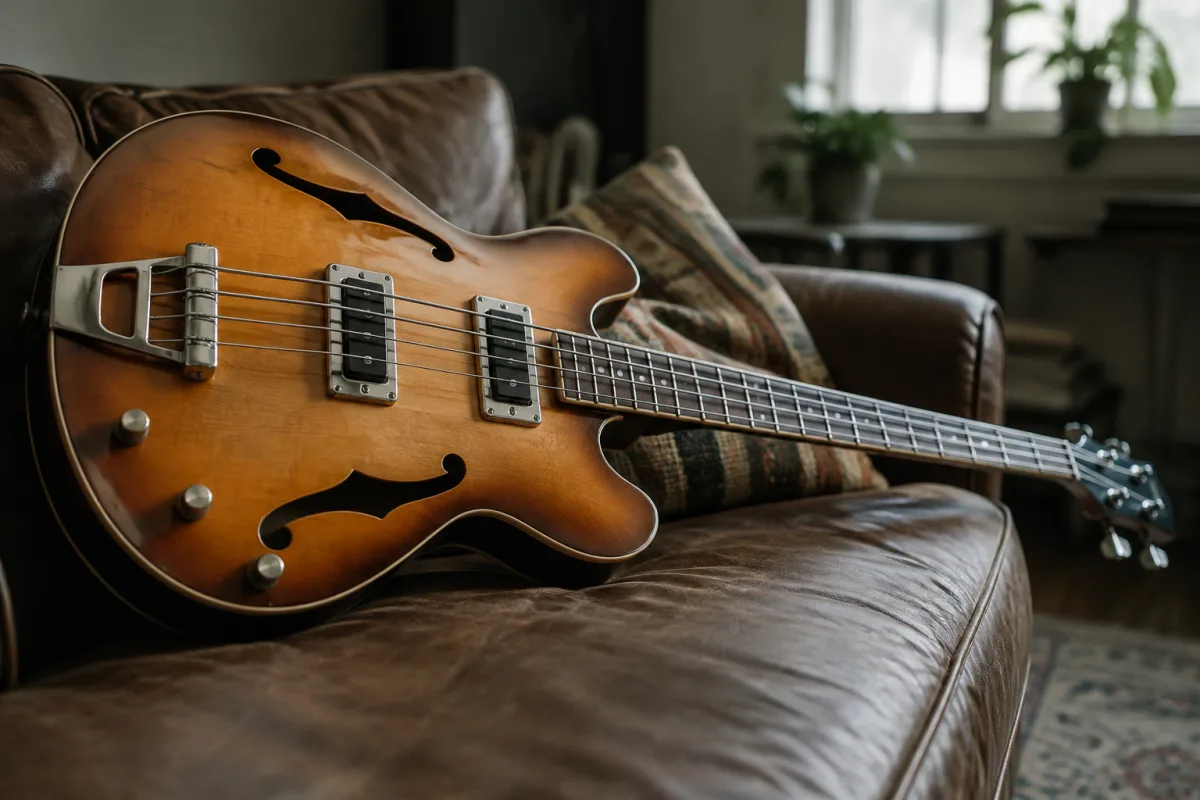
A Gretsch bass guitar is not a mainstream choice—it's a musician's instrument for those who value vintage character and warm, resonant tone over mass-market convenience. If you're considering a Gretsch bass guitar, you're drawn to something specific: the semi-hollow construction that makes every note sing, the heritage that connects you to rockabilly and jazz pioneers, or the distinctive look that stands out on any stage. This buying guide cuts through the romantic appeal and focuses on practical decisions—which Gretsch model suits your style, what specs to check, price ranges, and whether this vintage-leaning bass is actually the right choice for you.
Understanding Gretsch Bass Guitar Construction
The defining characteristic of a Gretsch bass guitar is its semi-hollow body design. Unlike solid-body basses, semi-hollow instruments have internal chambers that allow wood to resonate naturally. This construction creates a warm, woody tone that's audibly different from Fender Precision basses or Ibanez solid-bodies. The semi-hollow design also means Gretsch bass guitars respond to dynamics—dig in harder and the tone gets fatter; play gently and it mellows. This responsiveness is why jazz and rockabilly bassists love them. However, semi-hollow bodies are more prone to feedback at high volumes and require careful amplification choices. If you play loud rock and need tight, controlled tone, a solid-body might frustrate you. Know what you're getting into: a Gretsch bass guitar is sold on character, not on being the most versatile or practical choice.
Gretsch Bass Guitar Models: Core Differences
Gretsch makes several bass models across different price ranges. The Electromatic series offers entry-level semi-hollow construction at affordable prices (roughly £400–600). These are real Gretsch basses with the characteristic semi-hollow tone, but with simplified electronics and hardware. The Vintage Select series pulls from Gretsch's archives and recreates classic designs with premium components (£1,000–2,000+). Professional touring musicians and session players often choose Vintage Select for their reliability and vintage-authentic tone. The Professional series sits between, offering modern features with Gretsch tradition (£600–1,200). When shopping, these model tiers directly reflect build quality, hardware reliability, and long-term durability. Budget models work fine for studio and bedroom use; if you gig regularly, mid-range or professional series are safer investments.
Wood Quality and Tonal Impact
Gretsch bass guitars typically use maple or mahogany bodies, with a spruce top on higher-end models. Maple produces a brighter, more punchy tone; mahogany is warmer and more resonant. Many Gretsch bass guitars combine both—mahogany back with a maple top. The neck is typically maple (strong and stable) or mahogany (warmer feel). Higher-end models use quarter-sawn maple for the neck, which resists warping better and feels more refined. These wood choices matter, but they matter less than you might think. A well-built Gretsch bass guitar with standard materials sounds better than a poorly-built bass with exotic woods. Focus on build quality and hardware first, wood quality second. Ask to inspect the grain and finishes—quality basses show careful craftsmanship. Reject any bass with finish cracks, loose frets, or gaps at the neck joint.
Pickups, Electronics, and Tone Shaping
Entry-level Gretsch bass guitars often use simplified single-coil pickups with basic passive electronics—a master volume and tone control. Mid-range and professional models upgrade to Gretsch-designed humbuckers or premium aftermarket pickups, sometimes with active electronics (boosting and cutting specific frequencies). Active electronics cost more but give you more tonal control and maintain your level across different playing styles. For vintage rockabilly or jazz, passive electronics are fine—they're predictable and transparent. For modern rock or funk, active electronics help you shape your tone and cut through a mix. Test both passive and active basses if you can. Some players find active electronics overly clinical; others can't live without the flexibility. There's no objective "better" choice here—only what suits your musical voice.
Hardware and Build Quality Considerations
Cheap Gretsch bass guitars use lightweight hardware (tuners, bridges) that loosens over time. A Gretsch bass guitar intended for gigging needs quality hardware that stays in tune and doesn't shift. Look for solid die-cast tuning machines and a robust bridge. Check that the hardware doesn't show any rust or tarnish—oxidation is a sign of poor materials or storage. Test the tuning stability by detuning and retuning several times; it should hold pitch tightly. At the nut, check for clean, smooth grooves (not rough or uneven). Fret quality matters too; run your finger along the fretboard—you should feel no dips, gaps, or high spots. These details separate a £500 Gretsch bass guitar from a £1,500 model. Budget models cut corners on hardware quality out of necessity. Professional models use reliable parts that last decades.
Gretsch Bass Guitar Price Tiers and Value
| Price Range | Series | Typical Features | Best For | Value Assessment |
|---|---|---|---|---|
| £400–600 | Electromatic | Semi-hollow body, passive electronics, simplified hardware | Learning, bedroom recording, occasional jam | Good entry point; accepts that compromises exist |
| £600–1,000 | Professional Series | Semi-hollow body, better pickups, active/passive options, quality tuners | Regular gigging, recording, genre flexibility | Sweet spot for reliability and tone |
| £1,000–2,000+ | Vintage Select | Premium wood, vintage-authentic appointments, pro-grade hardware | Professional touring, session work, collectors | Genuine value for gigging musicians; overkill for hobbyists |
Entry-level Gretsch bass guitars offer semi-hollow character at an accessible price, but don't expect professional durability or tonal consistency. Professional and Vintage Select models command higher prices because they're actually designed for professional use. If you gig even occasionally, budget for at least the Professional series—the durability difference is real and shows itself within months. Vintage Select models justify their cost through decades of reliability and resale value. As a used Vintage Select Gretsch bass guitar ages and accumulates road history, it often gains value rather than losing it. Entry-level models depreciate noticeably once purchased.
Common Buying Mistakes with Gretsch Bass Guitars
- Confusing Brand reputation with model quality: Not every Gretsch bass guitar is professional-grade. Know which series you're buying.
- Ignoring feedback characteristics: Semi-hollow basses feed back more easily at volume. Test yours at stage volume before gigging.
- Assuming all semi-hollow basses sound the same: A Gretsch sounds very different from a Fender or Rickenbacker semi-hollow. Listen critically to actual recordings before buying.
- Overlooking neck shape and playability: Gretsch bass necks can be chunky or slim depending on the series. Play several before committing.
- Buying used without testing: Semi-hollow bodies can develop structural issues if improperly stored. Always try a used Gretsch bass guitar before purchasing, or buy from a reputable dealer with a return policy.
- Underestimating setup and adjustment costs: A budget Gretsch bass guitar may need professional setup (£40–100) after purchase to play its best. Budget for this if buying new and unplayed.
Where to Buy and What to Test in Person
Gretsch bass guitars are less common than Fender or Ibanez, so options are limited at general music shops. Specialist vintage guitar shops, online retailers like Thomann, and dedicated jazz shops often stock Gretsch. When buying online, use retailers with good return policies—you might receive a bass that doesn't suit your playing. In person, test at volume through a real amp (not a practice amp or headphones). Ask the shop to show you different series side-by-side; you'll hear tonal and build quality differences immediately. Ask about the warranty—legitimate dealers stand behind their Gretsch bass guitars with at least a one-year warrantee against manufacturing defects.
A Gretsch bass guitar is a commitment to a specific sonic and aesthetic vision. It's not the most practical choice for every player, but for those drawn to vintage character and resonant, dynamic tone, it's often the only right choice. Focus on build quality over specs, test at stage volume, and be honest about whether semi-hollow character matches your playing style. A well-chosen Gretsch bass guitar will reward you with decades of musical inspiration. For deeper technical comparisons and tone samples, see our complete guide to Gretsch bass guitars.



Comments