
Good Starter Bass Guitar article
The Complete Guide to Good Starter Bass Guitar
Good starter bass guitars introduce aspiring players to bass fundamentals with affordable, playable instruments supporting years of musical development without frustrating technical limitations.
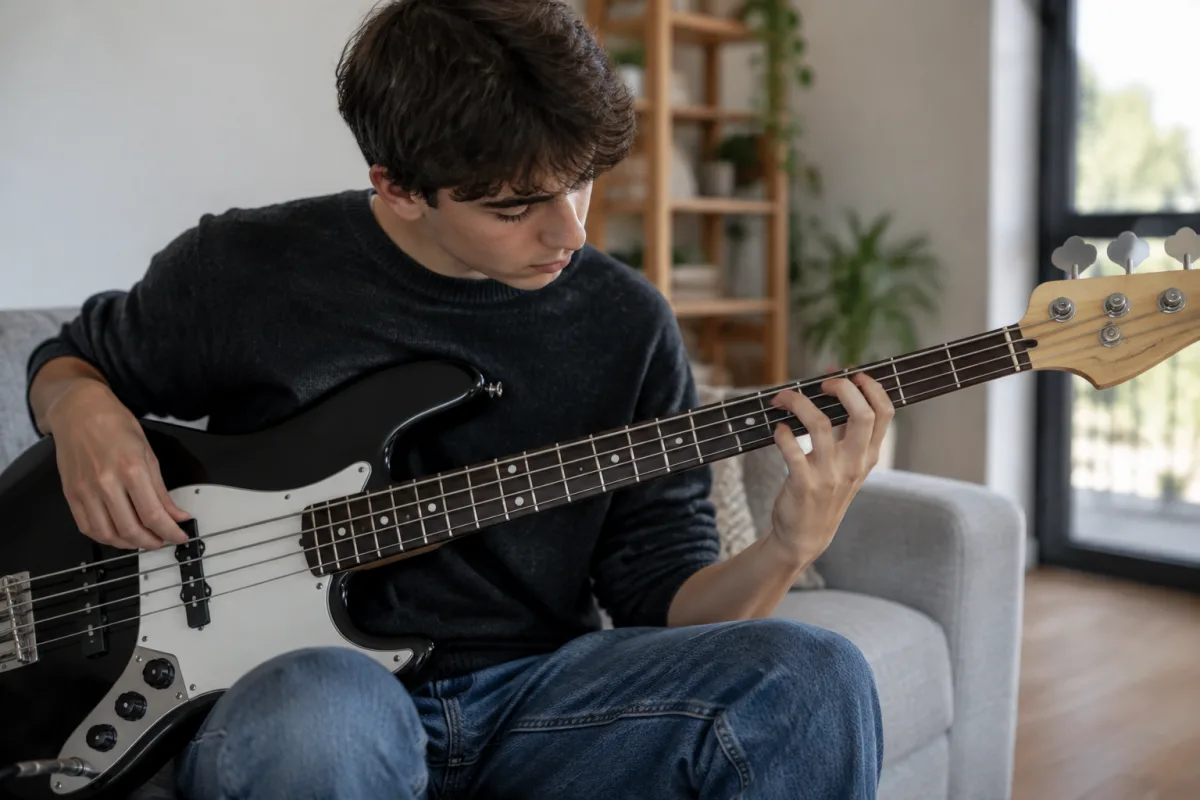
A good starter bass guitar introduces aspiring players to bass playing fundamentals, rhythm understanding, and the satisfying feel of deep, resonant low-end frequencies that define contemporary music. Whether you're exploring whether bass truly interests you, pursuing formal training with a teacher, or diving directly into band collaboration, selecting an appropriate good starter bass guitar makes the difference between frustration that discourages learning and genuine musical progress that builds genuine enthusiasm. Understanding the key specifications and design characteristics that distinguish quality beginner bass guitars helps you make an investment supporting years of musical development.
Why Starter Bass Guitar Specifications Matter
A good starter bass guitar must balance playability, durability, and cost-effectiveness. Poor-quality beginner instruments—with excessively high action (string height above the fretboard), difficult-to-play thick strings, or unstable tuning systems—discourage novice players through painful hand fatigue and frustrating tuning issues. Conversely, an affordable good starter bass guitar with competent engineering supports motivated learning without excessive financial investment that younger players' long-term commitment might not justify.
The bass guitar neck and fretboard ergonomics fundamentally influence learning ease. A good starter bass guitar features a playable neck profile—neither too thick nor too thin—enabling developing hands to reach across the fretboard comfortably. Many beginners find narrow string spacing challenging; quality good starter bass guitars balance professional string spacing against beginner finger strength development, typically with slightly wider frets than professional instruments that accommodate positioning inaccuracy as technique develops.
String Gauge and Playing Comfort
A good starter bass guitar typically ships with medium-gauge strings (.045 to .105) rather than light or heavy alternatives. Light strings produce less tonal depth and feedback prone to buzzing against frets during vigorous playing. Heavy-gauge strings demand substantial finger strength that novice players haven't yet developed, causing painful fretting hand fatigue during practice sessions.
Medium-gauge strings on a good starter bass guitar provide a practical middle ground—sufficient tonal depth, reasonable playability for developing technique, and manageable finger strength requirements. As players progress, they can explore alternative gauge options optimising for personal preference and playing style. This flexibility distinguishes good starter bass guitars that support progression from budget instruments that discourage further development.
Bridge and Tuning Stability
A good starter bass guitar incorporates straightforward bridge designs and reliable tuning machines preventing frustrating retuning between practice sessions. Inexpensive bass guitars sometimes employ mediocre bridges and cheaply manufactured tuning machines that resist staying in tune despite competent tuning methodology, creating the demoralising experience of a continually out-of-tune instrument.
Quality good starter bass guitars typically feature solid bridge construction, reliable tuning machines with tight gearing ratios preventing drift, and adequate mass distribution enabling sustained string resonance. These seemingly modest details collectively enable new players to focus on learning bass technique without technical frustration consuming their practice time.
Body Comfort and Weight Distribution
A good starter bass guitar must remain comfortable during extended playing sessions, remaining balanced against the player's body without excessive head weight causing neck fatigue or body weight demanding constant shoulder support. Heavier bass guitars demand substantial physical conditioning that novice players haven't yet developed.
Entry-level good starter bass guitars typically weigh 3.5–4.0 kilograms—substantially lighter than professional instruments incorporating premium tonewoods. This weight reduction proves particularly valuable for younger players or those with smaller physical frames, enabling longer practice sessions before fatigue becomes limiting. As players develop strength and technique, they can progress toward heavier professional instruments without retroactive discomfort.
Sound Quality and Tonal Character
A good starter bass guitar maintains adequate tonal depth and resonance supporting musical engagement and motivation. Poor-quality budget instruments sometimes sound thin or tinny, discouraging players through unpleasant tonal character that no amount of technique development improves. Quality good starter bass guitars—even at modest price points—produce satisfying low-end depth encouraging continued practice and performance participation.
Pickup configuration on a good starter bass guitar significantly influences sound character. Single-coil pickups produce brighter, punchier tones valued in funk and contemporary styles. Humbucker pickups deliver warmer, rounder tones associated with classic rock and jazz contexts. Quality entry-level instruments typically offer one or the other rather than multiple pickup configurations, supporting specific musical genres without excessive feature complexity confusing novice players.
Hardware Reliability and Construction Quality
A good starter bass guitar employs solid hardware construction ensuring reliable performance throughout extended playing and transport. Budget instruments sometimes use cast hardware prone to corrosion or failure under normal playing stress. Entry-level good starter bass guitars incorporate sturdy tuning machines, secure output jacks preventing audio dropouts, and bridges maintaining accurate string spacing and height stability.
The fretboard on quality good starter bass guitars receives proper finishing preventing fret corrosion and tarnishing that degrades playing feel. Protective finishes on fretboards support long-term durability, distinguishing good starter bass guitars that support years of use from budget alternatives requiring expensive restoration after 1–2 years of modest playing.
Popular Good Starter Bass Guitar Models
Established manufacturers produce dedicated good starter bass guitar models optimising for beginner needs. Fender's Squier brand offers affordable instruments with genuine Fender design heritage at entry-level price points. Ibanez produces playable good starter bass guitars emphasising comfort and modern tonal character. Yamaha's entry-level models deliver impressive build quality and reliability for their modest cost. Eastcoast and other budget manufacturers provide acceptable good starter bass guitars at impulse-purchase price points for casual exploratory players.
Purchasing from manufacturers with established reputations provides confidence that construction quality and tonal character will support genuine musical learning rather than discouraging experimentation through poor-quality instruments. This manufacturer reliability proves particularly valuable for younger players whose long-term commitment to bass remains uncertain.
Purchasing New vs. Used Good Starter Bass Guitars
Used good starter bass guitars represent excellent value for budget-conscious buyers. The second-hand market for beginner instruments remains robust, with players frequently upgrading to professional models after initial learning phases. A carefully inspected used bass guitar at half of new price often provides superior value than equivalent new budget alternatives whilst enabling purchase of better-quality professional models from budget musicians upgrading their gear.
When evaluating used good starter bass guitars, inspect frets carefully for corrosion or wear, check electronic functionality ensuring all pickups, volume controls, and output jacks operate reliably, and verify bridge and tuning machine integrity. Test playing comfort confirming that neck profiles and string spacing suit your hand size and preferences. A quality used good starter bass guitar often surpasses new budget alternatives in total value.
Bundled vs. Standalone Instrument Packages
Many retailers sell good starter bass guitar bundles including amplifier, cable, case, and educational materials. These packages provide convenient all-in-one solutions eliminating separate purchasing decisions. However, bundle component quality sometimes varies dramatically—a good starter bass guitar paired with mediocre amplification or poorly designed learning materials. Consider whether you prefer bundled convenience or the flexibility of selecting quality components independently.
Conclusion
A good starter bass guitar represents a meaningful investment supporting genuine musical development across years of playing progression. Contemporary entry-level instruments offer impressive quality-to-price ratios, delivering playable, reliable instruments enabling focused learning without excessive financial commitment. Whether you're exploring whether bass truly aligns with your musical interests, supporting a younger player's instrument education, or pursuing formal bass training, selecting a quality good starter bass guitar enables confident progress and musical satisfaction throughout the early years of bass journey development.


Comments