
Electric Bass Guitar Amp article
The Complete Guide to Electric Bass Guitar Amp
An electric bass guitar amp is essential to your tone, shaping how your bass is heard in a band or on stage. This guide explores amplifier types, features and how to select the right electric bass guitar amp for your needs.
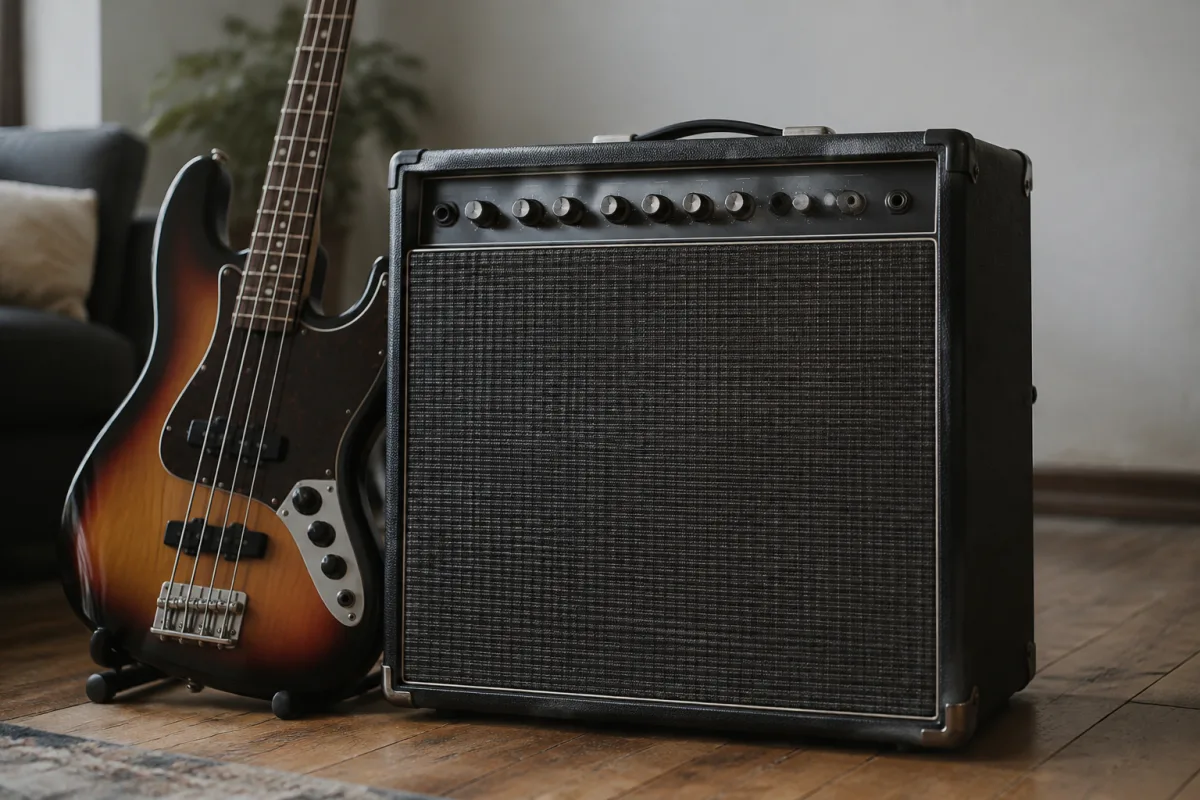
An electric bass guitar amp is the foundation of your tone, shaping how your instrument is heard in a band, on stage or in the studio. Unlike guitar amplifiers optimised for midrange presence, a proper electric bass guitar amp must reproduce low frequencies accurately whilst delivering the power and clarity your bass deserves. This guide explores electric bass guitar amp characteristics and how to choose one matching your playing style and venues.
Understanding Electric Bass Guitar Amp Fundamentals
An electric bass guitar amp comprises two essential parts: the amplifier (raising your bass signal to powerful levels) and the speaker cabinet (converting electrical energy into acoustic sound). Quality bass reproduction demands larger speaker cones handling low frequencies without distortion. A typical electric bass guitar amp includes at least one 15-inch speaker or two 10-inch speakers, unlike guitar amps with smaller 12-inch cones.
Power rating (measured in watts) indicates how loud your electric bass guitar amp can play. Bedroom practice suits 20–50 watt combos. Small venue and rehearsal space work demands 100–150 watts. Professional touring and large venue bass work requires 250+ watts. Wattage alone doesn't determine volume—speaker efficiency matters equally, making some 100-watt amps louder than others rated higher.
Solid-State Versus Tube Electric Bass Guitar Amps
Solid-state electric bass guitar amps use transistors for amplification, offering reliability, light weight, low cost and high wattage. They dominate modern bass playing because they deliver consistent tone night after night without maintenance. Most working bass players choose solid-state for practicality.
Valve (tube) electric bass guitar amps warm and compress your tone naturally, adding character and musicality that many bass players love. Tube amps demand more maintenance (valve replacement every 2–3 years), weigh significantly more, cost substantially higher and require careful warm-up before playing. However, their tone is distinctive and beloved by jazz, classic rock and vintage-focused players.
Hybrid electric bass guitar amps combine tube preamps (colouring your sound with valve character) with solid-state power amps (delivering reliable amplification). This middle ground offers tube tone with solid-state convenience and weight, appealing to players wanting vintage character without valve maintenance.
Frequency Response and Tone Shaping
| Frequency Range | Musical Character | Adjustment Method | Role in Electric Bass Guitar Amp |
|---|---|---|---|
| Below 50Hz | Sub-bass, fundamental thump | Bass knob or subwoofer | Defines low-end presence in band mix |
| 50–150Hz | Punchy attack, power | Bass/low-mid knobs | Cuts through band mix; sustains notes |
| 150–500Hz | Warmth, body, roundness | Low-mid/mid knobs | Creates pleasing tone; can muddy |
| 500Hz–2kHz | Presence, definition, punch | Mid/presence knobs | Lets bass cut through mix; too much sounds aggressive |
| Above 2kHz | Treble, sizzle, articulation | Treble knob | Adds string noise detail and finger-pick articulation |
Understanding electric bass guitar amp tone shaping tools lets you dial in your ideal sound. Start with flat settings, then adjust based on your playing style and band context. Aggressive funk benefits from mid-boost and treble presence; smooth jazz prefers warm lows and reduced treble.
Combo Versus Head and Cabinet
A combo electric bass guitar amp integrates amplifier and speaker cabinet in one portable unit. Combos suit rehearsals, small venues and practice—everything you need fits in one case. Weight ranges from manageable 30kg for 100-watt models to unwieldy 60kg for powerful professional combos.
Head and cabinet configurations separate the amplifier head (sitting on top of or beside the speaker cabinet). This setup offers flexibility—upgrade heads or cabinets independently, choose multiple cabinet configurations for different venues, and leverage lighter heads with wheeled cabinets. Professional touring bass players prefer heads and cabinets.
Stack your electric bass guitar amp head on top of the cabinet for visibility during performance, or position the head at ear level for better monitoring. Multiple cabinet configurations let small combos rule bedroom practice; scalable head-plus-cabinet systems grow alongside your career from local gigs to international touring.
Key Features for Working Bass Players
An XLR direct output (balanced audio connection) lets you send a clean signal to the mixing console without microphone pickup. Essential for live venues where your electric bass guitar amp sits on stage but the audience hears you through the PA system.
Aux input and headphone output enable quiet practice without disturbing neighbours. Connect your electric bass guitar amp to a music player, backing track or drum machine to practise with accompaniment silently through headphones.
Compressor circuits (built-in on many electric bass guitar amps) smooth dynamics, taming peak volume spikes and maintaining consistent note-to-note level. This feature prevents sudden pops when popping strings and lets soft playing remain audible in a band mix.
Choosing Your Electric Bass Guitar Amp
Consider your actual playing environment. If 80% of playing happens in your bedroom or small rehearsal spaces, a 50-watt combo serves perfectly well and costs far less than professional-touring gear. If you gig regularly in mid-sized venues, a 100–150 watt combo or head with one cabinet provides adequate power and flexibility.
Try before buying. Tone is profoundly personal—the electric bass guitar amp that sounds perfect to your ears might sound mediocre to someone else. Bring your own bass to demo potential amplifiers in a shop or rehearsal space, playing actual music you perform.
Budget beyond just the amplifier. Quality speaker cables, instrument cable, stand or wheeled cart for transport, and a protective cover all contribute to your complete setup. These accessories seem secondary but protect your investment and improve your playing experience.
Maintenance and Longevity
Solid-state electric bass guitar amps require minimal maintenance—simply keep ventilation clear and avoid moisture. Check cables occasionally for damage. Regular playing is healthy for your amp; equipment stored unused for years sometimes fails during first power-on.
Tube amps demand more attention. Have valves tested and replaced by qualified technicians every 2–3 years depending on usage. Biasing (setting valve operating point) affects tone and longevity. Experienced bass players often prefer the maintenance ritual as part of their relationship with vintage instruments.
Amplifier and Instrument Synergy
Your electric bass guitar amp should complement your instrument, not fight against it. A cheap combo can't reproduce the natural beauty of an expensive hand-built bass; investing in solid amplification lets premium instruments shine. Conversely, a professional touring rig amplifies a budget student bass adequately.
The best electric bass guitar amp for your needs matches your actual playing scenarios, budget reality and tone preferences. Starting smaller and upgrading as your playing evolves makes more sense than overinvesting in gear you won't fully utilise. Your tone comes primarily from your hands and playing technique; your amp amplifies and colours that existing voice.
Professional Setup Considerations
Touring bass players use redundancy—carrying backup gear ensuring gigs proceed if primary equipment fails. Two identical smaller amps stack together matching the power of one large amp, providing backup whilst allowing tone tweaking on parallel channels.
Studio recording often uses direct box recording without amplifier coloration, but some producers want the electric bass guitar amp's warmth. Microphone placement on cabinet speakers captures natural recorded tone. Blending direct signal with mic'd cabinet output balances clarity and character.
The Right Electric Bass Guitar Amp Investment
An electric bass guitar amp transforms your instrument from modest bedroom whisper into commanding force within a band. Investing in proper amplification respects your bass and your bandmates' ears, allowing clean mix-ready tone that serves any playing context. Choose thoughtfully, test thoroughly and enjoy years of reliable musical companionship from your chosen electric bass guitar amp.


Comments