


Cool Bass Guitar article
Cool Bass Guitar for Beginners: A Complete Guide
Want a cool bass guitar but overwhelmed by options? This beginner's guide covers body styles, aesthetics, playability, and how to find a bass you'll love playing.
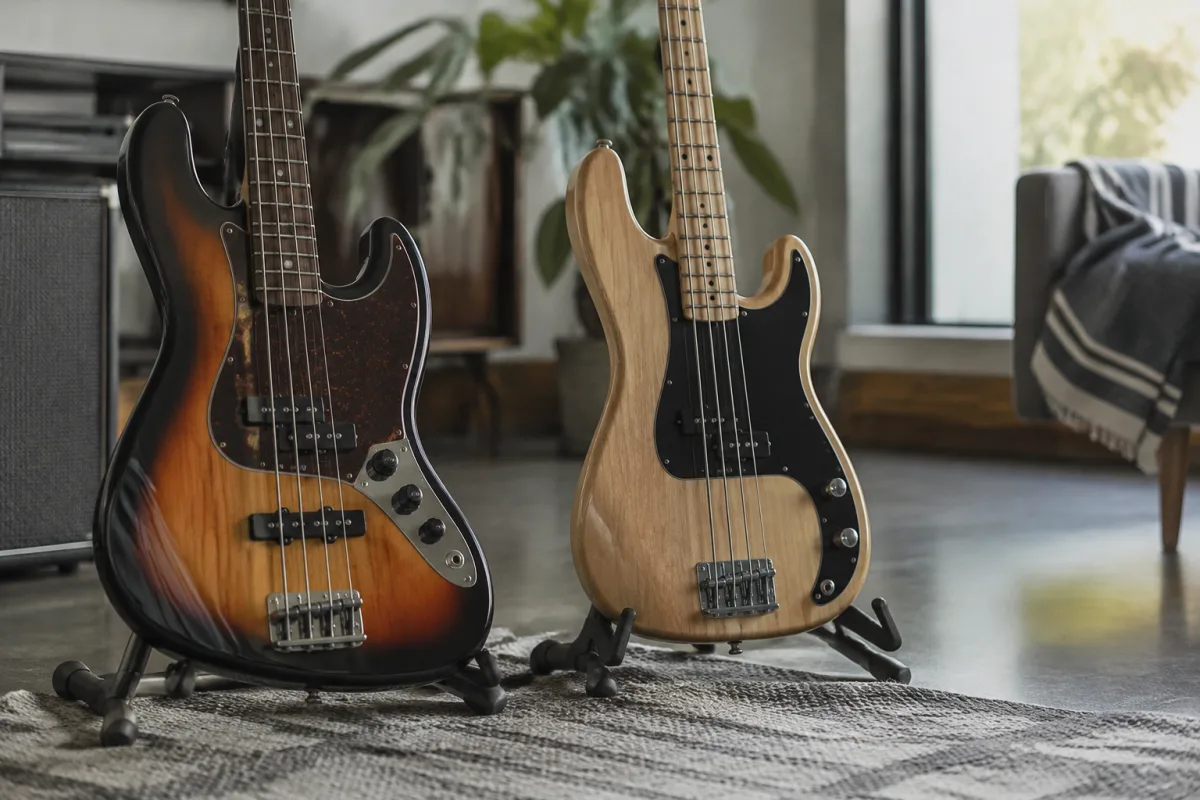
Thinking about buying a bass guitar but overwhelmed by the endless options? You want something that feels good to play, looks cool, and sounds professional—without spending a fortune or getting lost in confusing gear jargon. This guide cuts through the noise and helps beginners find a cool bass guitar that matches their style, budget, and musical ambitions. We'll focus on what actually matters: playability, tone, and that indefinable "coolness factor" that makes you want to pick it up every day.
What Makes a Bass Guitar "Cool"?
Cool is subjective, but some elements transcend opinion. A cool bass guitar is one that inspires you to play. It might be a sleek, minimalist design; an unusual colour; a vintage vibe; or simple elegance. It's also a bass that feels right in your hands—comfortable neck, responsive strings, and a tone that excites you. As a beginner, choosing a bass you genuinely like looking at and playing matters more than gear magazines suggest. You'll practise more if your bass makes you smile.
Understanding Bass Guitar Types
Precision Bass (P-Bass): The Fender Precision Bass is the industry standard. Thick, punchy tone with a no-nonsense aesthetic. Used in everything from rock to R&B, the P-Bass is the workhorse. If you want a reliable, versatile cool bass guitar, this is a safe, classic choice.
Jazz Bass (J-Bass): The Fender Jazz Bass offers a sleeker look and brighter tone than the P-Bass. Jazz basses have twin pickups and give more tonal variety. They're preferred by players seeking expressiveness and sophistication. Cosmetically, they're undeniably cool—thinner body, elegant lines.
Shortscale Bass: Shorter neck, lighter weight, and a brighter, punchier tone. Perfect for players with smaller hands or anyone who finds standard 4/4 basses unwieldy. Shortscale basses have a fun, accessible vibe that appeals to many beginners.
Boutique and Semi-Hollow Basses: These offer unique designs and tones. Semi-hollow basses have a resonant, woody warmth. Boutique manufacturers create custom looks and exceptional craftsmanship. Expensive but undeniably cool if you find one that speaks to you.
Budget-Friendly Cool Basses: Brands like Squier, Ibanez, and Yamaha make affordable basses with modern designs and solid playability. You don't need to spend a fortune to own something cool.
Picking the Right Body Style
Bass guitar bodies come in various shapes, each with visual and sonic personality:
- Solid Body (Most Common): Dense wood bodies produce focused, punchy tones. They're durable, versatile, and work in any genre. Look for designs that appeal to you—sleek finishes, unique contours, or classic lines.
- Semi-Hollow Body: Partially hollow chambers produce warmth and resonance. These look sophisticated and sound distinctly mellow. Great for jazz, funk, and R&B. More expensive but visually striking.
- Chambered Body: A middle ground—solid appearance with subtle chambers for warmth. Less extreme than full semi-hollow but adds character to tone and appearance.
Finish and Aesthetics
Visual appeal matters when you're learning. You'll play more if your bass looks cool to you. Consider:
Sunburst Finish: Classic two or three-tone gradient. Timeless, never goes out of style. Works for any genre.
Solid Colours: Black, white, blue, or custom hues. Solid colours can look modern or retro depending on the body shape. Pick something you'll still love in five years.
Natural Wood: Ash, alder, or maple bodies with minimal finish. Reveals the wood grain, giving a warm, organic look. Often associated with high-end basses but available in budget models too.
Metallic and Pearl Finishes: Eye-catching, modern aesthetic. Stand out on stage. Ensure the finish quality is good—cheap metallic can look plastic.
Worn or Relic Finishes: Deliberately aged to look vintage. Trendy but divisive. If you like it, great; if not, skip it. Trends fade.
Neck and Playability: Where Feel Matters Most
A cool bass is only cool if it plays well. Pay attention to:
Neck Thickness: Thinner necks are easier on the fretting hand but can feel less solid. Thicker necks give more substance and stability. Try different thicknesses if possible—preferences vary.
Fretboard Material: Rosewood (warm, darker) and maple (bright, lighter) are most common. Both work beautifully. Choose based on aesthetics and feel.
Scale Length: Standard 4/4 basses have a 34-inch scale. If you have small hands or prefer a tighter feel, consider a 32-inch shortscale. Scale length affects tone (longer = deeper) and playability.
Fret Condition: Check that frets are level and smooth. Play up and down the neck. Listen for buzzes or dead spots. Good fret work is invisible but essential.
Pickups and Tone
Pickups convert string vibration into electrical signal. Different pickups produce different tones:
Single-Coil Pickups: Bright, punchy, prone to hum in electrical noise. Classic tone used in Precision Bass models. Direct and cutting.
Humbucker Pickups: Warm, thick, noise-free. Used in many modern basses. Full-bodied and articulate.
Split-Coil Pickups: A hybrid approach—two coils in one housing. Warm but punchy. Growing popular in modern designs.
For beginners, the pickup type matters less than trying the bass in person and hearing how it sounds. Every bass sounds slightly different—play before buying if possible.
Budget Considerations for Cool Bass Guitars
| Budget Range | What to Expect | Best For |
|---|---|---|
| £150–£300 | Solid playability, decent tone, basic finishes, entry-level brands | Absolute beginners, those unsure about commitment |
| £300–£600 | Good tone, better build quality, attractive finishes, brand recognition | Serious beginners, hobbyists planning regular play |
| £600–£1200 | Excellent tone, superior craftsmanship, unique designs, pro-grade playability | Committed players, working musicians, those with refined taste |
| £1200+ | Boutique quality, exceptional tone, custom options, collector value | Professionals, collectors, lifetime investment |
You can own a genuinely cool bass guitar in the £300–£500 range. Don't overspend early. As your skills and tastes develop, upgrade later.
Testing a Cool Bass Guitar Before Buying
If possible, always play before committing:
- Hold it: Does the weight feel right? Does your arm rest comfortably? Can you reach the first fret without strain?
- Play open strings: Do they ring clearly without buzzing? Is intonation reasonable?
- Fret high and low: Check the entire neck plays smoothly.
- Listen to the tone: Does it inspire you? Play through an amplifier if possible.
- Play a simple riff: This is what you'll do most as a beginner—does it feel intuitive?
- Trust your gut: If it doesn't feel cool or right, pass. You'll know when you find your bass.
Brands Known for Cool Bass Guitars
Fender: Iconic Precision and Jazz Bass models. Expensive but industry standard. Squier (Fender's budget line) offers cool designs at affordable prices.
Ibanez: Modern designs, comfortable necks, excellent value across price tiers. Known for playability and aesthetics.
Yamaha: Reliable, great tone, often underrated. Affordable and cool without trying too hard.
Musicman/Sterling: Distinctive designs, warm tone, growing popularity with beginners discovering them.
Schecter: Bold designs, affordable, excellent playability. Great for rock and alternative players.
Epiphone: Budget-friendly Gibson designs. Vintage vibes at approachable prices.
Common Beginner Mistakes When Choosing
Buying solely on looks: Aesthetics matter, but playability trumps pretty. A gorgeous bass that hurts to play gets forgotten. Balance both.
Choosing based on a celebrity's bass: The cool bass your favourite bassist plays might not suit your hands, style, or budget. Use it as inspiration, not a directive.
Skipping the setup: A poorly set-up bass plays terribly. Budget £30–£50 for a professional setup when you buy. This transforms playability.
Ignoring amplifier synergy: Your bass tone depends on both the bass and the amp. Play your bass through different amps if possible to hear how they interact.
Overthinking tone before playing: As a beginner, technique matters far more than gear tone. Spend money on a playable cool bass you love; learn to play well. Tone upgrades come naturally later.
Building Your First Cool Bass Setup
A cool bass guitar is the start. You'll also need:
- Amplifier: Even small 10–15W amps work for practice. £80–£200.
- Cable: Connects bass to amp. £10–£20.
- Strap: Comfortable strap makes practice enjoyable. £15–£40.
- Tuner: Essential for staying in tune. £15–£50.
- Strings: Replace worn strings every 3–6 months. £15–£30 per set.
The Long View
Your first cool bass guitar is the beginning of your musical journey. It doesn't need to be expensive or perfect. It needs to inspire you to pick it up and play. As your skills develop and your taste refines, you'll naturally progress to different basses. But that first cool bass—the one that made you fall in love with playing—you'll remember forever.
For a comprehensive exploration of bass guitar options, styles, and how to match them to your musical goals, consult the complete guide to cool bass guitar.
Conclusion
Finding your first cool bass guitar is exciting. Focus on playability, tone, and aesthetics that genuinely appeal to you. Test before buying if possible. Budget £300–£500 and invest in proper setup. Choose a design that makes you smile every time you see it. Your bass is your musical voice—pick one you'll be excited to practise on. That cool factor? It's not shallow. It's what gets you playing every single day.



Comments