


Black Electric Bass Guitar article
Black Electric Bass Guitar for Beginners: A Complete Guide
Starting your bass guitar journey doesn't need to be daunting. This guide walks you through choosing your first black electric bass guitar, the essential gear you need, and how to avoid common beginner pitfalls.
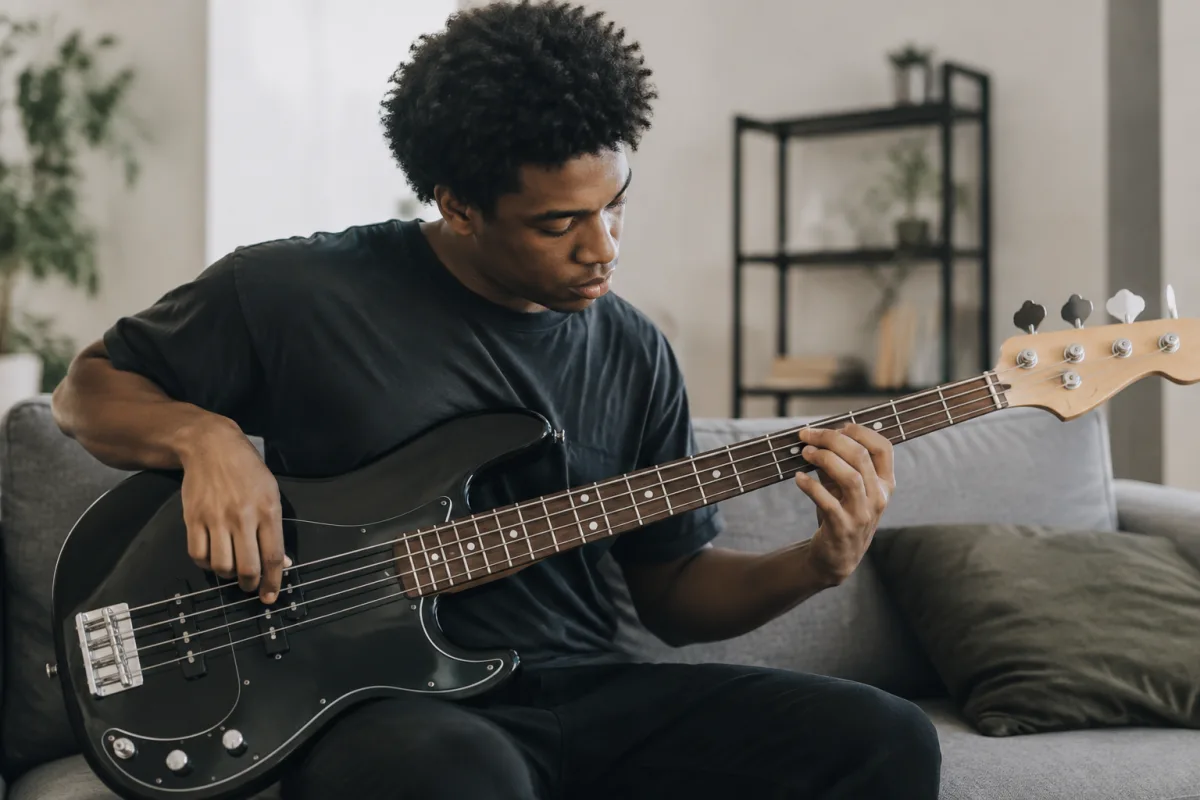
Starting your bass guitar journey is an exciting decision, and the good news is that you don't need expensive gear to get going. This guide walks you through the first steps, helps you avoid common beginner pitfalls, and gives you the confidence to pick up your first instrument. If you want a deeper understanding of what makes this instrument work, check out our complete guide to black electric bass guitars, but here we're focused on getting you playing quickly and comfortably.
Why a Black Electric Bass Guitar Is Perfect for Beginners
A black finish is one of the most forgiving choices when you're just starting out. Black is a timeless colour that looks professional and matches any style, so you won't feel self-conscious about your instrument's appearance as you learn. The black finish is also practical — it hides fingerprints and dust better than lighter finishes, so your bass will look fresh even after a few weeks of practice.
Electric bass guitars are ideal for beginners because the amplified sound is clean and clear, making it easier to hear whether you're playing the right notes. Unlike acoustic instruments, you're not fighting with the instrument's natural resonance, and the action (string height) is typically lower, which means your fingers won't hurt as quickly when you're building up your calluses.
Choosing Your First Black Electric Bass Guitar
The first step is not to overthink it. Your initial bass guitar doesn't need to be expensive or boutique. Look for these essentials in your first instrument:
- Solid body: A solid-body bass (rather than semi-hollow or hollow) is stable, affordable, and easy to amplify without feedback.
- Four strings: Stick with a standard 4-string bass. Five- and six-string basses add complexity that you don't need when learning basics.
- Comfortable neck: The neck should feel good in your hand. If it's too thick or too thin, playing becomes a chore. If possible, try before you buy.
- Good tuning stability: Your bass should hold its tuning after a few days of playing. Cheap tuning pegs will frustrate you early on.
- Budget: A decent beginner bass costs £150–400. Below £150, quality drops sharply. Above £400, you're paying for features you won't use yet.
Instruments in this price range with black finishes are plentiful. Popular beginner options include Squier Precision Bass and Affinity series models, Ibanez Mikro (a shorter-scale option if you have smaller hands), and Harley Benton (excellent value from Thomann). All come in black and are genuinely playable out of the box.
Essential Gear Beyond the Bass
Your black electric bass guitar alone won't make a sound — you need a few other pieces to get started:
| Item | Why You Need It | Budget Estimate |
|---|---|---|
| Bass amplifier | Amplifies the bass signal so you can hear yourself play. A 15–30W combo amp is fine for bedroom practice. | £80–150 |
| Bass cable | Connects your bass to the amp. Don't skimp — a cheap cable picks up interference and sounds thin. | £10–20 |
| Bass picks and/or spare strings | Picks wear out; strings break. A handful of each costs very little and keeps you playing. | £5–10 |
| Tuner | Essential for keeping in tune. A chromatic pedal tuner works for bass and guitar. | £15–40 |
| Strap | Holds your bass while standing. Most basses come with one, but a comfortable strap matters for longer practice sessions. | £10–30 |
Total starter budget: around £250–350 for bass, amp, and accessories. This won't break the bank and sets you up properly.
Your First Week: Getting Comfortable
Once you have your black electric bass guitar and amp, the goal is simple: get comfortable holding it and making clean sounds. Don't aim for songs yet.
Sit down with the bass resting on your left leg (if you're right-handed) or right leg (if left-handed). Your fretting hand should be able to reach the first fret without your arm stretching uncomfortably. Your picking or plucking hand should be relaxed and able to reach all the strings. Adjust the strap length and your position until this feels natural.
Spend fifteen minutes a day plucking each string open (without fretting) and listening to the tone. Learn the note names: the thickest string is E, then A, D, and finally G on the thinnest string. This muscle memory is the foundation of everything you'll play.
Common Beginner Mistakes to Avoid
Learning bass is straightforward if you sidestep a few classic traps:
- Pressing too hard: New players often grip the neck tightly, thinking it helps accuracy. It doesn't — it just tires your hand and builds bad habits. Use the minimum pressure needed to get a clean note.
- Playing too fast: The urge to tackle full songs immediately is understandable but counterproductive. Learn to play slowly, clearly, and in time before adding speed. Slow practice is advanced practice.
- Ignoring your amp settings: An amp set to maximum volume and gain will sound muddy and harsh. Spend ten minutes experimenting — lower the gain, adjust the volume to a comfortable level, and listen to how your instrument's tone changes.
- Neglecting maintenance: Your bass is an instrument, not a toy. Wipe down the neck and body after playing to remove oils and sweat. Change the strings when they sound dull (every 3–6 months for a beginner). Keep it in a case or gig bag.
- Expecting instant progress: Bass takes time. You won't play fluently in a month. The first week is about comfort, the first month is about simple patterns, and real progress happens over months. Patience is your biggest asset.
Finding Your First Songs
After a week or two of basics, you're ready to learn a real song. Start with songs that have simple, repeating bass lines — typically classic rock, reggae, or funk tracks with steady, single-note grooves. Avoid complex jazz, prog-rock, or anything with fast fretboard movements.
Online resources like tabs websites, YouTube channels dedicated to beginner bass, and bass-specific apps make finding and learning songs free or cheap. Search for "beginner bass tabs" along with the song name and start with tracks you enjoy listening to — motivation matters when you're learning.
Building Confidence as a Beginner
Playing in front of others (even just friends at home) is intimidating at first. Remember that every bassist started exactly where you are now. Focus on steady, clean playing over speed or flashiness. A simple, well-played bass line is far more musical than a sloppy, complicated one.
Join an online community or local beginner's class if you can. Seeing other people learn alongside you takes the pressure off and opens up new ideas about the instrument. Many music shops offer cheap group lessons or open jam sessions for beginners — these are goldmines for learning and motivation.
The Path Forward
Your bass is your companion on a journey that can last decades. In the next few months, you'll move from basic comfort to playing recognisable bass lines. In your first year, you might join a band or jam with friends. The instrument opens doors that are worth the modest investment and effort you put in today.
Don't compare your Chapter 1 to someone else's Chapter 20. Your only job right now is to show up, pick up your bass, and have fun learning. Every professional bassist you admire was once exactly where you are — holding their first instrument, uncertain but excited. You're already on the right path.



Comments