


Bass Guitar Schecter article
The Complete Guide to Bass Guitar Schecter
Schecter bass guitars combine meticulous construction, ergonomic excellence and distinctive tone, appealing to developing and experienced players seeking quality instruments.
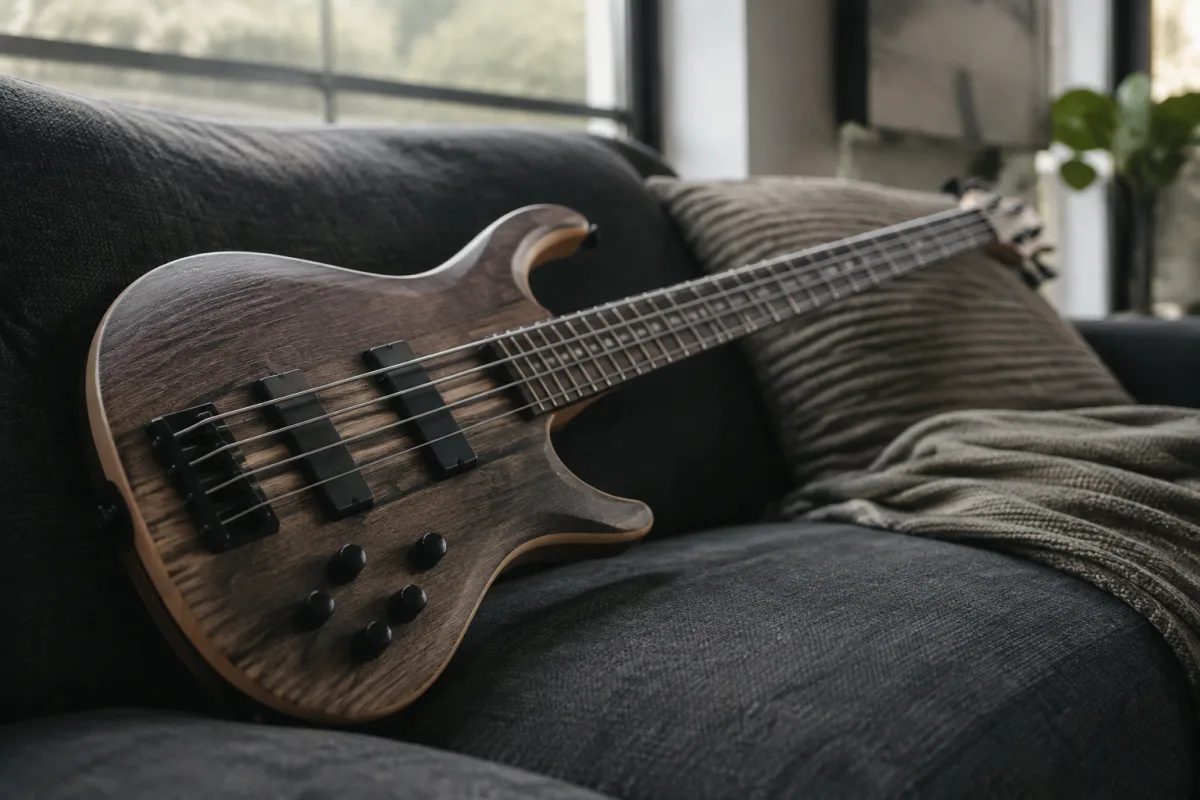
Schecter Bass Guitars: Quality Instruments for Discerning Players
Schecter bass guitars have earned a respected place in the low-end frequency realm, offering expertly crafted instruments that bridge the gap between budget-friendly entry models and luxury boutique creations. Originally founded as a guitar repair workshop in the 1970s, Schecter has evolved into a major manufacturer known for meticulous construction, innovative designs and tonal character that appeals to working musicians across rock, metal, funk and alternative genres. Whether you're a developing player seeking your first quality bass or an experienced musician searching for distinctive tone and build quality, Schecter's diverse range deserves serious consideration.
The Schecter Bass Guitar Philosophy
Schecter approaches bass design with an emphasis on playability and tonal character. The company deliberately avoids chasing market trends, instead focusing on constructing instruments that feel natural in the player's hands and produce compelling tone across musical contexts. This philosophy manifests in generous lower fret access—Schecter basses often feature cutaway designs allowing easy access to upper frets—and carefully selected tonewoods prioritising sonic warmth and sustain.
The brand's manufacturing combines American and Asian production. Models engineered in the United States and manufactured overseas represent excellent value; higher-end instruments built in America command premium pricing but deliver meticulous craftsmanship justifying the cost. This tiered approach ensures quality across the entire price spectrum.
Build Quality and Materials
Schecter bass guitars typically feature solid alder or mahogany bodies paired with maple or mahogany necks. The company prioritises tonewoods known for sustain and warmth rather than pursuing trendy exotic materials. Body contours are carefully shaped for comfort during extended playing; most Schecter basses sit naturally across the player's torso without causing fatigue or neck strain.
Fretwork is notably precise. Schecter invests in quality fret material and meticulous installation, resulting in instruments requiring minimal setup out of the box. Many players report that Schecter basses arrive play-ready, rare for instruments at the brand's price points. This attention to fundamental construction quality distinguishes Schecter from competitors prioritising cosmetic features over playability.
Hardware quality varies across the range. Budget models include adequate but basic hardware; mid-range instruments feature quality tuning machines and robust bridges. Higher-end models incorporate premium hardware from established suppliers, offering smooth operation and longevity. Bridge design receives particular attention—Schecter bridges effectively balance sustain with controlled resonance.
Electronics and Tone
Schecter offers both active and passive electronics depending on model and specification. Passive basses deliver warm, natural tone with transparent character—ideal for players valuing authenticity and tonal honesty. Active electronics include sophisticated tone shaping via on-board EQ, enabling diverse tonal range from punchy clarity to warm depth.
Pickup configurations vary widely. Single-humbucker designs produce warm, focused tone; dual-humbucker setups deliver fuller frequency response with greater sustain. Some models feature split-coil pickups or innovative hybrid configurations. The pickup choice often determines the instrument's sonic personality as much as body construction.
Schecter's tone reputation centres on warmth and clarity—the basses don't impose aggressive character but instead translate playing technique transparently. This neutral, responsive approach appeals to players seeking instruments that adapt to their individual voice rather than imprinting branded character on their playing.
Model Range and Specialisation
Schecter produces diverse bass guitar types addressing different playing styles and budgets. The Stiletto series offers modernist designs with pointed horns and sleek contouring—visually distinctive whilst maintaining comfort and balance. The Hellraiser range appeals to metal and hard rock players, featuring aggressive aesthetics and solid construction. Traditional models draw inspiration from classic designs, offering comfort and familiarity to players seeking established bass guitar ergonomics.
The Banshee range provides budget-conscious entry points to Schecter quality, typically featuring adequate electronics and solid playability at accessible price points. Mid-range models like the Omen series offer refined specifications without luxury pricing. Higher-end collections showcase meticulous craftsmanship and premium materials justifying significant investment.
Bass types include four-string, five-string and six-string configurations. Fretless options appeal to players seeking upright-like tone and feel. Custom shop instruments provide bespoke builds addressing specific requirements, though these command premium pricing reflecting artisanal construction.
Playing Characteristics
Schecter basses earn praise for ergonomic excellence. Neck profiles are carefully engineered—not too chunky for developing hands, not too thin for confident gripping. String spacing typically feels generous without awkward extremes, accommodating various hand sizes and playing techniques. Many players report transitioning to Schecter from other brands and finding the instrument's balance and comfort immediately satisfying.
The action—distance between strings and fretboard—can be set quite low on most Schecter models without incurring fret buzz, enabling comfortable rapid playing. However, this responsiveness demands proper setup; an inadequately adjusted Schecter may exhibit buzz that professional setup easily remedies.
Playability extends to the upper frets. Many Schecter designs feature pronounced cutaways enabling comfortable access to higher positions—particularly valuable for adventurous players exploring melodic registers or complex fingering patterns. This thoughtful design detail distinguishes Schecter from competitors offering upper fret access only in premium models.
Tone Response and Musical Versatility
Schecter bass guitars adapt well across musical genres. The tonal character—warm midrange, controlled lows and articulate highs—suits rock, funk, jazz and alternative contexts equally. Metal players appreciate the solid construction and punchy response; soul and funk musicians value the warmth and groove-oriented tone; jazz and progressive players exploit the harmonic complexity and sustain.
The pickups' output usually sits at moderate levels—neither aggressively hot nor weak and demanding amplifier sensitivity. This middle ground suits most playing contexts and amplification approaches without requiring specialized equipment tailoring.
Value Proposition and Investment
Schecter bass guitars offer exceptional value across their price spectrum. Budget models at £250–350 deliver surprising quality and playability uncommon at that price point. Mid-range instruments at £400–700 compete favourably with established brands whilst offering superior attention to playability details. Premium models at £1,000–1,500 represent strong value compared to boutique luthiers or luxury imports.
Resale value remains solid. Used Schecter basses command reasonable prices in the secondary market, reflecting the brand's reputation and player base. A well-maintained Schecter frequently appreciates or holds value, making it a sensible investment for serious players.
Common Schecter Player Profiles
Working musicians frequently choose Schecter for its reliability, tonal adaptability and durability under touring rigours. Developing players often favour Schecter's ergonomic excellence and affordable entry to quality construction. Experienced players seeking distinctive tone and character whilst avoiding premium luxury pricing often select Schecter as their working instrument. Metal and hard rock specialists appreciate the brand's aesthetic alignment with heavier genres.
Your Next Bass Guitar
If you're considering a Schecter bass guitar, prioritise trying multiple models to discover which playability characteristics suit your hands and technique best. The brand's diverse range means something genuinely special likely exists for your particular playing style and budget. Schecter's consistent quality across price points means you won't sacrifice fundamental craftsmanship for affordability, a rarity in the modern bass guitar market.


Comments