


Bass Guitar Jackson Buying guide
Bass Guitar Jackson: A Complete Buyer's Guide
Jackson bass guitars span entry-level to professional models. This guide compares series, specs, and value across different price tiers.
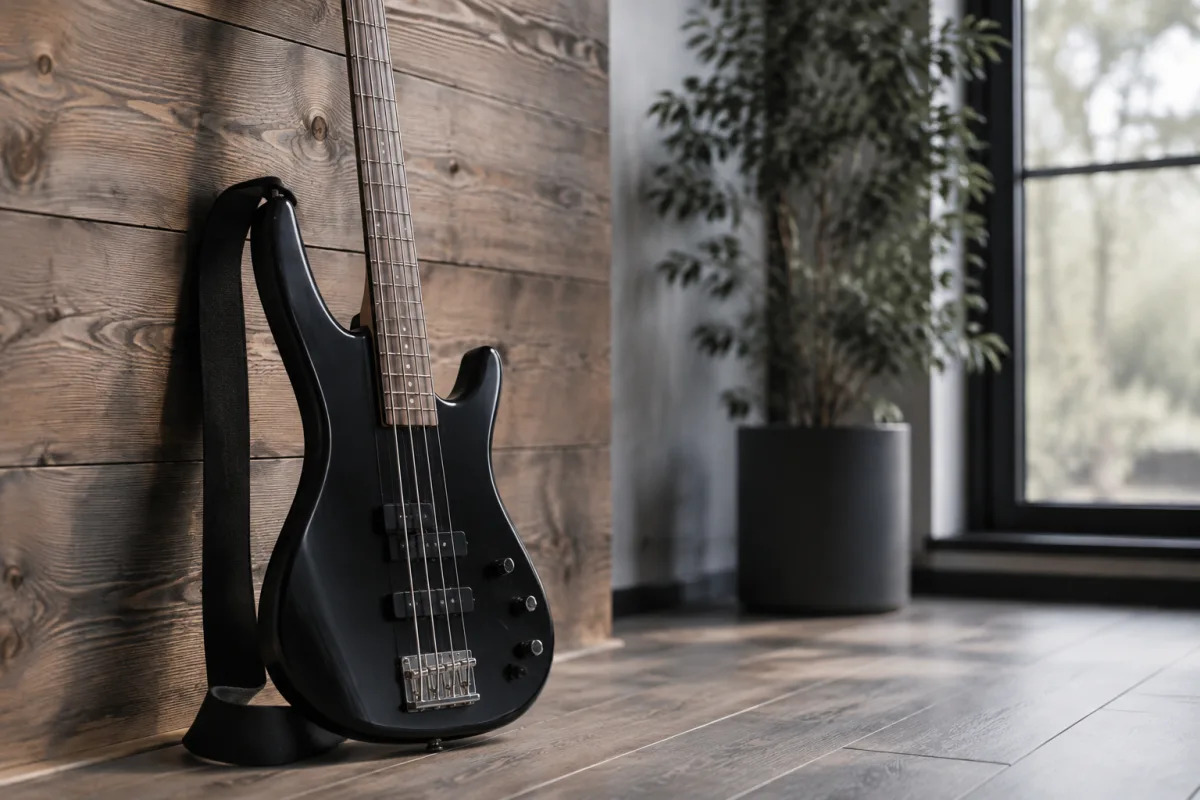
Jackson bass guitars span a range of styles, price points, and specifications — from budget-friendly entry models to high-end boutique instruments. Choosing the right bass guitar Jackson offers requires understanding what separates models, what specs genuinely matter for your playing, and where value lies across the spectrum. This buying guide covers practical considerations to help you match a bass guitar Jackson to your needs and budget.
Understanding Jackson Bass Guitar Models
Jackson manufactures several bass guitar lines targeting different markets. The JS series (around £200–400) offers entry-level bass guitar instruments with solid fundamentals — decent pickups, reliable hardware, playable necks. The Pro series (£500–1200) steps up materials and electronics on their bass guitars. Artist signature bass guitar models (£800–2000+) represent top-tier specifications. High-end custom shop bass guitar instruments (£2000+) are made-to-order with premium woods and hardware.
For most players, JS or Pro series bass guitar options provide excellent value. Custom bass guitar models offer marginal improvements unless you have specific needs. Avoid buying beyond what you'll actually use — a gigging bassist doesn't need a £3000 bass guitar Jackson custom any more than a bedroom player needs a £1500 pro bass guitar.
Body Style and Comfort: Critical for Long Sessions
Jackson bass guitars come in multiple body styles, each with different ergonomics. The traditional offset body (like Fender Precision or Jazz shapes) suits most players. Jackson's unique body contours are designed for comfort during extended play, particularly the shape hugging your torso when standing or sitting.
Try before buying. Body size and balance affect comfort during 2+ hour rehearsals or gigs. A bass that feels great for 15 minutes might cause shoulder or back strain in longer sessions. If buying online, confirm return policies — ergonomic fit is too personal to buy blind.
Neck Profile and Playability
Jackson necks are typically thinner and more streamlined than some competitors, appealing to players with smaller hands or those preferring reduced finger fatigue. However, thickness varies by model. Entry-level JS basses have slimmer necks; pro models offer slight variations. Neck width (typically 1.625–1.75 inches at the nut) affects string spacing and comfort.
Test multiple neck profiles if possible. Some players love thin necks for speed; others find them fatiguing or unstable feeling. Your hand size, playing technique, and personal preference matter far more than specifications. A thicker neck that feels right beats a thinner one that feels uncomfortable.
Pickups and Electronics: The Tone Foundation
Jackson bass guitars feature different pickup configurations by model tier. Single-pickup designs (typically bridge position) are cheaper and simpler; dual-pickup designs (neck and bridge) offer more tonal range. Entry-level Jackson bass guitars use budget pickups adequate for most styles. Pro series bass guitar Jackson instruments include upgraded pickups with better clarity and output.
Electronics quality varies too. Simple 2-knob designs (volume and tone) are easy to understand; more complex preamps with EQ controls offer tonal flexibility but add complexity and cost. For beginners, simplicity is virtue. Advanced players might appreciate onboard EQ.
Test the tone through a proper amp before committing. Pickups sound radically different through quality amplification than through headphones or weak practice amps. If possible, A/B compare different Jackson models to hear how pickups differ.
Hardware Quality: Tuning Stability and Durability
Entry-level Jackson bass guitar models use basic hardware — cast tuning machines, cheaper bridges, stamped metal hardware. These work reliably but may require adjustment or replacement. Pro series Jackson bass guitars feature die-cast tuning machines (more stable, better for holding tuning), upgraded bridges, and heavier hardware throughout.
Check tuning machine quality. Premium machines hold tuning better and require less frequent adjustment. Bridge construction matters too — a solid bridge resists bending and maintains intonation better. These aren't flashy upgrades, but they affect day-to-day playing experience.
Woods and Construction: Aesthetics vs. Function
Jackson uses various woods for bodies and necks. Basswood is budget-friendly and consistent; alder and ash are mid-range and slightly brighter sounding; mahogany and walnut are premium and expensive. In practice, the wood species affects tone subtly — playing technique, pickup quality, and amplification matter far more.
Neck construction (bolt-on vs. set neck) affects sustain and resonance. Bolt-on necks are cheaper and easier to repair; set necks (glued permanently) offer slightly better sustain. For most players, the difference is inaudible. Choose based on your other preferences, not wood species marketing.
Price Tiers and Value Assessment
£200–400: Entry-level Jackson bass guitar series. Solid fundamentals, playable bass guitar options suitable for beginners. Expect budget pickups; the investment is learning-friendly.
£400–700: Mid-range Jackson bass guitar and entry Pro models. Better pickups, more stable hardware on Jackson bass guitars. Good value for serious players and gigging musicians.
£700–1500: Professional Jackson bass guitar Pro series and signature models. Premium electronics, quality hardware. Worth the premium if you gig regularly.
£1500+: High-end Jackson bass guitar Pro models, artist signatures, and custom shop instruments. Marginal improvements over £1000 bass guitar options. Only justified for professional touring or specific customization preferences.
Common Buying Mistakes
Don't assume more expensive automatically means better. A £400 Jackson in good condition with proper setup often outperforms a £1500 model in poor setup. Maintenance and proper adjustment trump expensive hardware.
Avoid buying based on aesthetics alone. A beautiful bass that doesn't play comfortably is expensive frustration. Prioritise playability and sound over finish and design.
Don't overlook setup. A budget Jackson properly set up plays better than an expensive model with factory setup. Factor professional setup (£50–100) into your budget — it's one of the best investments.
And resist buying more instrument than you'll use. A bedroom bassist doesn't need a £1500 pro model any more than a pro touring musician should settle for a £250 entry-level bass. Match purchase to realistic needs.
Matching Jackson Bass Guitars to Your Level
Beginning bassist? A £300–400 JS series instrument with proper setup is ideal. Serious hobbyist or casual gigging? £500–800 models offer excellent value. Professional touring? Pro series (£800–1500) provides reliability and tone you'll trust on stage. Endorsement deals or specific aesthetic requirements? Custom shop options exist, but they're niche.
Cross-link: For detailed specifications and comparisons of all Jackson bass guitar models, read our complete guide to Jackson bass guitars.
Making Your Decision
Choosing a Jackson bass requires balancing budget, ergonomics, tone preferences, and lifestyle needs. Spend time playing multiple models, have them properly set up before final decisions, and trust your instincts about comfort and tone. A well-chosen Jackson serves you for years as your skills develop and your musical needs evolve.


Comments