


Bass Guitar Direct Box Buying guide
Bass Guitar Direct Box: A Complete Buyer's Guide
A bass guitar direct box is one of those pieces of gear that seems simple until you're standing in a music shop facing twenty options. Whether you're buying for studio recording, live performance, or rehearsal room flexibility, understanding what separates a genuinely useful direct box from an expensive paperweight transforms your investment.
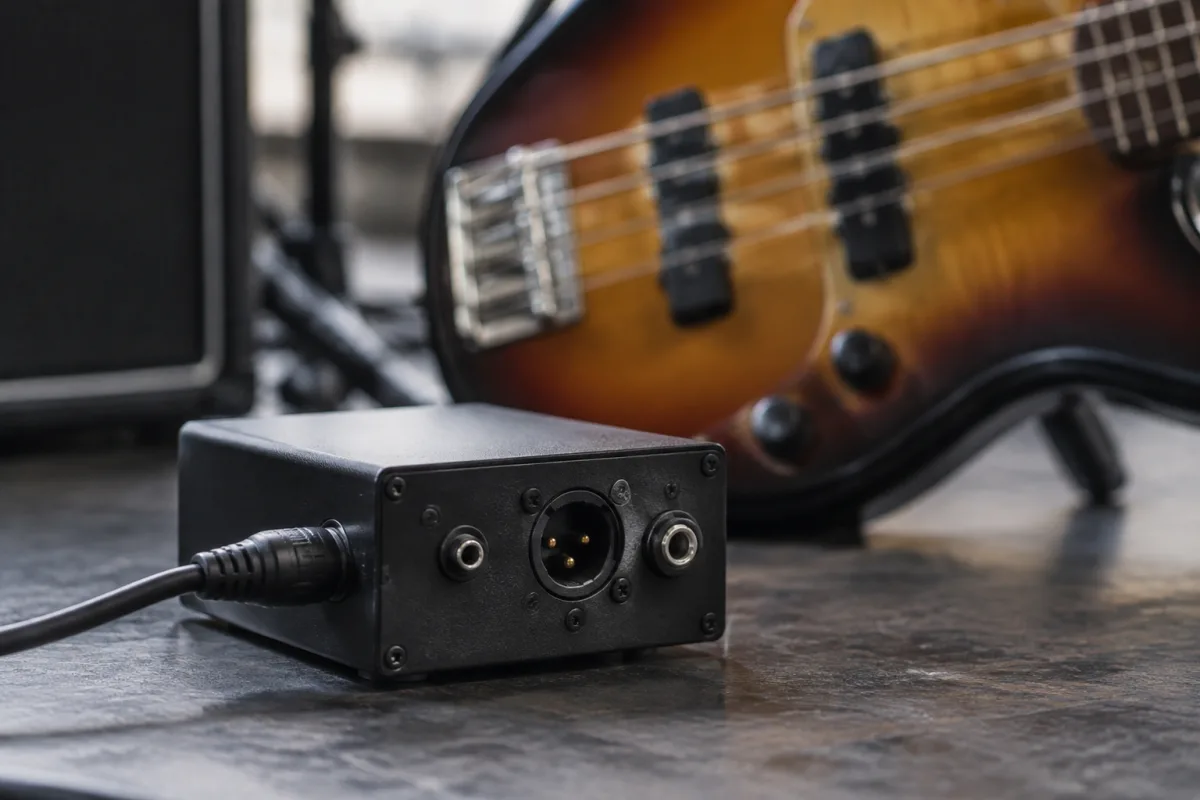
A bass guitar direct box is one of those pieces of gear that seems simple until you're standing in a music shop facing twenty options. Whether you're buying for studio recording, live performance, or rehearsal room flexibility, understanding what separates a genuinely useful direct box from an expensive paperweight transforms your investment. This guide cuts through the complexity and shows you exactly what to look for, what costs money for good reason, and where you can save without compromising quality.
What Actually Matters: The Core Specs
Before examining specific models or brands, understand what each specification does for you. A bass guitar direct box isn't complicated, but the choices matter.
Impedance matching: Your bass guitar outputs high impedance (typically 250k ohms), while most audio equipment expects low impedance. A quality bass guitar direct box converts this. Look for units with switchable impedance: "instrument" mode (high impedance input) and "line" mode (low impedance). This flexibility means one unit works with your bass, keyboards, and whatever other instruments you connect.
Gain control: A passive direct box provides simple level matching. An active bass guitar direct box (powered by battery or phantom power) adds gain adjustment and signal conditioning. For live use where you might connect to different mixing boards, an active direct box eliminates surprise volume drops. This is worth the extra £20-40.
Ground lift switch: This eliminates hum caused by ground loops (common when connecting between stage and mixing desk). Not all bass guitar direct boxes include it, but if you're spending money, this feature should be non-negotiable. Test ground lift by connecting your setup—if 50Hz hum appears, ground lift should eliminate it completely.
Connection Formats: What Your Bass Plugs Into
Bass guitar direct boxes come in several configurations. Matching your needs prevents expensive mistakes:
- Single XLR input, XLR output: This is the standard. Your bass plugs into a quarter-inch jack, the direct box outputs balanced audio on XLR. Look for quarter-inch inputs with good construction; loose input jacks are a common failure point. Avoid boxes with flimsy plastic jacks—metal construction survives real-world touring.
- Dual input (bass and keyboard): Some bass guitar direct boxes handle two instruments simultaneously. If you switch between bass and keyboard mid-set, this saves plugging/unplugging. However, they're slightly larger and often pricier. Only buy dual input if you genuinely use both.
- Multiple outputs: Professional bass guitar direct boxes offer XLR out, quarter-inch through (sent to amplifier), and sometimes additional outputs for parallel processing. If you're sending signal to both a mixing desk and your amp, "thru" output is essential. Check that thru output is independent—you want to send full unprocessed signal to your amp.
Price Tiers Explained: When Spending More Actually Helps
Bass guitar direct boxes range from £30 to £300+. Understanding what you're buying at each level prevents waste:
Budget tier (£30-60): These passive units work fine for studio recording where you're not switching cables or dealing with ground loops. Expect plastic construction and minimal controls. A budget bass guitar direct box works if you plug it in once and leave it. For touring or frequent setup changes, budget options frustrate quickly.
Midrange tier (£60-150): This is where most touring bassists operate. An active bass guitar direct box with impedance switching, ground lift, and solid construction costs around £80-120. You get reliability, real gain control, and audio quality improvement. The sweet spot for balancing cost and dependability. Brands in this range ship boxes that survive years of touring.
Premium tier (£150+): At this price, you're buying boutique build quality, superior transformers, and additional features like mid-boost switches or multiple outputs. These appeal to session players or serious studio engineers. For most bassists, premium options deliver 80% of the benefit of a midrange box at 200% of the cost. Unless you're recording bass for commercial release, a midrange bass guitar direct box outperforms your needs.
Essential Features vs. Luxury Additions
When examining specific models, prioritise ruthlessly. This separates sensible purchases from expensive gadgetry:
Essential: Solid quarter-inch input jack, XLR output, ground lift switch (if active), battery or phantom power option (if active). These features are non-negotiable. If a bass guitar direct box lacks them, skip it regardless of price.
Useful: Impedance switching, separate thru output, LED power indicator. These enhance usability but aren't absolutely essential. If a unit costs £30 extra for impedance switching and you don't use multiple instrument types, the feature doesn't justify the expense.
Luxury: Chromatic tuner, compressor, EQ controls, multiple outputs for parallel processing. Some bass guitar direct boxes integrate extras that duplicate features on your amplifier or mixing board. Ask yourself: would I use this? If the answer is uncertain, you're not buying a feature—you're paying for unused complexity.
Common Purchasing Mistakes
These decisions trip up most first-time direct box buyers:
- Underestimating cable quality: A bass guitar direct box with poor-quality cables connecting it defeats the purpose. Invest in decent XLR cables (£10-15 per cable). Bad cables introduce noise that no direct box handles. Check cable continuity with a multimeter or listen test—hum shouldn't appear when you touch the shield.
- Buying passive when active is needed: If you're playing live through different sound systems, an active bass guitar direct box with gain control transforms your flexibility. Don't assume your bass output remains consistent across venues. Active direct boxes cost only slightly more and eliminate setup hassles.
- Choosing USB direct boxes for anything except recording: USB bass guitar direct boxes (with built-in audio interface) are brilliant for direct to computer recording but terrible for live use. Live requires balanced XLR outputs. Don't conflate recording interfaces with performance direct boxes.
- Ignoring build durability: Plastic-bodied bass guitar direct boxes crack if dropped. Metal cases cost a bit more but survive touring. If your unit spends time in a gig bag, durability matters. Cheap plastic breaks; reasonable metal construction lasts years.
- Forgetting power requirements: Active bass guitar direct boxes need phantom power from your mixing desk or a battery. Confirm your venue provides phantom power, or budget for fresh batteries (£5-8 per show). Nothing's worse than soundcheck revealing your direct box has no power.
Comparing Popular Options: What Money Actually Buys
Rather than recommending specific models (which date quickly), understand category characteristics. A passive bass guitar direct box is inexpensive, bulletproof, and suitable for fixed-position studio use. An active bass guitar direct box with impedance switching and ground lift serves touring bassists brilliantly. Premium bass guitar direct boxes add construction quality and extra features but don't fundamentally improve audio performance beyond the active category.
Test any bass guitar direct box before purchasing. Connect your bass, listen for noise or hum, engage ground lift, and verify all switches function smoothly. Poor switches jam or fail during tours. Solid switches feel positive and reliable. This tactile feedback often indicates overall build quality.
Scenario-Based Buying Advice
Studio recording at home: Buy a passive or budget active bass guitar direct box. You're not moving it or switching venues. Spending £150+ is unnecessary. A £50 unit works perfectly for home recording.
Touring bassist: Invest in midrange active bass guitar direct box (£80-120) with ground lift, impedance switching, and thru output. You'll plug/unplug frequently and face different mixing desks. A reliable active unit eliminates surprises.
Session player: Consider premium options if you're recording commercially. Higher-end bass guitar direct boxes integrate nicely with studio chains. For session work, audio quality differences matter more than for live performance.
Rehearsal and club gigging: Midrange active bass guitar direct box balances cost and reliability. You're not touring internationally, but you're moving between venues. A rugged active box handles this perfectly.
Warranty and Support: Often Overlooked
Professional bass guitar direct boxes carry 2-3 year warranties. Budget options often have none. If your unit dies mid-tour, warranty support determines whether you're stuck or quickly replaced. A £100 midrange bass guitar direct box with proper warranty beats a £40 unit with no support.
Choosing the right bass guitar direct box means matching specifications and price to your actual use. A studio recording bassist needs different equipment than a touring performer. Understand your scenario, prioritise essential features, ignore luxury additions, and invest in reliable build quality. A good bass guitar direct box costs £60-150 and lasts for years, delivering audio quality and reliability that transforms your recorded sound. For more detailed information about features and options across the full range of direct boxes available, explore our complete guide to bass guitar direct boxes.


Comments