
Bass Guitar Amplifier Heads article
The Complete Guide to Bass Guitar Amplifier Heads
A bass amplifier head delivers the tone and power that define your sound. Learn the differences between tube, solid-state, and hybrid designs to choose the right one.
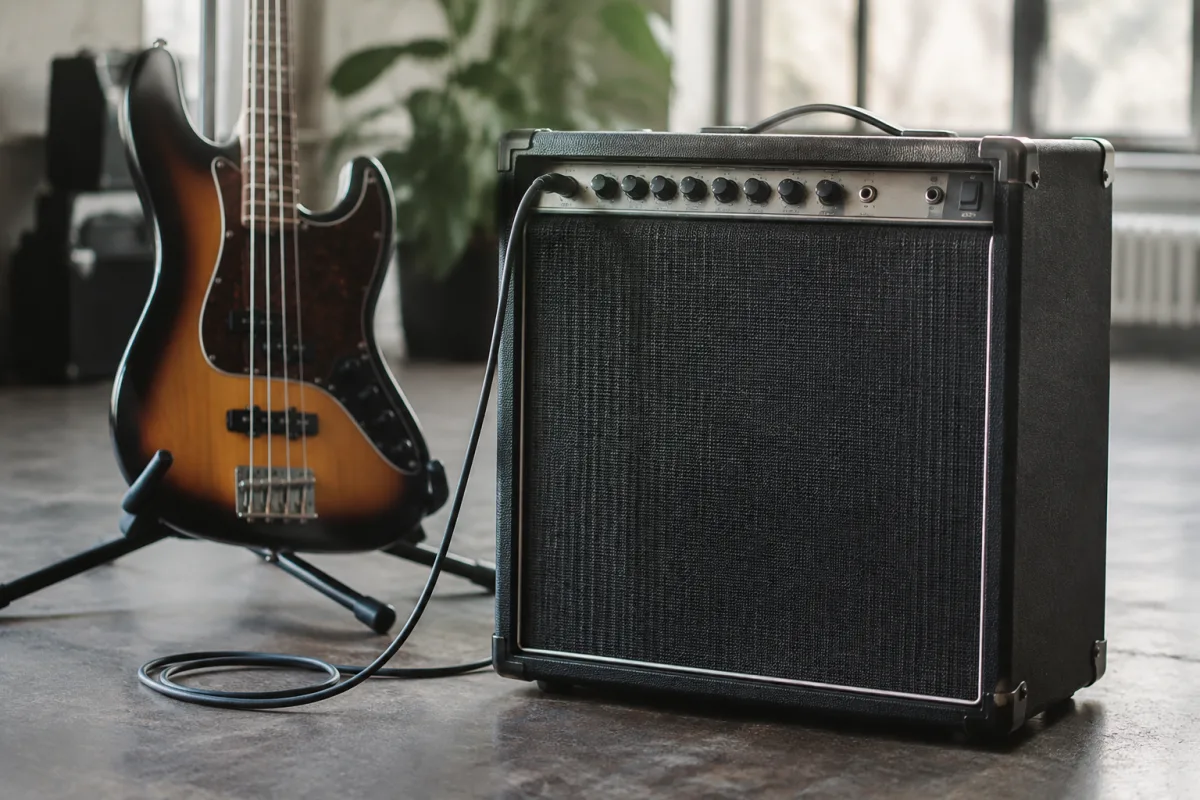
A bass guitar amplifier head is the heart of your rig, delivering the tone and power that define your sound on stage and in the studio. Whether you're locked into the pocket of a funk groove, laying down the foundation of a metal riff, or exploring textural soundscapes in experimental music, your choice of amplifier head will shape everything about how your bass is heard. Understanding the differences between tube, solid-state, and hybrid heads, and knowing which suits your style and budget, is essential for any serious bass player.
How a Bass Guitar Amplifier Head Works
An amplifier head (or amp head) is a compact unit containing the preamp, power amp, and output circuitry that takes the weak signal from your bass and boosts it to a level powerful enough to drive a speaker cabinet. The preamp shapes your tone—adding gain, EQ, and any onboard effects—whilst the power amp provides the wattage that gives your bass its presence and authority.
Bass specifically demands a different approach than guitar amps. The lower frequencies need more power and careful speaker design to reproduce accurately. A quality bass amplifier head handles these frequencies without losing clarity or turning to mud, allowing your playing to cut through a mix without overwhelming the band.
Types of Bass Amplifier Heads
The choice between amplification technologies is one of the most consequential decisions for your tone:
- Tube amplifier heads: Use vacuum tubes in the preamp and power sections. Warm, responsive, and naturally compress under load. Require more maintenance, run hotter, and are heavier, but many players swear by their tone.
- Solid-state amplifier heads: Use transistors for clean, powerful, consistent output. Reliable, lightweight, and affordable. Some players feel they lack the warmth and character of tube designs.
- Hybrid amplifier heads: Combine a tube preamp with a solid-state power amp. A popular middle ground offering tube warmth with solid-state reliability and weight savings.
- Digital amplifier heads: Model various amp tones and effects via DSP. Incredibly versatile and lightweight, though some purists argue they lack the organic feel of true analogue amplification.
Key Specifications to Understand
When comparing amplifier heads, these specifications matter:
| Spec | What It Means | Practical Impact |
|---|---|---|
| Wattage | Power output (e.g. 100W, 300W, 500W) | More wattage = louder sound without distortion. 100W is adequate for clubs; 300W+ for larger venues. Don't assume higher wattage always sounds better—tone matters more than raw power. |
| Impedance matching | Electrical compatibility between head and cabinet (usually 4Ω, 8Ω, or 16Ω) | Match the head's output impedance to the cabinet's input impedance for safe, efficient operation. Mismatched impedance can damage the amp or deliver less power. |
| EQ controls | Three-band or parametric tone-shaping | More control over your tone. Basic three-band EQ (bass, mid, treble) is adequate; parametric EQ gives surgical control over specific frequencies. |
| Input options | XLR, 1/4", or both for connecting your bass | Most players use 1/4" cables. XLR is more professional for touring. Check your head's connectivity before purchasing. |
Popular Bass Amplifier Heads Worth Considering
Several models have earned lasting respect from touring and studio players:
- Ampeg SVT series: The gold standard for tube bass tone. Legendary warmth and punch. Heavy, expensive, and hungry for maintenance, but iconic and sonically unmatched by many players' ears.
- Markbass Little Mark: A lightweight, high-wattage solid-state design. Popular for its clarity and portability. Favoured by touring players who don't want a hernia from hauling gear.
- Gallien-Krueger heads: Solid-state designs known for punchy, articulate tone. Industry standard for touring metal and hard rock players.
- Orange Amplifiers bass heads: Handcrafted tube designs with stunning aesthetics and beautiful tone. Premium pricing but exceptional quality.
- Tech 21 SansAmp Bass Driver: A preamp/effects unit rather than a full head, but capable of huge tones and beloved by recording engineers for its compact footprint and character.
Building Your Bass Rig
Your amplifier head connects to a speaker cabinet (or cabinets, for larger rigs). A 1×15 cabinet provides deep lows and warmth; a 2×10 or 4×10 offers more aggression and midrange clarity. Many players stack a small combo amp with a separate cabinet to taste.
Start with one quality head and one good cabinet. As your playing develops and your venues grow, you can expand—adding another cabinet for more volume, or upgrading to a higher-wattage head. This gradual approach lets you understand your tone deeply rather than being overwhelmed by options.
Tone, Weight, and Practicality
The best amplifier head for you depends on your priorities. If tone is paramount and you're willing to manage weight and maintenance, a tube design might call to you. If you're a gigging player who values reliability, portability, and consistency, solid-state or hybrid options shine. Digital heads offer unmatched versatility at the expense of some organic character.
Consider your typical venues. A bedroom player needs only 20–50W; a rehearsal room or small club works fine with 100W; a touring band will want 300W or more to ensure headroom. Hauling a 60-pound tube head into a minivan every weekend is romantic until your back protests—practicality matters.
Conclusion
Choosing a bass amplifier head is one of the most personal decisions a bass player makes. Your head will shape your tone for years, so take time to play through options before committing. Listen to touring players you admire and ask what they use. Borrow a friend's rig to try before you buy. Most importantly, choose a head whose tone makes you want to play—whether that's the warm, responsive character of tubes, the punchy clarity of solid-state, or the endless versatility of digital modelling. Your bass tone is your voice; invest in an amplifier head that lets you speak it clearly.



Comments