
Bass Guitar Amp Fender article
The Complete Guide to Bass Guitar Amp Fender
Fender bass amplifiers have defined professional bass tone for decades. Learn what makes them special and how to choose the perfect one for your rig.
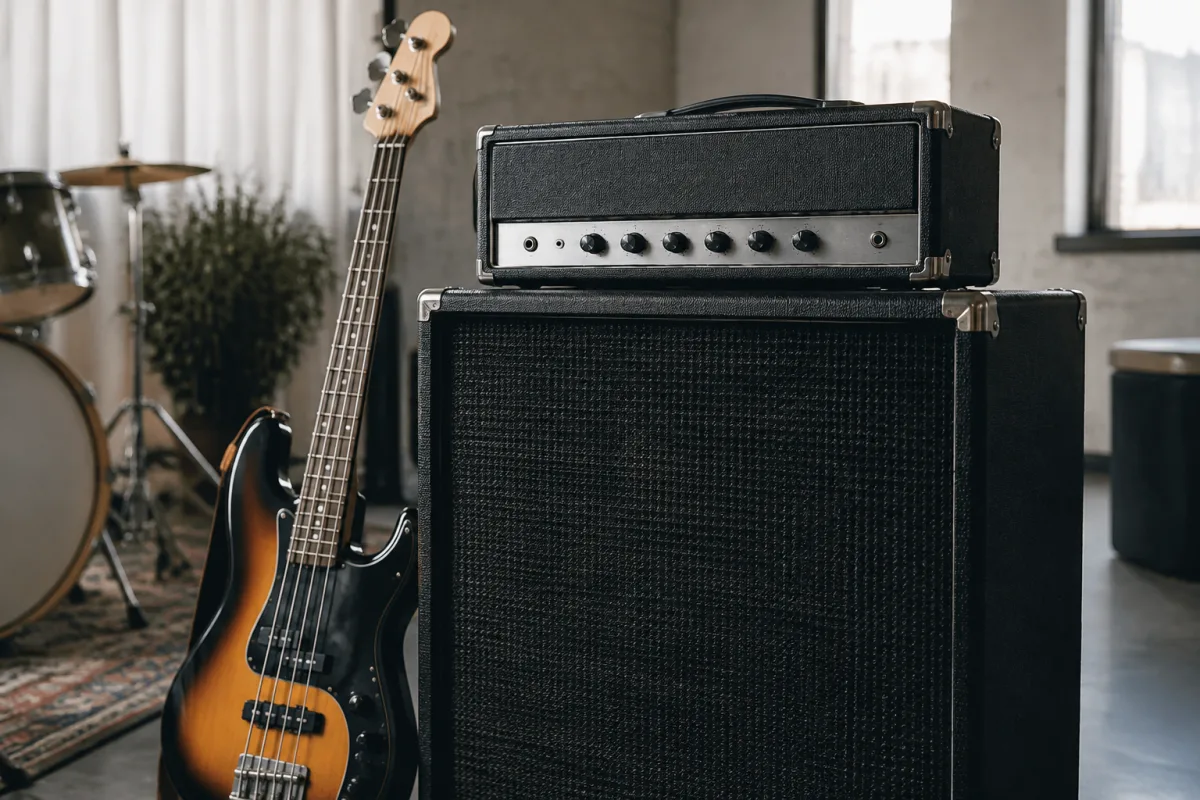
Fender amplifiers for bass have defined the sound of popular music for decades, trusted by everyone from Paul McCartney to Victor Wooten. A Fender bass amplifier combines the brand's heritage of tube warmth and American craftsmanship with modern engineering to deliver authoritative low-end punch and crystal-clear articulation. Whether you're rehearsing in a garage, recording in a studio, or touring venues worldwide, a Fender bass amplifier provides the tone, reliability, and headroom that makes your bass guitar sing.
The Fender Bass Amplifier Legacy
Fender entered the amplification market in the 1950s, and their bass amplifiers quickly became industry standard. The brand's philosophy—clear, powerful tone without unnecessary complexity—guided every design. Unlike boutique amp manufacturers chasing after vintage mystique, Fender focuses on delivering straightforward reliability and honest sound that reveals your playing, not the amplifier's colouration.
That reputation endures. Walk into a recording studio or music venue anywhere in the world, and you'll find Fender amplifiers for bass. The combination of professional build quality, serviceable components, and sound that's simultaneously warm and articulate makes choosing a Fender amplifier a safe investment for any serious player.
Key Fender Bass Amplifier Models
Fender's current and recent-model lineup offers options for every budget and application:
- Fender Rumble series: Modern solid-state designs with exceptional value. The Rumble 40, 100, and 500 offer clean, punchy tone and surprising power for their size. Beloved by touring and session players for portability and reliability.
- Fender Bassman head and combo amplifiers: The legendary tube-based Bassman remains in production in various forms. Warm, responsive tone that's perfect for recording or small-venue playing.
- Fender Tone Master: Modern solid-state option offering vintage Bassman voicing without the weight and heat of tubes. A sensible compromise between tone and practicality.
- Fender Showman: Classic high-wattage amp designed for bass and guitar. Less common now but prized by vintage gear enthusiasts.
- Fender BXR series: Discontinued but still sought after, offering powerful solid-state amplification and versatile tone-shaping.
Understanding Fender Bass Amplifier Specifications
Key specs to understand when choosing a model:
| Specification | What It Means | Practical Significance |
|---|---|---|
| Wattage | Power output (typically 100W–500W for Fender models) | 50–100W suits rehearsals and small venues. 250W+ gives headroom for larger stages. More power means clean tone at higher volumes. |
| EQ controls | Three-band (bass/mid/treble) or parametric tone shaping | Three-band is intuitive; parametric offers surgical control over specific frequencies. Both suit professional mixing. |
| Tube vs. solid-state | Amplifier technology (valve-based or transistor-based) | Tube amps offer warmth and compression; solid-state offers reliability and portability. Fender makes excellent examples of both. |
| Cabinet configuration | Speaker sizes (1×15, 2×10, 4×10) and cabinet design | 1×15 excels in deep lows; 2×10 and 4×10 offer presence and clarity. Combo amplifiers include speakers; heads require separate cabinets. |
Fender Rumble: The Modern Standard
The Rumble series represents Fender's contemporary bass amplification philosophy. Available in power ratings from 40W to 500W, Rumble models offer incredible value and surprisingly professional tone. The Class D power amps run cool and efficient; the preamp delivers satisfying gain and warmth. Many touring players who previously relied on vintage gear now gig with a Fender Rumble, discovering the solid-state design offers all the tone and reliability they need without the bulk and maintenance of tubes.
The Rumble's built-in speaker (in combo models) or the pairing with a dedicated Fender Rumble cabinet creates a cohesive system. The enclosure design enhances low-end response, giving these amplifiers punch disproportionate to their wattage rating.
The Bassman: Tube Tradition
For players who prize tube warmth and vintage character, the Bassman remains unmatched. The all-tube preamp and power amp deliver that classic Fender warmth—slightly compressed, woody, and deeply musical. Modern Bassman models are more reliable than vintage examples, with better transformers and components. The trade-off is weight, heat generation, and maintenance requirements. But if your musical context demands the authentic warmth of tubes, a Bassman is worth the effort.
Building Your Bass Rig
A complete system pairs a Fender head with a speaker cabinet (or cabinets). Popular configurations include a single 1×15 for deep lows, a pair of 2×10 cabinets for punchy presence, or a combination like 1×15 plus 1×10 for both depth and articulation. Fender offers excellent cabinet options at various sizes and impedances.
For recording, many engineers run a Fender amplifier into a microphone (capturing the cabinet's character) or directly via a D.I. box (for isolation). Fender's consistent, reliable tone makes it easy to get professional recordings without extensive tweaking.
Why Choose a Fender Bass Amplifier?
The reasons are consistent: brand heritage, proven reliability, honest tone that doesn't impose a heavy sonic signature on your playing, easy-to-navigate controls, and excellent value for money. Service is available worldwide; parts are standardised and replaceable; the resale market is strong. A Fender amplifier purchased today will likely still be working—and sounding great—in 20 years.
Whether you're a young player just starting out or a seasoned touring musician, a Fender amplifier removes the anxiety from amplification. It simply works, sounds good, and lets you focus on your playing rather than fussing with your gear.
Conclusion
A Fender bass amplifier represents an investment in reliability, tone, and professional capability that endures. Whether you choose a modern Rumble for portability, a vintage-voiced Tone Master for nostalgic warmth, or a tube Bassman for authentic character, you're joining a lineage of professional and amateur musicians who've trusted Fender's amplification for decades. Take time to audition different models and wattages, trust your ears, and choose the one that makes you want to play. You'll have an amplifier that serves you faithfully through countless rehearsals, recordings, and performances.



Comments