


Bass Amp Blackstar article
Bass Amp Blackstar for Beginners: A Complete Guide
Starting with a bass amp blackstar doesn't have to feel overwhelming. This guide covers setup, tone dialling, and common mistakes to avoid.
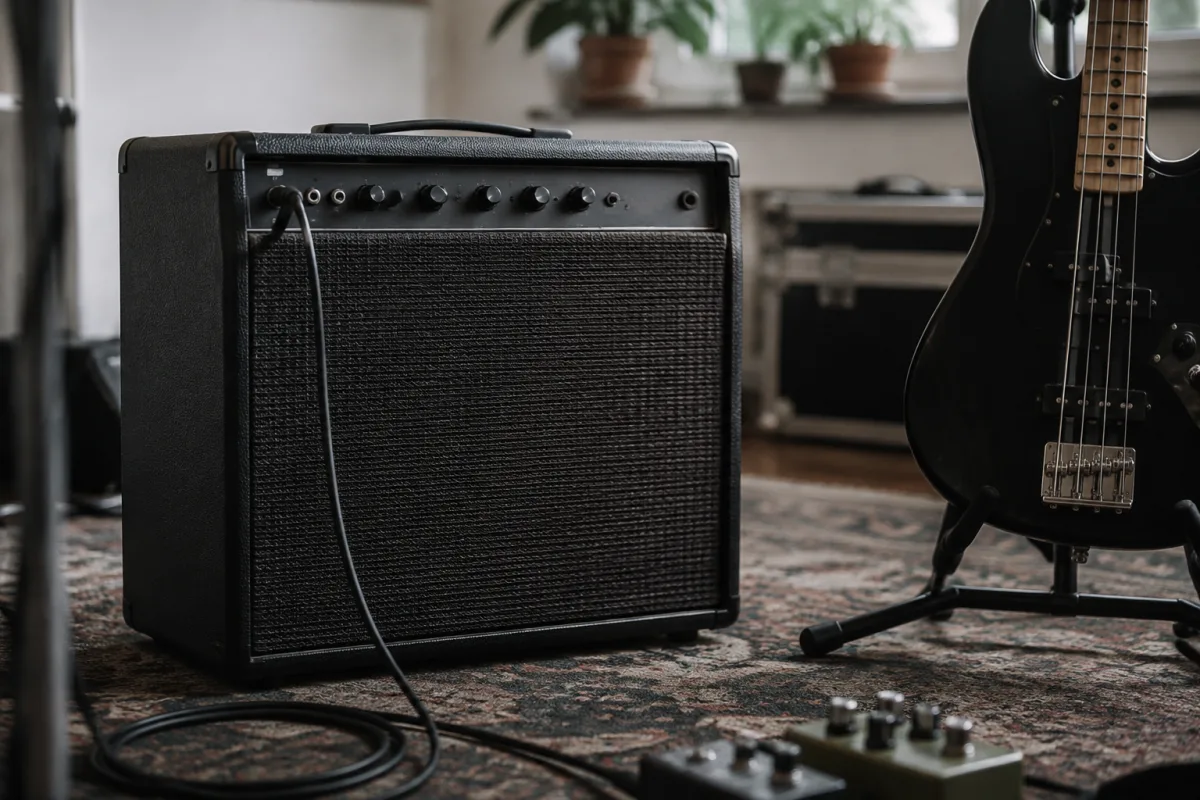
Getting your first bass amp blackstar can feel overwhelming if you're uncertain about the practical steps and expectations. Whether you've just picked up your first bass or you're upgrading from a compact practice amp, setting up and optimising a bass amp blackstar deserves careful attention. This guide addresses the anxieties that new bass amp blackstar owners face: how to connect it, how to dial in a decent tone, what sounds good and what doesn't, and how to avoid frustrating mistakes in those critical first weeks. You'll discover that a bass amp blackstar is genuinely intuitive once you understand a few fundamental principles.
Why Blackstar Bass Amps Work Well for Beginners
Blackstar's reputation in guitar amplification extends naturally to their bass amp blackstar range. These amplifiers prioritise straightforward usability without overwhelming you with unnecessary complexity. A bass amp blackstar is designed for clarity and responsiveness, which helps new players develop solid technique faster. You hear your playing accurately, which means you notice when your timing is off or your technique needs work. This isn't a limitation—it's a feature that actually accelerates your development as a bassist.
Moreover, Blackstar's tonal characteristics emphasise articulation and note definition. Unlike muddier alternatives, a quality bass amp blackstar reveals your playing nuances clearly. This means every practice session becomes immediately more rewarding because you hear musical progress genuinely happening.
Essential Setup Steps for Your Bass Amp Blackstar
Getting your bass amp blackstar connected and sounding good involves straightforward steps:
Physical Setup
Position your bass amp blackstar on a stable surface at ear level when seated. This positioning helps you hear the tone accurately whilst playing. Bass frequencies travel differently than midrange, so positioning matters more for bass amps than for guitar equivalents. Ensure adequate ventilation around your bass amp blackstar—avoid enclosing it in confined spaces, which causes heat buildup and degrades performance.
Cable Connection
Connect your bass directly to the input of your bass amp blackstar using a standard instrument cable. This connection is straightforward and identical whether you're using your bass amp blackstar for practice or performance. Ensure the cable is firmly seated in both the bass and the amp input jack to prevent intermittent signal loss.
Power and Initial Activation
Plug your bass amp blackstar into mains power and allow a few seconds for warmup before switching the power on. This brief delay reduces electrical stress on the amplifier. Turn on your bass amp blackstar gently—modern amplifiers don't require cautious approach, but respecting the equipment develops good habits for future investments.
Dialling In Your First Tone
New bass amp blackstar users often overthink tone controls. Here's a practical approach:
Starting Position
Set all tone controls (bass, midrange, treble) to 12 o'clock position—the middle. Start with master volume around 25–30%. This provides a neutral starting point from which you can make adjustments. Play a familiar bassline and listen carefully to how your instrument sounds through the bass amp blackstar at this neutral setting.
Bass Control
The bass control on your bass amp blackstar affects low-frequency response. Too much bass sounds boomy and loses note definition. Too little sounds thin and weak. Experiment by adjusting bass control ±2 positions from centre. You'll quickly discover what feels natural for your playing style.
Midrange Control
Midrange affects the presence and punch of your tone. More midrange sounds aggressive and cutting through a mix. Less midrange sounds smooth and warm. On your bass amp blackstar, subtle midrange adjustments create noticeable tonal changes. Start with centre and adjust gradually as you play longer passages.
Treble Control
Treble adds brightness and articulation to your bass amp blackstar tone. More treble makes every note pop and become distinct. Too much treble sounds harsh and fatiguing. Less treble sounds dark and muddy. Adjust treble on your bass amp blackstar by ear, trusting your instincts about whether you want more clarity or warmth.
Common First Mistakes with Bass Amp Blackstar
Learning from others' early errors accelerates your development. Here are mistakes new bass amp blackstar users commonly make:
Mistake 1: Cranking Volume Too High Too Quickly
A bass amp blackstar at full volume is genuinely loud. Beginners often turn volume up expecting dramatic tone changes, not realising that volume doesn't equal tone quality. Start at modest levels—around 40% volume feels plenty loud for practice. Full volume should remain for performances or rehearsals, not daily practice. You'll actually hear more detail at moderate volumes than at maximum levels.
Mistake 2: Ignoring Master Volume Versus Gain
Some bass amp blackstar models include both master volume and gain controls. Beginners confuse these. Gain controls amplifier input level and affects how hard the amplifier works. Master volume controls output loudness. Increasing gain affects tone character slightly. Increasing master volume simply makes everything louder. Understand your bass amp blackstar's specific controls—they matter differently.
Mistake 3: Not Giving Your Ears Time to Adjust
When you first plug into a bass amp blackstar, your ears need 5–10 minutes to adapt to the new tone. Resist the urge to make adjustments immediately. Play a familiar song, listen carefully, then make considered decisions about tone adjustments. Hasty tweaking whilst your ears are still adjusting leads to permanent settings you'll regret within days.
Mistake 4: Neglecting Cable Quality
Your bass connects to the bass amp blackstar through an instrument cable. A poor-quality cable introduces noise, signal loss, or intermittent connection issues. This isn't your bass amp blackstar failing—it's inadequate infrastructure. Invest in a decent cable and you'll immediately notice improved signal clarity and consistency.
Mistake 5: Over-Compressing Your Dynamics
Many beginner-level bass amp blackstar models include compressor functionality. While useful, excessive compression flattens your playing dynamics and removes musical nuance. Start without compression enabled and add it only if you specifically need it for your style. Compression is a tool, not a default setting.
Building Your Bass Amp Blackstar Technique
Beyond tone dialling, developing good technique with your bass amp blackstar matters:
Practise at Moderate Volumes: Most of your practice should occur at volumes that don't disturb neighbours and let you hear clearly. Save volume practice for occasions when full amplification is necessary.
Listen More Than You Adjust: Resist constant tone tweaking. Set your bass amp blackstar to a reasonable starting configuration and live with it for at least a week. Your ears adjust far faster than tone settings need changing. Consistency matters for development.
Use Your Bass Amp Blackstar Tone as Feedback: A quality bass amp blackstar reveals your playing mistakes clearly. Uneven timing, weak technique, and sloppy muting show up immediately. This feedback is genuinely valuable for developing solid fundamentals.
Moving Forward with Your Bass Amp Blackstar
Once you've spent several weeks with your bass amp blackstar, you'll naturally understand its character and capabilities. At that point, you might consider accessories like extension cabinets (for fuller tone), wireless systems (for freedom), or additional effects. None of these additions are essential initially—your bass amp blackstar alone provides everything needed for excellent practice and performance.
For comprehensive technical information and detailed specifications on bass amp blackstar models, explore the complete guide to bass amp blackstar.
Conclusion
Setting up and optimising your bass amp blackstar is genuinely straightforward once you understand basic principles. Position it for ear-level monitoring, connect your bass with a quality cable, and start with neutral tone control settings. Resist the urge to make constant adjustments or run volume excessively high. Give your ears time to adapt and trust the feedback your bass amp blackstar provides about your playing. Within a few weeks, you'll feel completely comfortable dialling in your tone and making conscious adjustments rather than guessing. Your bass amp blackstar is genuinely intuitive when approached patiently and thoughtfully. Enjoy the process of discovering its character.



Comments