


Amp Voice article
Amp Voice for Beginners: A Complete Guide
Amp voice is simply your amplifier's personality and sound character. This beginner's guide breaks down what it means, why it matters, and how to explore yours without overthinking it.
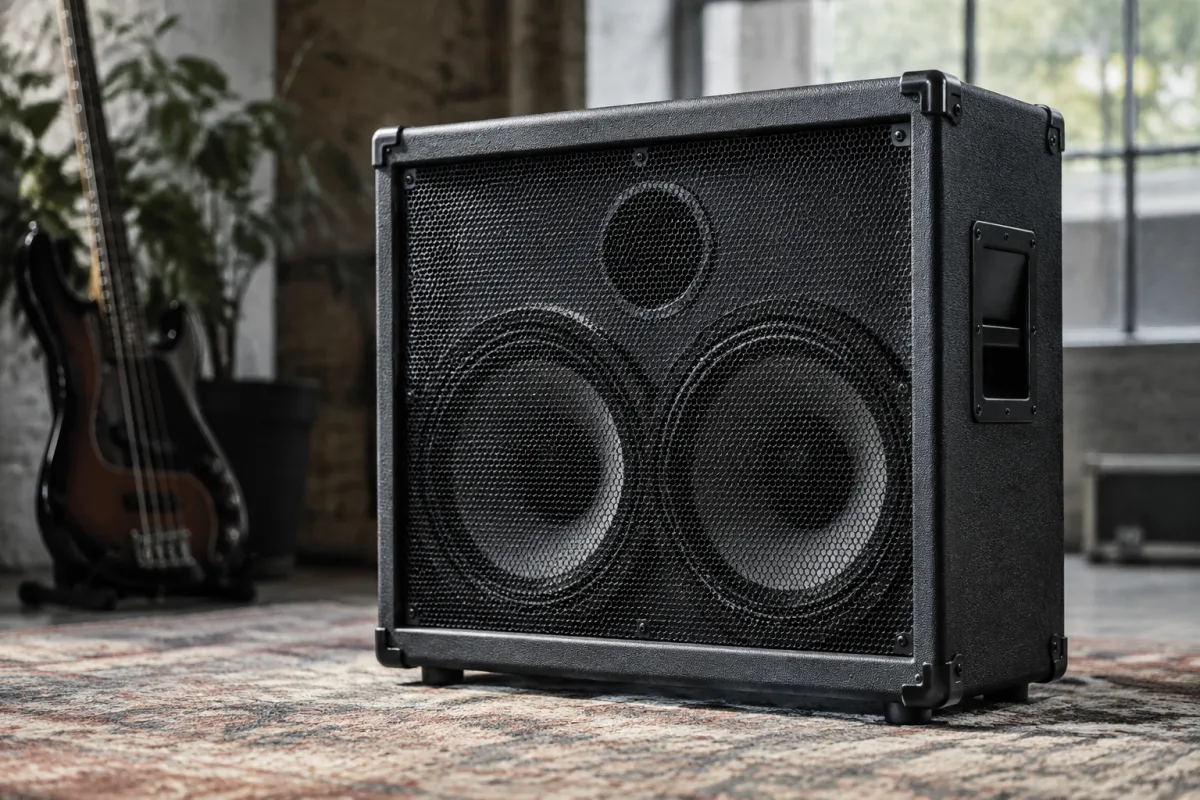
If you're picking up bass guitar, you'll soon hear experienced players talking about "amp voice" and might feel a bit lost. The good news? Amp voice is far less mysterious than it sounds, and understanding it will immediately make you a better player. This guide breaks it down into simple, practical steps that any nervous first-timer can grasp and start using right away.
What Amp Voice Actually Means (Without the Jargon)
Amp voice is simply the personality and character of your amplifier's sound. Think of it like the difference between a smooth, warm speaking voice and a sharp, bright one—your amp has a voice too. Different amps produce different tones: some are punchy and modern, others warm and vintage, and some are perfectly in the middle.
Here's the reassuring part: you don't need to be a technician to understand this. All you need to know is that your amp has built-in characteristics that shape how your bass sounds. When you plug in and play, the amp voice is already doing its job. Learning to recognize it and adjust it is genuinely straightforward.
The Three Common Amp Voice Types for Beginners
Most bass amps you'll encounter as a beginner fall into one of three categories. Knowing these will help you navigate your options without feeling overwhelmed:
- Warm and vintage — These amps have a soft, rounded character that suits many musical styles. They're forgiving on technique and great for developing your tone slowly. Classic tube amps often have this voice.
- Tight and modern — These amps deliver a punchy, well-defined tone that cuts through a mix. Solid-state and hybrid amps often lean this way. They're brilliant if you play rock, funk or anything requiring clarity.
- Natural and transparent — These amps get out of your way and let your bass sound like itself. You'll shape the tone mostly with your instrument and technique, not the amp. Great for jazz and session playing.
Here's the key for beginners: you don't need to memorize these categories. Just notice that different amps sound different, and understanding that difference helps you pick the right one for your style.
Why Amp Voice Matters When You're Starting Out
Many beginners worry they're not good enough to hear or control amp voice. That's not true. Here's why it matters for you right now:
It shapes your practice experience. If your amp voice fights against your playing style, you'll feel discouraged. A warm amp voice can make shaky technique sound more forgiving. A tight amp voice demands more precision but teaches you better habits faster.
It affects your motivation. When your bass sounds good, you'll want to practise more. The right amp voice for your goals keeps you excited rather than frustrated.
It influences your technique development. A modern, punchy amp voice teaches you to be precise because every mistake is audible. A warm, vintage amp voice is more forgiving and lets you build confidence before worrying about tightness.
Choosing an amp voice that suits your goals makes the journey faster and more enjoyable. That's not gear snobbery—that's practical sense.
Your First Steps: Finding Your Amp Voice
If you already have an amp, here's how to start exploring its voice. If you're shopping, this will help you listen actively:
- Play a simple, familiar riff or scale — something you know well so you can focus on the sound, not the notes.
- Keep the amp at moderate volume and listen. Notice: Does the tone feel bright or warm? Does it feel tight or soft? Does it feel natural, or coloured by the amp?
- Turn the bass knob (low frequencies) up and down slowly. Notice how the warmth changes. Bass adds body; pulling it back makes the tone tighter.
- Adjust the treble (high frequencies) gently. Adding treble makes the tone sharper and more defined; reducing it darkens and mellows it.
- Try the middle knob if your amp has one. This often adds presence and punch or can scoop out the mid-range for a scooped tone.
- Listen at different volume levels. Many amps sound different quiet versus loud. A warm vintage amp might break up gently at higher volumes; a modern amp might stay tight.
You're not trying to become a tone scientist. You're simply training your ears to notice. After a few minutes, you'll start to hear "Ah, that's the amp's character showing through."
Beginner Mistakes About Amp Voice (And How to Avoid Them)
Most new players stumble in the same ways. Knowing these pitfalls will save you frustration:
Turning all the knobs up. New bassists often crank everything to sound louder or "better." In fact, a well-balanced amp voice uses moderate settings. If your tone sounds thin or boomy, tweak one knob at a time and listen.
Blaming your technique, not your amp. If you sound muddy no matter what you do, it might be the amp voice, not your hands. A warm, bass-heavy amp can hide poor technique—but it also hides your playing. A tighter amp voice forces better habits but feels unforgiving at first.
Assuming more expensive = better for you. A £2,000 boutique amp might have an amazing voice—for someone who needs that specific character. For a beginner, a £300 solid-state or hybrid amp with a modern voice might suit your needs better. Match the voice to your style, not the price tag.
Ignoring your amp's physical design. A small 1x8" combo amp is rarely going to sound warm and deep. A large 1x15" or 2x10" cab naturally enhances the bass frequencies. The amp voice changes with the speaker and cabinet, not just the electronics.
Matching Amp Voice to Your Musical Style
Here's a practical guide to get you started thinking about amp voice and style:
| Your Musical Style | Best Amp Voice for You | Why |
|---|---|---|
| Rock and punk | Modern, punchy, tight | You need to cut through and be heard clearly. Distortion sits well in a tight tone. |
| Jazz or fusion | Warm and natural, transparent | Tone definition and subtlety matter. Your bass should sound like itself, not coloured by the amp. |
| Funk or soul | Balanced (warm and tight) | You need definition for articulation and body for feel. A hybrid approach works well. |
| Blues | Warm and slightly vintage | Warmth suits the genre. A bit of natural break-up at higher volumes is a bonus. |
| Metal or progressive rock | Tight, modern, or aggressive | Precision and presence are essential. Distortion and overdrive sit well in a tight tone. |
Don't memorize this table—just use it as a rough guide. Your ears and your style will tell you what works.
How Amp Voice Influences Your Equipment Choices
Understanding amp voice now will help you make smarter gear choices later. When you're ready to upgrade or buy pedals and effects, you'll know what you're working with:
If your amp voice is warm and dark, a slight treble boost or presence pedal will add clarity without harshness. If your amp is already modern and bright, you might add compression or a subtle EQ to warm things up.
When you shop for a new amp, you can listen purposefully. Instead of just thinking "That sounds nice," you'll think "That's a modern, tight voice—perfect for rock" or "That's warm and forgiving—I'll learn faster with that one."
The Good News: You Don't Have to Get It Perfect
Here's the encouragement you need: amp voice isn't a pass-or-fail test. You don't have to match your amp perfectly to your style immediately. Millions of bass players have learned on amps that weren't ideal and still became brilliant.
What matters is that you play. A warm vintage amp, a tight modern amp, or anything in between—they all teach you to bass. The amp voice will shape your journey, but it won't stop you from improving.
As you progress, your ears will develop. In six months, you'll notice nuances you miss now. In a year, you'll have strong preferences. In a few years, you might chase a specific amp voice for a reason that matters to you. That evolution is normal and exciting.
For now: pick an amp with a voice that feels welcoming, practise regularly, and don't overthink it. Amp voice isn't rocket science—it's just the sound your amp makes. Learn it by ear, adjust it by feel, and enjoy the process. You're on the right track.
Getting the Most Out of Your Amp Voice Right Now
Before you move on, here's a quick daily practice: spend five minutes this week just listening to your amp. Play the same riff or scale and notice the tone. Tweak one knob slightly and notice the change. You're training your ears and getting familiar with your amp's voice. This is time well spent, and it's genuinely fun once you start noticing the differences.
Amp voice is one of the foundational tools in your bass-playing toolkit. You've got this. Keep playing, keep listening, and your relationship with your amp's voice will deepen naturally.
Key Takeaways for Beginners
- Amp voice is simply the personality and character of your amp's sound.
- Three main types exist: warm/vintage, tight/modern, and natural/transparent.
- Your amp voice affects your practice experience, motivation and technique development.
- Start by playing simple material and listening to how your amp colours the tone.
- Match amp voice to your musical style for faster progress and better enjoyment.
- Don't overthink it—spend a few minutes each week getting familiar with your amp's character.
- As you progress, your preferences will develop naturally.


Comments