


2 Rock Amp Buying guide
2 Rock Amp: A Complete Buyer's Guide
Selecting a 2 Rock amp represents a significant investment in your tone and performance capability. This buyer's guide helps you navigate the 2 Rock amp range to find the perfect match.
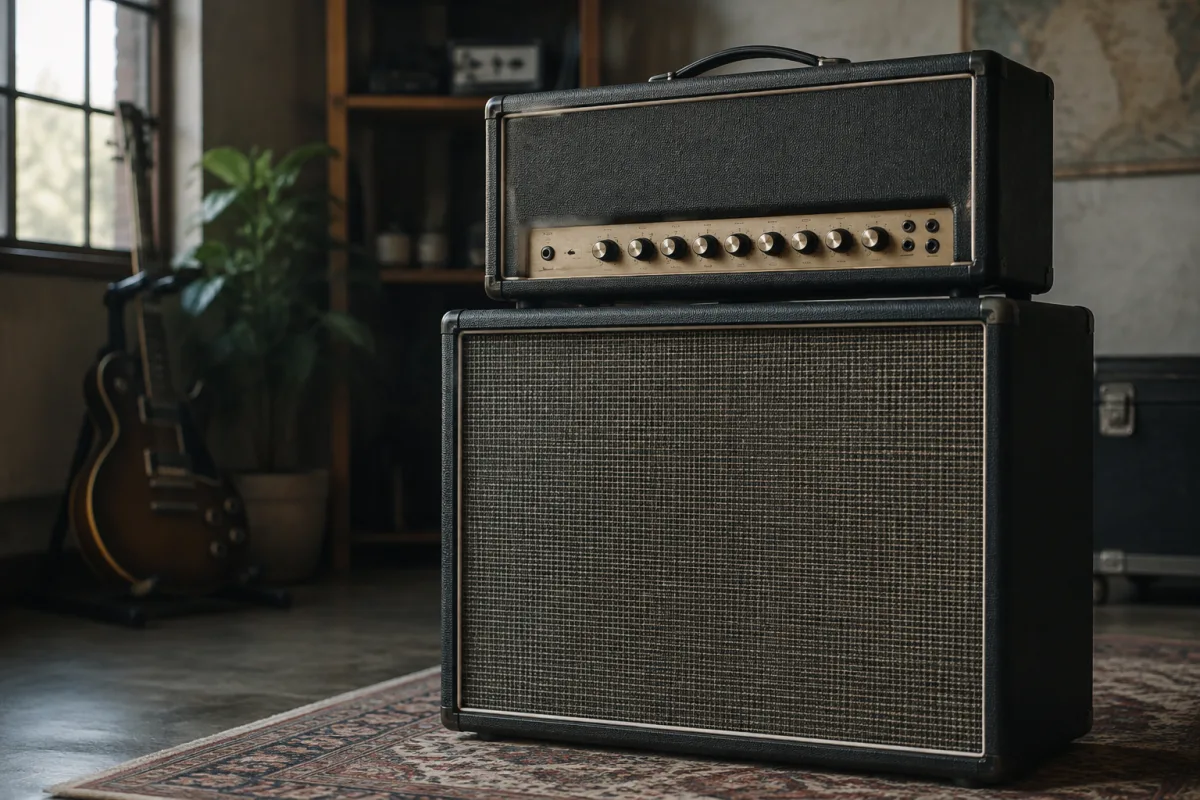
Selecting a 2 Rock amp represents a significant investment in your tone and performance capability. 2 Rock amps are renowned boutique amplifiers crafted with meticulous attention to detail, offering handmade tube circuitry and exceptional sound quality that appeals to discerning guitarists and bassists worldwide. Choosing the right 2 Rock amp model requires understanding the key differences between available designs, wattage options, speaker configurations, and features that align with your playing style, venues, and budget. This buyer's guide helps you navigate the 2 Rock amp range to find the perfect match for your musical ambitions.
Understanding 2 Rock Amp Model Lineup
2 Rock offers several distinct amp models, each engineered for specific tonal characteristics and applications. The 2 Rock Amplifiers icon model is versatile and responsive, offering classic rock tones with excellent dynamics—ideal for players seeking traditional tube amp warmth and sustain. The 2 Rock Imperial is another flagship design, known for its rich harmonic complexity and musical EQ section that shapes tone with remarkable precision. Each 2 Rock amp model emphasises different tonal priorities, from tight, articulate response to smooth, musical saturation. Understanding how 2 Rock amp models differ helps you select the one whose character resonates with your preferred tone. Play multiple 2 Rock amp examples if possible before purchasing, as each model feels and sounds distinctly different through different guitars and playing styles.
Wattage and Power Options in 2 Rock Amps
2 Rock amplifiers are available in various wattage options, each suited to different performance contexts. Lower-wattage 2 Rock amp versions—typically 35–50 watts—deliver substantial tone at manageable volumes, ideal for bedroom playing, small studio sessions, and intimate venues. Mid-range 2 Rock amp power ratings, around 60–100 watts, balance headroom and tone for clubs, mid-sized venues, and recording situations where you want natural breakup without pushing the amp to extremes. High-wattage 2 Rock amp models, 150+ watts, provide massive headroom for large venues and festival stages, allowing the amp to stay clean or naturally compressed at volume. Your intended venue size and whether you prioritise bedroom tone or live stage performance should guide your 2 Rock amp wattage selection. Lower-wattage 2 Rock amps often deliver superior tone at lower volumes, whilst higher-wattage 2 Rock amps offer flexibility and sustainability for professional touring.
Tubes and Circuit Design Philosophy
2 Rock amps are valued for their tube circuitry, hand-selected components, and meticulous build quality. Each 2 Rock amp uses premium output tubes and preamp tubes chosen for their sonic characteristics and longevity. Understanding tube types used in your chosen 2 Rock amp helps you anticipate tone, maintenance needs, and future tube replacement costs. EL84 tubes in a 2 Rock amp produce natural breakup and sustain at lower volumes, whilst EL34 tubes offer more headroom and sag. Different tube configurations within 2 Rock amp models create distinct feels and responsiveness. Read the specifications and documentation for your target 2 Rock amp to understand its circuit design philosophy. Many 2 Rock amp owners develop strong preferences for how different tube types complement their playing, so engage with the player community to hear comparative insights before purchasing.
Input Options and Connectivity Features
Different 2 Rock amp models offer varying connectivity and control options. Most 2 Rock amps feature standard 1/4-inch guitar inputs, though some include additional features like balanced XLR inputs for recording or direct output to mixing consoles. Effects loop availability is important if you use external effects; premium 2 Rock amp models typically include this feature. MIDI control on select 2 Rock amp models allows remote footswitch control of channels, effects, and parameters, valuable for players requiring quick switching during performances. Built-in reverb or other effects distinguish some 2 Rock amp designs, whilst others focus on pure, effects-free amplification. Evaluate which connectivity and control options matter to your workflow before selecting a 2 Rock amp model.
Cabinet and Speaker Configuration Selection
Your choice of 2 Rock amp cabinet and speaker fundamentally shapes tone and portability. 2 Rock amplifiers pair with various cabinet options, from 1x12 single-speaker designs offering focused tone and portability to 2x12 configurations delivering richer tone and higher output capacity. Speaker choice within 2 Rock amp cabinets significantly affects tone colour; different speaker models emphasise different frequency ranges and tonal characteristics. Some 2 Rock amp owners prefer specific speaker selections, so asking about the speaker within a particular 2 Rock amp cabinet is worthwhile. Consider whether you'll use your 2 Rock amp with cabinets in the future or prioritise a complete amp-and-cabinet package. Weight and portability matter for gigging musicians; a lower-wattage 2 Rock amp head with a single speaker cabinet is substantially more portable than higher-powered configurations.
Price Tiers and Investment Considerations
| 2 Rock Amp Category | Typical Price Range (GBP) | Best For |
|---|---|---|
| Entry 2 Rock Amp (Used) | £1500–2500 | Budget-conscious buyers seeking authentic 2 Rock tone through used vintage models |
| Mid-Power 2 Rock Amp (New) | £2500–4000 | Gigging musicians and studio players wanting versatility across various venues |
| Flagship 2 Rock Amp (New) | £4000–6000 | Professional touring musicians and tone-obsessed players prioritising supreme sound quality |
| Custom/Limited 2 Rock Amp | £6000–10000+ | Collectors and pro artists seeking bespoke voicing, limited production runs, or artist-signature models |
Evaluating Build Quality and Durability
2 Rock amps are known for exceptional build quality, but checking specific aspects before purchasing confirms durability. Examine the chassis and transformers for robust construction; 2 Rock amps feature hand-wired circuitry and premium components designed to last decades. Check the condition of switches, pots, and connectors, particularly on used 2 Rock amp purchases; smooth, responsive controls indicate proper maintenance. Listen for any unwanted noise or hum when powering up your prospective 2 Rock amp; consistent performance indicates good condition. Ask the seller or manufacturer about warranty coverage, maintenance history, and any service or repairs performed on the 2 Rock amp. Premium 2 Rock amps hold their value well, so investing in quality often means you can resell later without substantial loss, making your initial 2 Rock amp purchase less financially risky than it might initially appear.
Tone Considerations and Breakup Characteristics
Different 2 Rock amp models break up at different volumes and with different characteristics. Test the target 2 Rock amp through various guitars—both high-output and vintage-style pickups—to hear how responsively it reacts to your playing dynamics. Some 2 Rock amps remain clean and articulate even with driven playing, whilst others compress and sag naturally into sustaining breakup. Push-pull tone controls or other voicing options on select 2 Rock amp models allow you to tailor responsiveness and gain structure to your preferences. Play the 2 Rock amp quietly to assess its tone at bedroom volumes; some amplifiers sound magnificent only at loud volumes, whilst others maintain musicality at whisper-quiet levels. Discuss breakup characteristics with current 2 Rock amp owners and engage with online communities to hear how specific models respond to various playing styles and pickup combinations.
Common Pitfalls When Buying a 2 Rock Amp
Several mistakes compromise 2 Rock amp purchases. Overestimating wattage needs results in amps too loud for your venues, making tone refinement impossible at usable volumes. Underestimating wattage can leave you struggling during demanding gigs or unable to achieve natural breakup. Selecting a 2 Rock amp model based solely on brand reputation rather than hands-on listening means missing a perfect match for another model that suits your tone better. Purchasing without understanding features and control options results in unused capabilities or missing features you needed. Neglecting maintenance and tube care shortens your 2 Rock amp's lifespan and degrades tone over time. Expecting used 2 Rock amps to work perfectly without professional service risks buying an amp with underlying issues. Always have used 2 Rock amps inspected by qualified technicians before committing to purchase.
Where to Purchase and What to Verify
Purchase 2 Rock amps from specialist guitar retailers, boutique amp dealers, or trusted online vendors. Established retailers typically provide warranty coverage, setup assistance, and expert advice. Private sales and secondhand markets offer budget alternatives, but require caution and professional inspection. Always verify authenticity when purchasing used 2 Rock amps; 2 Rock serial numbers and construction details distinguish genuine models from counterfeits or misrepresented amps. Request comprehensive photographs and detailed specifications before purchasing a 2 Rock amp sight unseen. Ask about the amp's history, service record, and reason for sale. Reputable sellers welcome such inquiries and provide thorough documentation. Never rush into a 2 Rock amp purchase; take time to evaluate, compare, and consult the player community.
Maintenance and Long-Term Ownership
Owning a 2 Rock amp involves ongoing maintenance and care. Tube replacement every 3–5 years of regular use keeps your 2 Rock amp sounding fresh and maintaining tone quality. Occasional professional servicing—particularly before or after tour seasons—ensures your 2 Rock amp remains in optimal condition. Keep your 2 Rock amp in a temperature-stable environment to minimise stress on components. Use a properly grounded power cable and surge-protected outlet to protect your 2 Rock amp from electrical hazards. Regular use, gentle handling, and basic maintenance extend your 2 Rock amp's lifespan indefinitely. Most 2 Rock amps from decades past remain fully functional, attesting to their durability and quality. Budget for tube costs and occasional professional service when calculating the true cost of 2 Rock amp ownership.
Conclusion
Selecting a 2 Rock amp combines tonal preference, practical requirements, and personal investment philosophy. Understand the model lineup and choose the one whose character resonates with your musical vision. Select wattage appropriate for your venues and tone ambitions. Evaluate cabinet and speaker options that complement your portability and sonic desires. Play multiple 2 Rock amp examples and consult the vibrant player community for insights. Verify authenticity and build quality, particularly for used purchases. Budget for maintenance and tube replacement as ongoing ownership costs. Purchase from reputable retailers and inspectors to ensure authenticity and condition. For deeper context on 2 Rock amplifiers' place in high-end guitar amplification, explore the complete guide to 2 rock amp to appreciate the engineering and innovation behind these exceptional instruments. With careful consideration and informed decision-making, you'll invest in a 2 Rock amp that delivers inspiring tone and reliable performance for years to come.


Comments