


Baritone Guitars Acoustic Buying guide
Baritone Guitars Acoustic: A Complete Buyer's Guide
Making the right baritone acoustic guitar purchase starts with understanding scale length, tonewoods, and playability essentials. This buying guide covers specs, sound evaluation, and pricing.
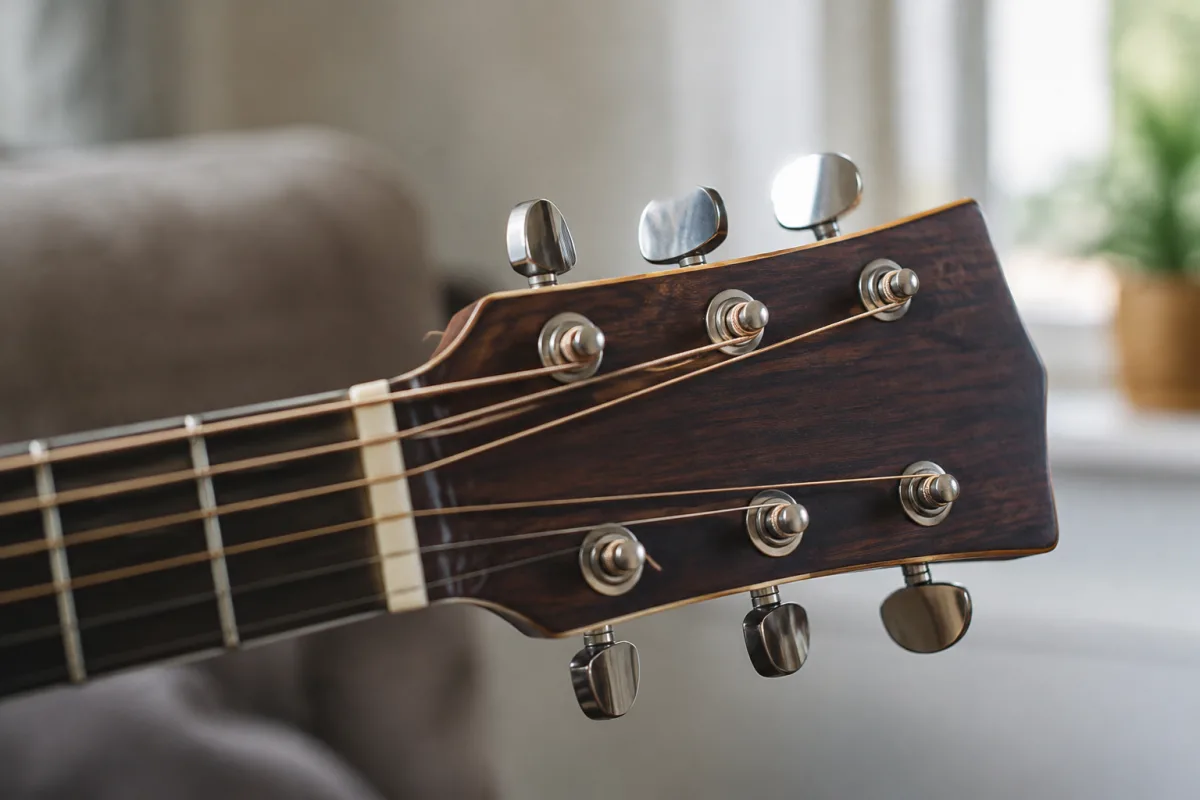
Buying baritone guitars acoustic instruments requires different considerations than standard guitars. Understanding what makes baritone guitars acoustic distinct helps you identify instruments that actually deliver the tone and playability you want. This buying guide cuts through the confusion and focuses on what matters: the specs, the sound, the feel, and the value at different price points.
Scale Length: The Foundation of Baritone Guitars Acoustic
Scale length is the primary distinguishing feature of baritone guitars acoustic models. Standard acoustic guitars have 25.5-inch scales; baritone guitars acoustic typically span 27-30 inches. This extra length creates the deeper, richer tone that defines baritone guitars acoustic instruments.
Before buying baritone guitars acoustic, confirm the exact scale length. Longer scales mean wider string spacing and greater reach required. If you're accustomed to standard guitars, transitioning to baritone guitars acoustic requires adaptation. Play several baritone guitars acoustic models to find a comfortable scale length—there's variation even within the baritone category.
Scale length also affects string tension. Baritone guitars acoustic need heavier strings to maintain appropriate tension across the longer scale. This impacts both tone and playability, so understanding scale length before purchasing baritone guitars acoustic prevents disappointment.
Tonewoods: What to Listen For When Buying Baritone Guitars Acoustic
Tonewoods profoundly shape the sound of baritone guitars acoustic. The top wood (soundboard) most directly influences tone. Spruce produces bright, articulate baritone guitars acoustic with responsive treble. Cedar creates warmer, mellower baritone guitars acoustic with enhanced bass.
Back and side woods matter too. Rosewood offers rich, complex tones in baritone guitars acoustic. Mahogany delivers warm, woody character. Maple produces brighter-toned baritone guitars acoustic. When evaluating baritone guitars acoustic, listen for tonal characteristics that match your musical goals.
Quality tonewoods significantly impact price. Entry-level baritone guitars acoustic often use laminated (plywood) tops, which limit tone depth. Mid-range baritone guitars acoustic feature solid tops paired with laminated backs. Premium baritone guitars acoustic use solid tonewoods throughout, yielding superior resonance and projection.
Key Specs to Check When Buying Baritone Guitars Acoustic
Action height matters critically for baritone guitars acoustic. Lower action requires less finger pressure, reducing hand fatigue. When buying baritone guitars acoustic, check action at the first fret and at the 12th fret. Aim for approximately 2-2.5mm at the first fret. High action on baritone guitars acoustic makes playing uncomfortable and exhausting.
Neck straightness demands attention. Sight down the neck of baritone guitars acoustic you're considering. Any twist or bow indicates potential structural issues. A warped neck on baritone guitars acoustic affects playability dramatically.
Fret condition is crucial when buying baritone guitars acoustic. Run your finger along the frets—they should be smooth and level. Worn or uneven frets on baritone guitars acoustic create buzzing and intonation problems. Quality baritone guitars acoustic have well-crowned, level frets.
Bracing patterns affect how baritone guitars acoustic sound and respond. X-bracing is standard; ladder bracing appears on some designs. When examining baritone guitars acoustic, ask about bracing—it influences tone projection and sustain.
Sound Evaluation: What to Hear in Baritone Guitars Acoustic
Play baritone guitars acoustic through a range of techniques. Strum open chords. Play fingerpicking patterns. Test single-note runs. Quality baritone guitars acoustic respond clearly across the entire neck, with balanced tone from bass to treble.
Listen for projection. Does the baritone guitars acoustic fill a room? Poor-quality baritone guitars acoustic sound dull and weak. Excellent baritone guitars acoustic project naturally without sounding shrill or honky.
Sustain matters. Strike a note on baritone guitars acoustic you're considering. Does it ring clearly for several seconds? Short sustain indicates mediocre woods or construction. Quality baritone guitars acoustic sustain notes beautifully.
Evaluate resonance. Great baritone guitars acoustic resonate with the soundboard vibrating sympathetically. This creates richness and depth. Cheap baritone guitars acoustic feel dead by comparison.
Price Tiers When Buying Baritone Guitars Acoustic
Entry-level baritone guitars acoustic range from £200-400. These models use laminated tops and acceptable hardware. They're playable and suitable for exploring the baritone guitars acoustic sound, but tone and sustain are limited. If you're testing whether baritone guitars acoustic suits your needs, this range works.
Mid-range baritone guitars acoustic (£400-800) feature solid tops paired with laminated backs. These baritone guitars acoustic deliver noticeably superior tone, projection, and playability. This range offers genuine value for serious players.
Premium baritone guitars acoustic (£800+) use quality solid tonewoods throughout, premium hardware, and expert craftsmanship. These baritone guitars acoustic project powerfully, sustain beautifully, and inspire long playing sessions. Invest here if baritone guitars acoustic is your primary instrument.
Handmade baritone guitars acoustic from boutique builders occupy their own category. These instruments offer customisation, superior craftsmanship, and distinctive tone. Handmade baritone guitars acoustic cost significantly more but represent true instruments for dedicated players.
Common Pitfalls When Buying Baritone Guitars Acoustic
Misjudging comfort is common. Scale length feels fine in the shop but uncomfortable during extended practice. Play baritone guitars acoustic for at least 20-30 minutes before buying. Don't just strum a few chords and commit.
Overlooking action problems is another trap. You fall in love with the tone of baritone guitars acoustic you're considering, but the action is uncomfortably high. High action makes baritone guitars acoustic exhausting to play. Have any baritone guitars acoustic professionally set up before finalising your purchase—factor this cost into your budget.
Buying based on reviews alone is risky. Every baritone guitars acoustic resonates differently depending on environment, setup, and individual hands. What sounds great for someone else might disappoint you. Play potential purchases yourself.
Ignoring hardware quality when buying baritone guitars acoustic is a mistake. Cheap tuning machines and a poor-quality bridge on baritone guitars acoustic cause tuning instability. Baritone guitars acoustic needs reliable hardware to hold tuning across a longer scale.
Setup Matters: Budget for Baritone Guitars Acoustic Adjustment
Most baritone guitars acoustic benefit from professional setup. Factory setups sometimes aren't optimised for baritone guitars acoustic characteristics. Setup costs £50-150 but transforms playability. When buying baritone guitars acoustic, factor in setup costs.
String gauge matters specifically for baritone guitars acoustic. Lighter strings (lighter than standard acoustic sets) might not provide adequate tension on baritone guitars acoustic. Ask about appropriate string gauges when buying baritone guitars acoustic.
Making Your Baritone Guitars Acoustic Decision
For comprehensive exploration of baritone guitars acoustic models, applications, and advanced considerations, consult our complete guide to baritone guitars acoustic. That resource covers genre applications, famous baritone guitars acoustic players, and detailed model recommendations across price ranges.
When buying baritone guitars acoustic, prioritise playability and tone over cosmetics. A plain-looking baritone guitars acoustic that plays beautifully and sounds inspiring will serve you far better than a beautiful instrument that's uncomfortable or sounds mediocre. Take your time evaluating options, play extensively before committing, and trust your ears.


Comments