


Fender Baritone Guitar Buying guide
Fender Baritone Guitar: A Complete Buyer's Guide
Buying a Fender baritone guitar requires understanding their specific models and whether they fit your needs. This guide covers specs, quality, pricing, and what to evaluate.
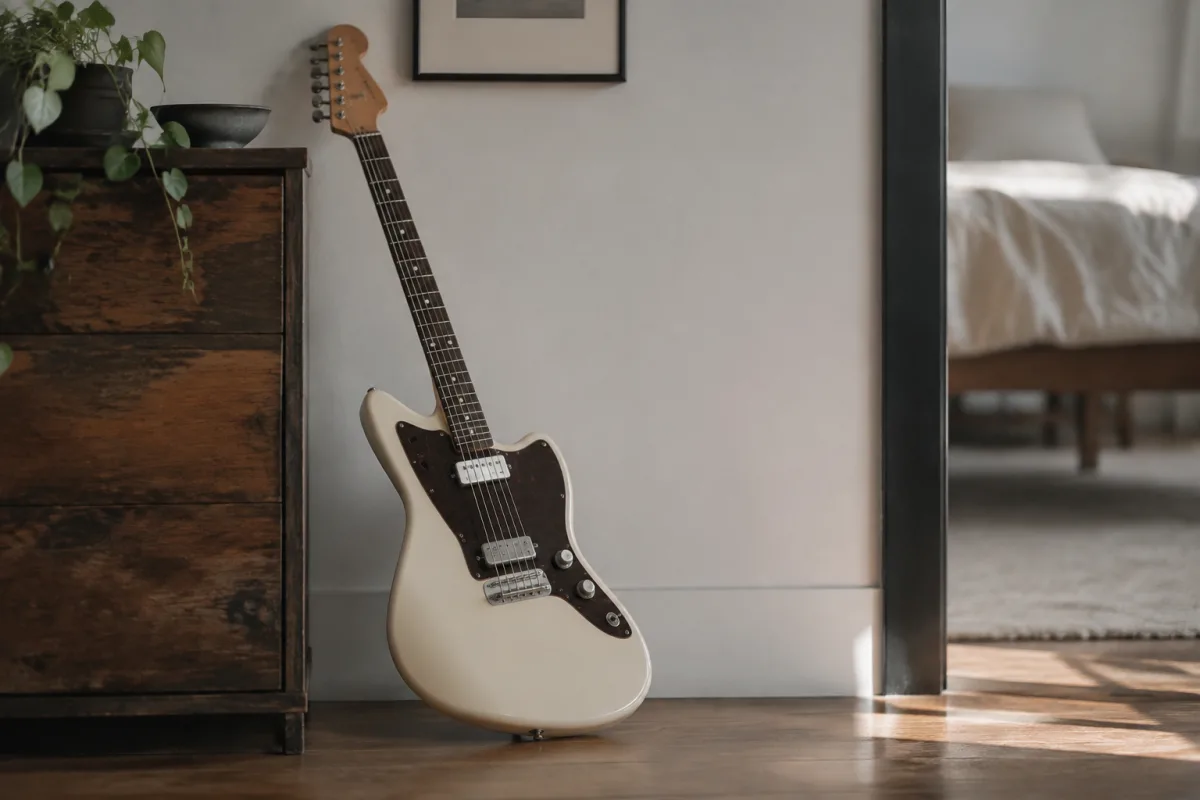
Buying a Fender baritone guitar means understanding what Fender actually produces in this category and whether their offering suits your specific needs. Fender's reputation rests on electric guitars, so baritone models represent a specialised segment. This guide walks you through Fender's baritone lineup, what makes them distinctive, pricing considerations, and what to evaluate before purchasing. You'll avoid expensive mistakes by understanding Fender's strengths in this niche and recognising where alternatives might offer better value.
What Fender Baritone Guitars Offer
Fender baritone guitars combine Fender's electric guitar expertise with extended scale lengths designed for lower tunings. Rather than creating an entirely new design, Fender typically adapts existing guitar architectures—adding length to the neck and scale, adjusting bridge positioning, and utilising heavier strings. This approach maintains Fender's design language whilst meeting baritone specifications. When buying a Fender baritone guitar, you're getting a proper electric guitar designed for lower tuning, not a retrofit.
The Fender Jaguar Baritone is their most prominent model (when available), offering a semi-hollow body with that Jaguar's distinctive visual appeal. Fender has also produced Stratocaster-based baritones and Telecaster variants. Model availability varies by year and region, so research current production before buying a Fender baritone guitar. The secondary market often has discontinued models at various price points.
Build Quality and Construction
Fender baritone guitars inherit Fender's build standards. The body wood (typically ash or alder for electric models) is solid and properly finished. The neck construction uses quality timber, usually maple with a rosewood fingerboard. Hardware is functional and reliable—not flashy boutique components, but predictable and robust. When buying a Fender baritone guitar, you can expect consistent build quality across the price range.
The semi-hollow body designs (like the Jaguar Baritone) add resonance and visual character. These guitars feel and sound genuinely unique compared to solid-body baritones. The trade-off is potential feedback when using high-gain amplification—something to understand before buying.
Fender's manufacturing has shifted between countries over decades. Japanese-made Fender baritone guitars (marked Crafted in Japan) often represent superior value, with careful QC and excellent build standards. American-made models cost significantly more but maintain Fender's domestic production reputation. Mexican-made Fender baritone guitars offer the entry price point with respectable quality. Understand the manufacturing origin before buying—it affects both price and expectations.
Models and Specifications
The Jaguar Baritone is the most readily available Fender baritone guitar on the secondary market. It features that distinctive offset body shape, semi-hollow construction, and two single-coil pickups voiced for clarity. The scale length is typically 28.5 inches (versus 25.5 standard), accommodating the heavier baritone strings. Jaguars retune easily and offer a unique aesthetic appeal when buying a Fender baritone guitar.
Stratocaster baritones (when available) provide more conventional aesthetics with Fender's most recognisable body shape. These are rarer than Jaguars, making them harder to find when buying a Fender baritone guitar. The appeal is that familiar Strat feel with extended scale and lower tuning capability.
Specifications vary between production runs. Early Fender baritone guitars may have different pickup voicing, hardware, or neck profiles than modern versions. If buying a vintage or used model, research the specific year—these variations affect playability and tone significantly.
Pickup Choice and Tone Character
Fender baritone guitars typically use single-coil pickups, which deliver bright, articulate tone. This works beautifully in moderate-gain contexts (blues, classic rock, funk) but can sound thin with high-gain distortion. When buying a Fender baritone guitar, understand that single-coils will respond differently than humbuckers in your rig.
Some custom Fender baritone guitars (particularly recent models) offer humbucker options. These deliver thicker tone suitable for heavier music styles. If heavy tones are your focus, seek out humbucker-equipped models or plan for aftermarket pickup replacement when buying a Fender baritone guitar.
The pickup quality on Fender baritone guitars is respectable but not exceptional. If you're buying a vintage model and tone matters deeply, replacing pickups with quality aftermarket options (Seymour Duncan, DiMarzio) immediately improves results.
Price Tiers for Fender Baritone Guitars
New Fender baritone guitars (when available directly) typically cost £800–1500. These are premium-tier instruments reflecting Fender's established brand and manufacturing standards. Not cheap, but genuine Fender quality you'll keep for decades.
Used Fender baritone guitars (secondary market) often represent exceptional value. A used Jaguar Baritone from 10 years ago might cost £400–700 depending on condition and market. This is genuinely good value considering build quality and inherent collectibility. When buying a used Fender baritone guitar, inspect for fret wear, finish damage, and electronics functionality before committing.
Vintage Fender baritone guitars (1960s–1980s models) command significant premiums, sometimes £1500–3000 depending on rarity and condition. These are primarily collector instruments unless you specifically seek vintage character. Most players find contemporary or recent used Fender baritone guitars offer better value.
What to Evaluate When Buying
Playability matters disproportionately. When buying a Fender baritone guitar, test it through an amplifier (not unamplified). The extended scale and heavier strings feel noticeably different from standard guitars. Does the neck feel comfortable in your hands? Can you fret cleanly at every position? Physical comfort is non-negotiable because you'll invest hours playing.
Tuning stability is critical with baritone guitars. The bridge and tuning machines must hold tension reliably. Play the guitar, let it sit for an hour, then recheck tuning. Drift indicates potential hardware issues. When buying a Fender baritone guitar, this test reveals whether the instrument will frustrate you or serve reliably.
Electronics functionality matters if the guitar has active electronics or complex switching. Test every switch, every knob, every function before buying a Fender baritone guitar. Crackling pots or sloppy switching indicate maintenance needs that factor into fair pricing.
Finish condition affects both aesthetics and value. Cosmetic damage (dents, minor scratches) matters less than structural finish issues. Checking for cracks or lifting finish suggests poor care. When buying a used Fender baritone guitar, minor cosmetics are acceptable; structural issues warrant price reduction or walking away.
Common Buying Mistakes
The first mistake is buying without playing it first. Online purchases sight-unseen risk receiving an instrument that feels wrong in your hands. Shipping damage is also possible. Whenever feasible, test a Fender baritone guitar in person before buying.
The second mistake is overestimating pickup quality. Some buyers buy a Fender baritone guitar expecting professional-grade tone only to discover single-coil pickups need replacement. Plan for potential pickup upgrades in your budget before buying.
The third mistake is ignoring the extended scale reality. A 28.5-inch scale feels noticeably different from standard. Some players adapt quickly; others find it uncomfortable. When buying a Fender baritone guitar, extended scale comfort is essential—don't compromise here.
The fourth mistake is paying premium prices for cosmetic finishes. Sunburst and vintage colours look beautiful, but they're more prone to finish wear and cost more when buying. Solid colours like black or white are equally playable and less affected by cosmetic aging.
New vs Used: Making the Financial Decision
Buying a new Fender baritone guitar (when available) guarantees warranty, pristine condition, and latest specifications. You pay full price, but you receive an instrument exactly as factory-intended. This makes sense if specific models are critical to your aesthetic or requirements.
Buying used Fender baritone guitars offers superior value. You save 30–50% versus new retail whilst receiving an instrument that's proven durable (Fenders age well). Inspect carefully for fret wear and electronics functionality, but overall risk is low with Fender's established reputation.
Integration Into Your Rig
Fender baritone guitars require amplification suited to their frequency range. A small practice amp will sound thin and hollow. When buying a Fender baritone guitar, ensure you have amplification capable of handling lower frequencies—a decent tube or solid-state amp with appropriate wattage (30+ watts minimum).
Strings matter significantly. Use proper baritone gauge strings (typically .056–.010 or similar). Using standard strings creates floppy, unpleasant tone. This is non-negotiable when buying and maintaining a Fender baritone guitar.
Broader Context on Baritone Guitars
For comprehensive information about baritone guitars and alternatives to Fender, our complete guide to Fender baritone guitars explores the full range of available options and competing brands in greater depth.
Making Your Purchase Decision
Buying a Fender baritone guitar makes sense if you value Fender's design language, want an instrument with proven longevity, or specifically seek the Jaguar's aesthetic appeal. The price is substantial but justified by build quality and resale value. Test one thoroughly before committing, and don't compromise on playability for price. When you find the right Fender baritone guitar—one that feels natural in your hands and sounds inspiring through your amplifier—you've found an instrument worth its cost.



Comments