


Baritone Guitar Strings Buying guide
Baritone Guitar Strings: A Complete Buyer's Guide
Finding the right baritone guitar strings means knowing what specifications matter and what pitfalls to avoid. This guide walks you through the buying decisions that affect your playing experience and tone.
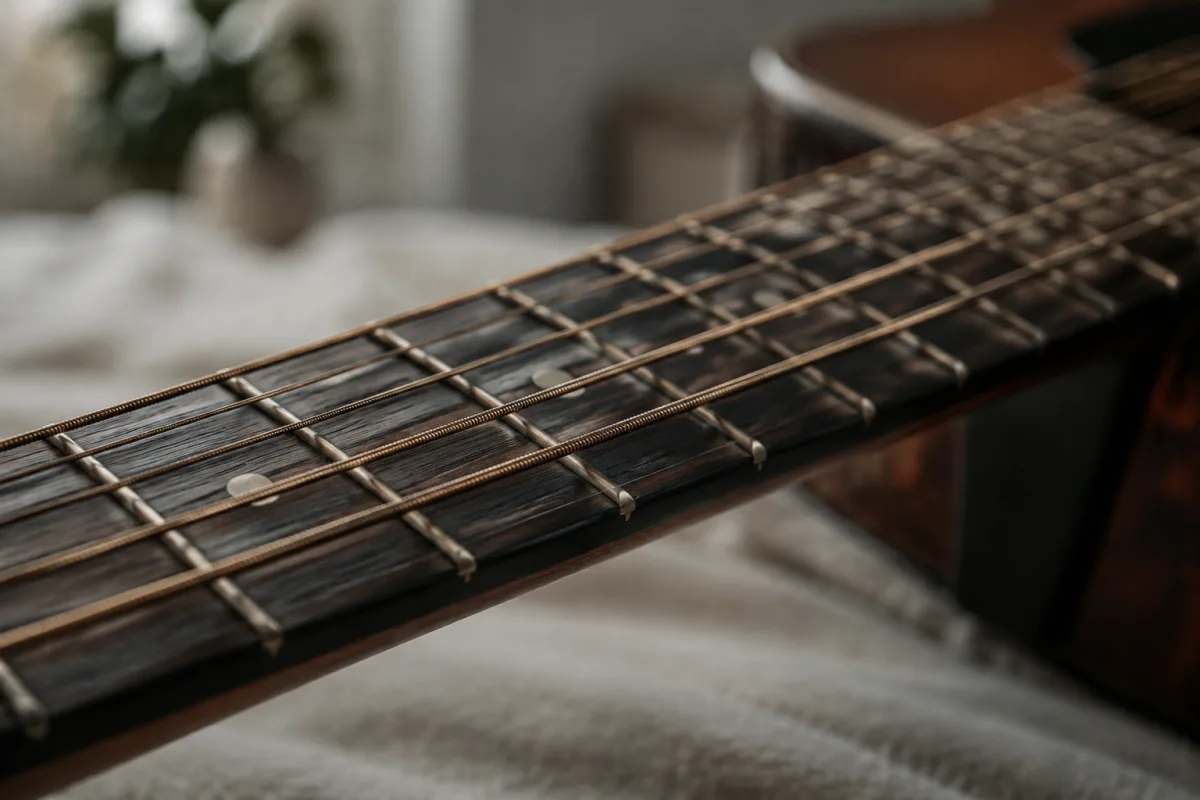
Finding the right baritone guitar strings means knowing what specifications matter and what pitfalls to avoid. Whether you're upgrading from your factory strings or replacing worn-out ones, this guide walks you through the buying decisions that actually affect your playing experience and tone.
Gauge: The Foundation of Your Choice
String gauge is the most critical specification when buying baritone guitar strings. Baritones typically use heavier gauges than standard electric guitars—usually ranging from .013 to .074 or .013 to .080. The first number represents your high E string, the last your low B string. Heavier gauges (like .016 or .017 start) produce thicker tone and greater volume but require stronger finger pressure and higher action to minimise fret buzz. Lighter gauges (starting at .013) offer easier playability but sacrifice some tonal weight and durability.
Your guitar's neck and bridge setup determine what gauges your instrument can handle comfortably. A baritone with a properly intonated nut and reinforced neck supports heavier strings without tuning instability. If you're moving up in gauge, check your current setup first—you may need a technician to adjust your nut slots and bridge.
Material and Winding Type
Baritone guitar strings come in several material combinations, each offering different tonal characteristics and longevity:
- Nickel-plated steel – The most common and affordable option. Bright tone, moderate lifespan (3–4 months with regular use), good for rock and metal.
- Pure nickel – Warmer, mellower tone than nickel-plated. Slightly higher cost, shorter lifespan, favoured by players wanting vintage character.
- Stainless steel – Maximum durability (6+ months), brighter tone than nickel, less finger grease buildup. Premium pricing.
- Phosphor bronze – Commonly used on acoustic baritones; warm, rich tone with excellent sustain.
Winding type matters too. Round-wound strings offer brightness and snap but produce more finger noise. Flat-wound strings deliver a smoother, jazzier tone with minimal pick attack noise. Half-round strings split the difference. Your music genre and playing style should guide this choice.
Tuning Stability and Intonation
Baritone tunings (typically B–E–A–D–F#–B or variations) place significant tension on your neck and bridge. When shopping, check whether your guitar's tuning machines are rated for baritone strings. Vintage or cheaper tuners may not hold stable tuning with heavier gauge strings. Locking tuners (Grover, Gotoh, or equivalent) are a worthwhile upgrade if your baritone doesn't have them.
Purchase strings that match your specific tuning. Some manufacturers offer baritone-specific sets pre-calculated for standard B tuning; others list universal packs. Mismatched string gauges can throw your intonation off across the fretboard, particularly on the extended range baritone offers.
Price Tiers and Value
| Price Range | Typical Brands | Characteristics | Best For |
|---|---|---|---|
| Budget (£3–6) | Generic, no-name packs, some house brands | Variable quality, inconsistent thickness, shorter lifespan | Beginners, experimentation, backups |
| Mid-range (£6–10) | D'Addario, Ernie Ball, Elixir standard sets | Reliable, consistent gauge, decent lifespan, proven tone | Regular gigging, studio work, most players |
| Premium (£10–15) | Elixir coated, GHS Nickel-Wound, Rotosound | Extended lifespan, superior tone consistency, specialist materials | Touring musicians, studio sessions, demanding players |
| Ultra-premium (£15+) | La Bella, D'Addario NYXL, custom wound sets | Handcrafted, exotic materials, maximum durability | Professionals, collectors, specialised tunings |
Don't automatically assume the most expensive set is best for you. Mid-range strings from trusted brands like D'Addario or Ernie Ball offer excellent value and work perfectly for most baritone players. Premium options shine if you're performing regularly or recording—the extended lifespan justifies the cost.
Common Pitfalls to Avoid
Buying the wrong gauge for your guitar forces uncomfortable playability or tuning problems. Always check your guitar's manual or contact the maker if you're unsure what range your neck supports. Mixing string brands from different sets leads to tone inconsistency and durability mismatches. Buy a complete set from one manufacturer to ensure balanced timbre across all six strings.
Storing strings improperly accelerates corrosion. Keep unopened packs in a cool, dry place away from humidity. Opened strings degrade faster—buy fresh packs every few months if you're a regular player. Lastly, avoid confusing baritone gauges with standard electric or acoustic sets. A standard .046 low E won't provide the mass needed for stable low B tuning.
Making Your Final Decision
Start by identifying your baritone's tuning, the gauge range your neck tolerates, and your playing style. If you're upgrading from factory strings, stick with the same gauge unless you have a specific reason to change. For tone preference, nickel-plated steel offers the safest all-rounder; go pure nickel if you want warmth, stainless for durability.
Test different gauges and materials over time—what works brilliantly for one baritone player might not suit your hands or guitar. Many players keep backup sets on hand to experiment during practice. Once you find the sweet spot, you can confidently reorder the same set.
For more depth on baritone string characteristics and tuning fundamentals, explore our complete guide to baritone guitar strings, which covers the full spectrum of knowledge about these specialised instruments.
Final Thoughts
Choosing baritone guitar strings doesn't require expert knowledge—just clarity on gauge, material, and your playing needs. Armed with this buying guide, you'll make confident decisions that enhance your tone, playability, and value for money. Your baritone will reward you with the solid performance and tone character these instruments are known for.



Comments