
Zoom Multi Effect Pedal article
The Complete Guide to Zoom Multi Effect Pedal
A Zoom multi effect pedal puts professional-grade effects, amp modelling, and amp simulations into a portable unit perfect for gigging and recording.
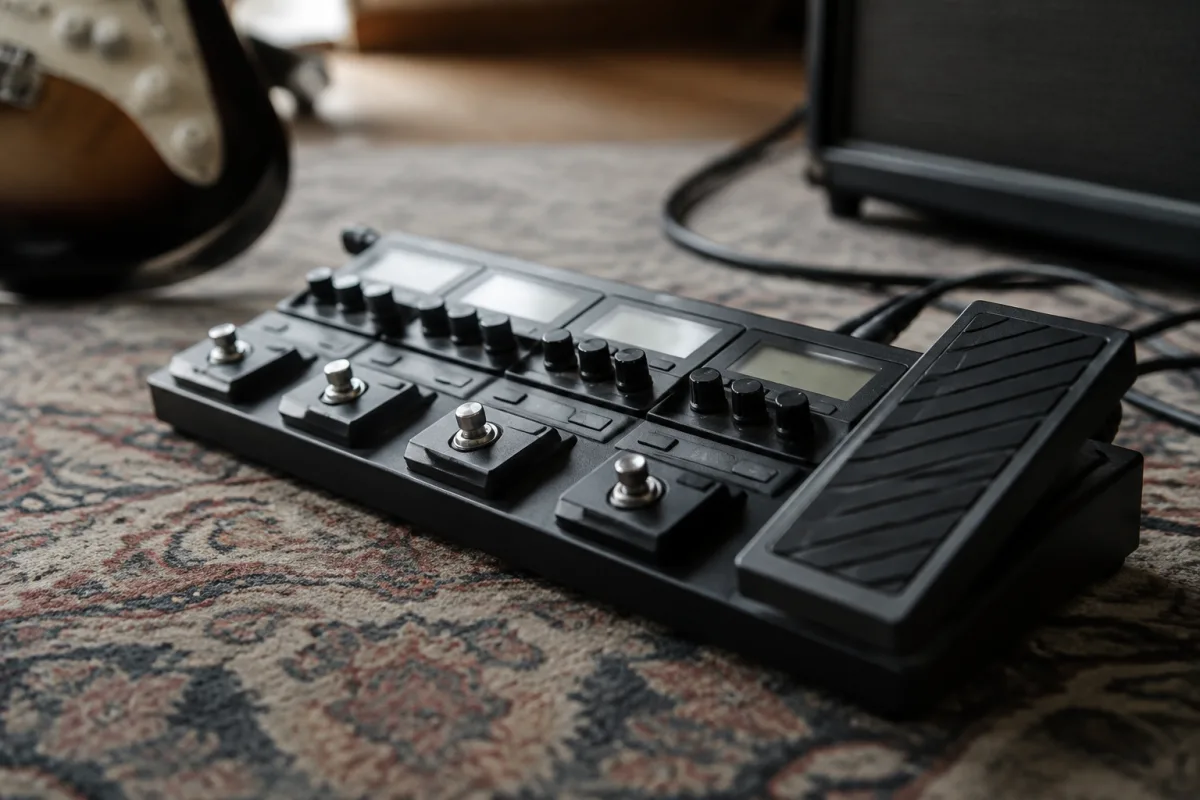
An effects processing unit combining dozens of guitar effects into a single, portable package. Whether you're a gigging musician, studio player, or bedroom experimenter, a Zoom multi effect pedal provides professional-quality sound processing at a fraction of the cost of traditional separate pedals.
What Is a Zoom Multi Effect Pedal?
This is a digital stompbox that houses numerous effects—distortion, reverb, delay, chorus, modulation, and many others—in one self-contained unit. Unlike traditional pedalboards that require multiple individual pedals, such a Zoom multi effect pedal lets you design complete effects chains on a single device. This approach offers flexibility, portability, and exceptional value for money.
These units are particularly popular because they're compact enough to fit in a gig bag yet powerful enough to handle professional recording and touring. They typically connect to your guitar, amplifier, or audio interface via standard quarter-inch cables and USB.
Key Features
Modern Zoom multi effect pedal units come equipped with impressive features:
- Extensive effects library: Typically 100+ effects including distortion, reverb, delay, chorus, flanger, phaser, tremolo, and more.
- Chain building: Arrange effects in any order to create custom signal chains tailored to your sound.
- Multiple footswitches: Dedicated switches for switching between presets, toggling effects on/off, and expression pedal control.
- Expression pedal: Built-in volume and effect parameter control without needing a separate expression pedal.
- Amp modelling: Simulations of classic amplifiers and cabinets for recording direct to DAW or interface.
- Looper function: Record and layer loops for practise and performance.
- USB connectivity: Connect to your computer for recording, editing presets, and firmware updates.
- Rugged construction: Sturdy metal chassis designed to withstand regular gigging.
Popular Zoom Multi Effect Pedal Models
Zoom offers several versions of their multi effect pedal units, each targeting different players and budgets:
| Model | Best For | Highlights |
|---|---|---|
| G1Xon / G1X Four | Beginners and home players | Compact size, solid effects, good value, limited switching |
| G3n / G3Xon | Intermediate gigging musicians | Larger touchscreen, more footswitches, advanced editing, excellent portability |
| G5n / G5Xon | Professional performers | Premium processing, extensive amp models, comprehensive footswitches, USB audio |
| Helix / Helix Native | Professionals and studios | Industry standard, unlimited scalability, full DAW integration |
Effects and Sound Quality
The sound quality is exceptionally high. Zoom's algorithms model the exact characteristics of classic effects and amplifiers, so when you enable reverb, it sounds like authentic spring, plate, or hall reverbs—not thin digital imitations.
The amp modelling is particularly impressive. Rather than running through a physical amplifier, many professional and touring musicians now record directly from these units into a mixing console or USB audio interface. The device can reproduce the tone of a vintage valve amplifier so convincingly that recording engineers often can't tell the difference from the real thing.
Portability and Gigging Advantages
For touring musicians, such units offer enormous practical advantages. A traditional pedalboard might weigh 15–20 kg and take up considerable space in a vehicle. A Zoom multi effect pedal, by comparison, weighs just 2–4 kg and fits easily in a gig bag alongside your guitar. Setup time is minimal—plug in your guitar, power supply, and audio cables, and you're ready to perform.
This integrated approach also eliminates the need to replace individual pedals when one fails. With all your effects in a single unit, maintenance and troubleshooting become simpler. Battery-powered models exist as well, though USB power banks provide convenient portability for longer gigs.
Customisation and Preset Management
One of the greatest strengths is the ability to save and recall custom presets instantly. You can programme different effect combinations for each song in your setlist, switching between them with a single footswitch press. These units typically store hundreds of presets—both manufacturer presets for inspiration and your own custom configurations.
Many models include editing software that runs on your computer, allowing you to design complex signal chains visually before transferring them to the device. This workflow is particularly useful in pre-production or when crafting sounds for studio recordings.
Recording and Studio Use
These units are equally valuable in the studio. The USB audio interface functionality means you can connect directly to your DAW without needing a separate audio interface. Record guitar directly through your custom effects chains, capturing everything from crunchy overdrive to spacious, ambient soundscapes.
The looper function is also excellent for self-recording and practise. Layer multiple takes of your guitar part to build full arrangements or rehearse with playback of your own rhythm sections.
Choosing the Right Model
Your choice depends on your playing context and budget. If you're learning guitar or practising at home, an entry-level model like the G1X Four offers tremendous value and 95% of the functionality a professional needs. For gigging musicians, mid-range options like the G3Xon provide the footswitches, screen size, and effects library that working players require. Professional touring musicians and studio engineers often invest in higher-end units for ultimate flexibility and processing power.
All such devices share excellent build quality, intuitive interfaces, and comprehensive effect libraries. The main differences are screen size, number of footswitches, advanced amp modelling depth, and processing power for complex chains.
Comparison with Traditional Pedalboards
Traditional pedalboards offer unlimited customisation—you can add any pedal you want—but they're expensive, heavy, and time-consuming to set up. This approach sacrifices only the ability to add brand-specific pedals from boutique makers; for 99% of playing situations, the built-in effects are superior and far more affordable than assembling an equivalent traditional rig.
Conclusion
A Zoom multi effect pedal represents the best value in guitar tone processing available today. Whether you're a bedroom player exploring different sounds or a touring professional needing reliability and versatility, it delivers studio-quality effects, amp modelling, and intuitive controls in a package that fits in your gig bag. The combination of portability, power, and price makes these units essential tools for modern guitarists.


Comments